Quick Answer
Byford is experiencing a notable increase in property demand as of 2026, attributed to its affordability and community focus. Investors can find key opportunities in emerging hotspots, particularly as infrastructure improves.
Key Takeaways
- Emerging growth potential, with identified hotspots like North Byford.
- Pros and cons must be weighed carefully; market volatility is a concern.
- Consider essential amenities and lifestyle factors when buying or renting.
Pros & Cons
Pros
- Affordable housing compared to surrounding suburbs.
- Strong community focus with ample amenities.
- Emerging infrastructure developments enhancing liveability.
Cons
- Potential for overdevelopment leading to market saturation.
- Increased commute times as the suburb grows.
- Market volatility influenced by local economic factors.
Suburb Snapshot
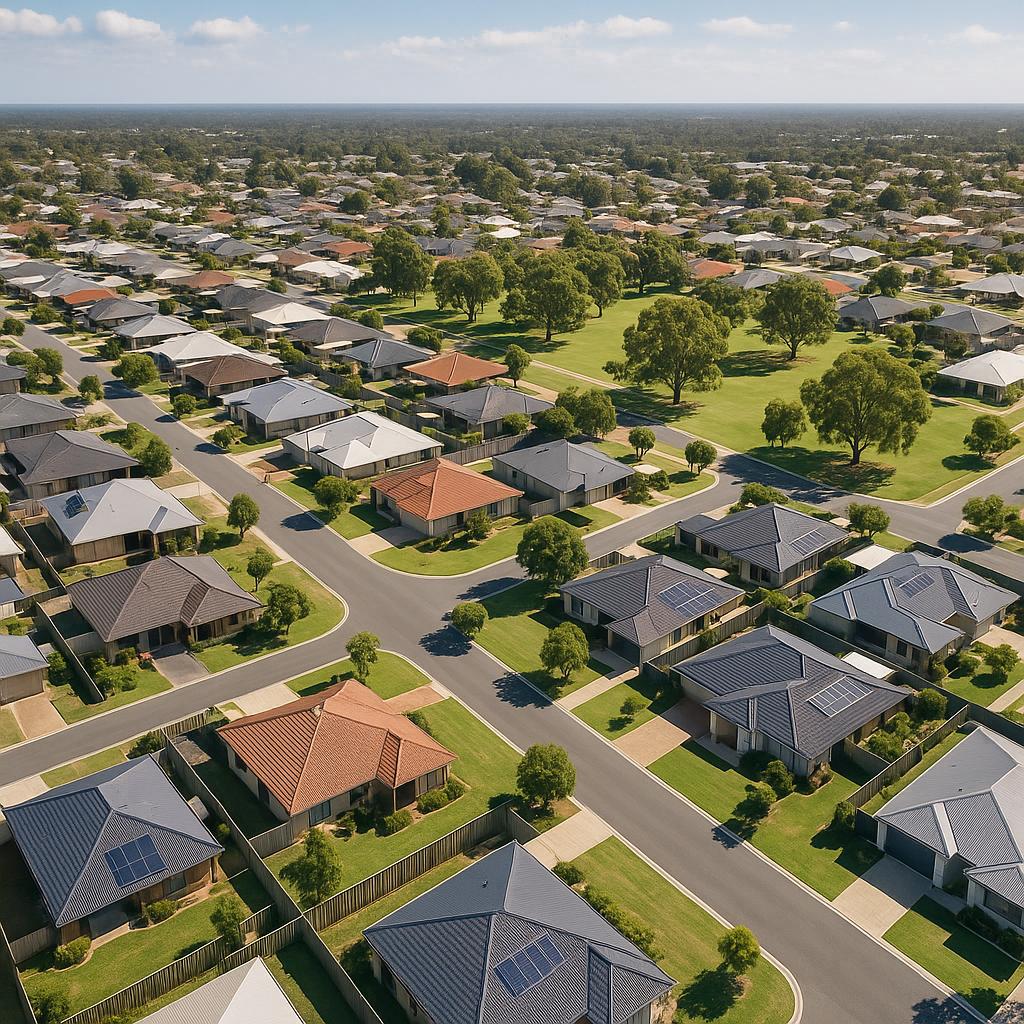
Byford is located in the City of Armadale, approximately 30 km from Perth’s CBD. It boasts a diverse demographic, with a growing population characterized by young families and professionals. Currently, single-family homes and townhouses predominate the real estate landscape, reflecting a suburban feel with ample green spaces.
Investor View
The historical property value trends in Byford have shown steady growth, influenced by population influx and local developments. Investors can expect reasonable returns, especially in newly developed sections like North Byford. A case study highlights an investor purchasing multiple units in a new complex, achieving yields upwards of 5%.
Homeowner View
Homebuyer sentiment indicates a strong preference for the vibrant community and family-friendly environment. Long-term liveability factors are enhanced by local amenities, schools, and parks, making it appealing for families. Local residents express satisfaction with community interactions and the availability of recreational activities.
Market Drivers
- Ongoing economic growth in Western Australia, enhancing local employment opportunities.
- Infrastructure projects like new schools and parks are slated to enhance community engagement.
- Local government incentives for development streamline processes for developers.
Cost of Living Breakdown
The cost of living in Byford is competitive; housing expenses are generally lower than in adjacent suburbs like Armadale and Cockburn. Utilities and grocery prices reflect regional averages. A family budgeting for monthly expenses might allocate around $3,500—including rent/mortgage, utilities, and discretionary spending.
Transport & Commute Details
Byford is serviced by Transperth bus routes, with connections to major employment hubs and Perth’s train network. Major roads include South Western Highway and Thomas Road, providing convenient access to Perth. Average commute times can range between 30 to 50 minutes depending on traffic.
Property Type Guide
- Single-family homes: Average lot sizes suitable for families, often with outdoor spaces.
- Townhouses: More affordable options attracting first-time buyers and downsizers.
- Land lots: New developments appealing to custom home builders.
Rental Market Insights
The rental market in Byford shows solid trends with average yields around 4-6% for investors. Tenant demographics include families and young professionals. A local landlord reported success renting a three-bedroom home, achieving above median rental prices due to community amenities.
Schools & Education
Byford offers a range of educational facilities, including primary schools and childcare centers. The presence of quality schools positively impacts property values; parents report satisfaction with academic programs and community involvement.
Lifestyle & Daily Life
Outdoor spaces like parklands and recreational facilities are abundant, fostering community engagement and healthy lifestyles. Local businesses, including cafes and markets, add to the suburb’s charm and support the community fabric, enhancing resident satisfaction.
Comparison with Nearby Suburbs
Compared to Armadale and Cockburn, Byford offers cheaper housing with similar amenities. Growth projections indicate that Byford will continue to attract residents due to its affordability and family-friendly atmosphere, making it a competitive alternative to these suburbs.
Future Growth & Development
Upcoming projects, including schools and retail spaces, signal continued community and economic growth. Property values are expected to rise as these enhancements materialize, making now a strategic time for investment.
Safety & Crime
Crime rates in Byford are generally perceived as low, with active community watch initiatives bolstering safety. Residents note a strong sense of security within the neighbourhood. For accurate statistics, consult local police reports and the WA Police website.
Who This Suburb Is Best For
Byford suits young families, professionals, and retirees seeking an affordable suburban lifestyle with community focus. Its amenities and growth potential make it appealing to a wide demographic.
Due Diligence Checklist
- Research local market trends through reputable real estate sites.
- Investigate planning and development regulations with the local council.
- Consider local amenities, schools, and transport options.
Red Flags & Watch-Outs
- Watch for signs of overdevelopment in high-demand areas.
- Keep an eye on broader market trends affecting WA property.
- Talk to local residents for firsthand experiences in the community.
FAQ
- What is the average property price in Byford? Prices vary widely; researching through real estate portals gives the best estimate.
- Are there upcoming infrastructure developments? Yes, local council announcements will provide updated information.
- What schools are highly rated in Byford? The Department of Education website is the best source for school ratings and information.
- How is the rental market performing? Rental yields are generally strong; consider conducting a recent rent analysis.
- Is Byford family-friendly? Yes, numerous amenities cater to families and community activities are plentiful.
- What transport options are available? Public transport includes buses linking to train stations, facilitating commutes.
Sources & how to verify
- Australian Bureau of Statistics
- Transport for WA
- City of Armadale Council
- Western Australia Department of Education
- Realestate.com.au
- RateMyAgent
- WA Police Crime Statistics
- OECD Regional Reports