Quick Answer
Pascoe Vale South is typically best suited to buyers who want an established inner-north Melbourne suburb with a residential feel, practical amenity access, and strong long-term liveability rather than a highly speculative play. It can appeal to owner-occupiers, upsizers, and investors who value broad tenant demand, transport convenience, and a mix of older homes and lower-maintenance options. The key is to compare micro-location, property type, and condition carefully, because value can vary meaningfully from street to street.
Key Takeaways
- Pascoe Vale South suits buyers seeking a settled, convenient suburb with everyday livability and a strong owner-occupier feel.
- Transport access, school proximity, and housing condition usually matter more than suburb name alone when assessing value.
- Investors should focus on low-maintenance, well-presented dwellings that align with broad renter demand and practical commuting needs.
- Older homes may offer character and land appeal, but they can also carry higher repair and renovation costs.
- The suburb is best approached with micro-location analysis, not broad assumptions about the entire postcode or nearby corridor.
Pros & Cons
Pros
- Established suburb character with a calm, residential feel
- Broad appeal to families, professionals, downsizers, and long-term owners
- Range of stock, including older homes, renovated dwellings, and easier-care options
Cons
- Quality stock can be tightly held and attract competitive interest
- Older homes may require inspections, upgrades, or ongoing maintenance
- Street-by-street differences can materially affect liveability and resale appeal
Market Overview
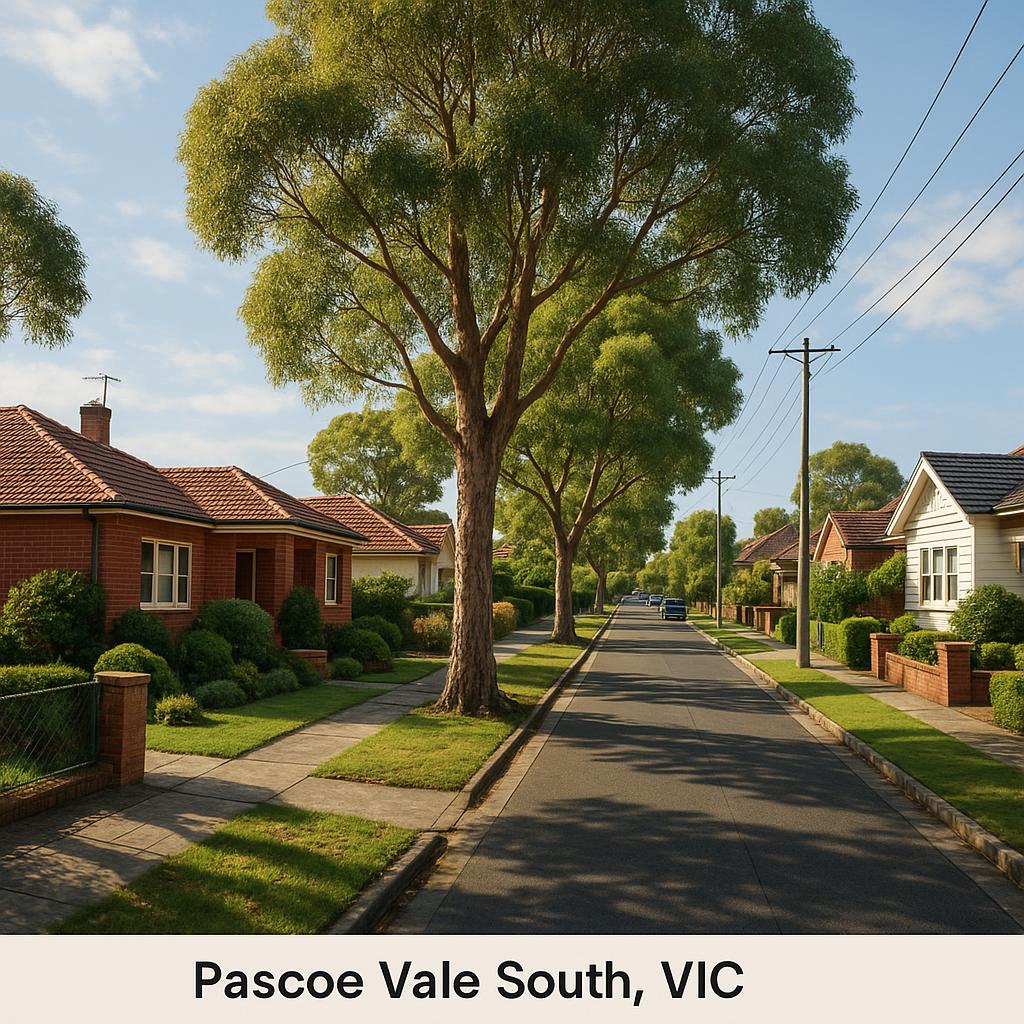
Pascoe Vale South is an established inner-northern Melbourne suburb with a mature streetscape, a largely residential character, and a market that tends to reward practical, well-located homes. It is the kind of suburb where buyers often compare not just suburb labels, but block size, renovation quality, and proximity to daily essentials.
For many households, the appeal is the balance between urban convenience and a more settled suburban environment. That can make it attractive to owner-occupiers who want to live in the home long term, while also giving investors a tenant base that often values access, comfort, and ease of living over novelty.
In this type of market, the property itself matters a great deal. A tidy, well-located unit may outperform a tired house in a weaker pocket, while a renovated family home on a good block can be highly sought after if it genuinely improves daily living.
Buyer Demand
Demand in Pascoe Vale South is usually driven by practical lifestyle needs: commute convenience, school routines, family space, and the desire for a suburb that feels established rather than transitional. That creates interest from first-home buyers, upsizers, downsizers, and investors with a medium- to long-term horizon.
Properties that are well maintained and easy to live in tend to attract the strongest attention. In buyer competition, presentation, layout function, and parking often matter as much as bedroom count. For homes needing renovation, buyers are more likely to proceed when the underlying location is strong and the improvement path is clear.
Rental Market
The rental story is usually anchored by convenience and usability. Pascoe Vale South can appeal to professionals, couples, and small families who want access to work, transport, and everyday amenity without moving into a denser or more expensive inner-city setting.
For investors, the strongest rental candidates are typically dwellings that are neat, functional, and low-fuss to maintain. A well-presented unit or compact home may widen tenant appeal, while a larger older house can work if the layout, upkeep, and location all support the asking rent and reduce vacancy risk.
Lifestyle, Transport & Schools
The lifestyle appeal is straightforward: established streets, local services nearby, and a generally lived-in suburban feel. That suits buyers who want day-to-day convenience, not just a prestige address. It also means amenity is often experienced through surrounding pockets, so comparing walkability and local access is important.
Transport access is a key decision factor for both buyers and renters. Even without relying on a single route or station, the suburb’s position in Melbourne’s north makes commute planning important. Buyers should test peak-hour travel times in person, while investors should think about how transport proximity broadens the tenant pool.
School access can also influence demand, especially for family buyers planning around routines and enrolment zones. Always verify current zoning, catchment boundaries, and enrolment requirements directly with official education sources, because these can change and may materially affect buyer competition.
Pascoe Vale South Suburb Profile
Official 2021 Census snapshot for the ABS Suburbs and Localities geography.
Age profile
Housing tenure
Occupied private dwellings by tenure type.
Salary & income profile
Median total income reported in the Census.
*Annual figures are weekly median × 52 estimates, not separate ABS annual medians.
Education & qualifications
Highest educational attainment, people aged 15+.
Employment status
People aged 15+ who reported being in the labour force.
Industry of employment
Top responses among employed people aged 15 years and over.
Occupation profile
Broad occupation groups among employed residents, including managers.
Property Type Guide
- Houses: Best for buyers wanting space, outdoor usability, and long-term family occupancy; inspect for maintenance needs, extensions, and block practicality.
- Units: Often suited to first-home buyers, downsizers, and investors seeking lower upkeep; assess body corporate details and privacy carefully.
- Renovated stock: Offers move-in convenience and broad appeal, but the price usually reflects that convenience.
- Original homes: Can provide value-add potential, but only if the renovation budget, building condition, and layout all stack up.
- Low-maintenance dwellings: Useful for investors wanting simpler management and a wider renter pool, provided the location is still strong.
Risks & Watch-Outs
- Do not rely on suburb reputation alone; micro-location, street noise, and parking can materially change buyer and tenant interest.
- Older housing stock may hide expensive issues, so thorough building and pest inspections are essential before committing.
- Cosmetic renovations can look impressive while masking poor layout, low-quality materials, or deferred maintenance.
- Investors should be wary of niche properties that are harder to lease, insure, or maintain over time.
- Resale value is often improved by functional layouts, good light, and sensible access rather than flashy finishes alone.
Nearby Suburbs to Compare
- Pascoe Vale
- Coburg North
- Essendon West
- Ascot Vale
- Oak Park
- Glenroy
FAQ
Is Pascoe Vale South good for first-home buyers?
It can be, especially for buyers who want an established suburb with access to transport, schools, and everyday amenity. The main question is whether your budget suits the property type you want, because renovated homes and well-located stock can attract strong competition.
Is Pascoe Vale South more attractive to buyers or investors?
It has genuine appeal for both, but for different reasons. Buyers often value the residential feel and family-friendly practicality, while investors tend to focus on broad tenant demand, low-maintenance dwellings, and the suburb’s overall convenience for commuting and daily living.
What property type is usually the safest choice here?
There is no universal best option, but well-presented, functional homes usually carry the broadest appeal. For investors, lower-maintenance units or tidy dwellings can be simpler to hold. For owner-occupiers, a house with usable space may better support long-term liveability.
How important are schools and transport in this suburb?
Very important. In established Melbourne suburbs, these two factors often shape both buyer urgency and rental demand. Families want routine convenience, and tenants often prefer a commute-friendly location. Always check current school zones and local transport options before buying.
What should I inspect before buying in Pascoe Vale South?
Focus on the building condition, layout practicality, street exposure, parking, and renovation quality. It is also wise to assess nearby amenity, traffic patterns, and future resale appeal. In older stock, a thorough inspection can save you from expensive surprises later.
Conclusion
Pascoe Vale South is best viewed as a practical inner-north suburb with steady lifestyle appeal rather than a headline-chasing market. It can work well for buyers who value liveability and for investors who want broad tenant interest and manageable holding risk. The smartest approach is to compare property type, street quality, and condition carefully before making a move.
Sources & how to verify
- Check current sold results and active listings on Domain to confirm asking prices, recent sales, and how quickly similar homes are moving.
- Review comparable listings on realestate.com.au so you can compare property type, finish level, and likely competition in real time.
- Use ABS data to understand broad demographic trends, but do not treat older census figures as current market pricing evidence.
- Check transport and service access on Public Transport Victoria to verify routes, timetables, and whether commute convenience suits your daily needs.
- Confirm school zones and enrolment details through Find My School before assuming a property falls within a preferred catchment.
- Review planning controls and development context on City of Moonee Valley and the Victorian planning system so you can identify overlays or future change risk.
- Inspect the street at different times of day and week, because traffic, parking pressure, and noise can change the practical desirability of a specific property.