Quick Answer
- Upgrade demand increasing in Carnegie
- Retail precincts and local hubs driving attractiveness
- Mixed-use developments enhancing lifestyle appeal
Key Takeaways
- Carnegie’s growing popularity among investors and homeowners
- Strategic location near amenities and transport
- Diverse demographic with a blend of young professionals and families
Pros & Cons
Pros
- Strong community feel
- Robust retail and dining options
- Proximity to transport links like train stations
Cons
- Rising property prices can be a barrier for first-time buyers
- Potential for overdevelopment in certain areas
Suburb Snapshot
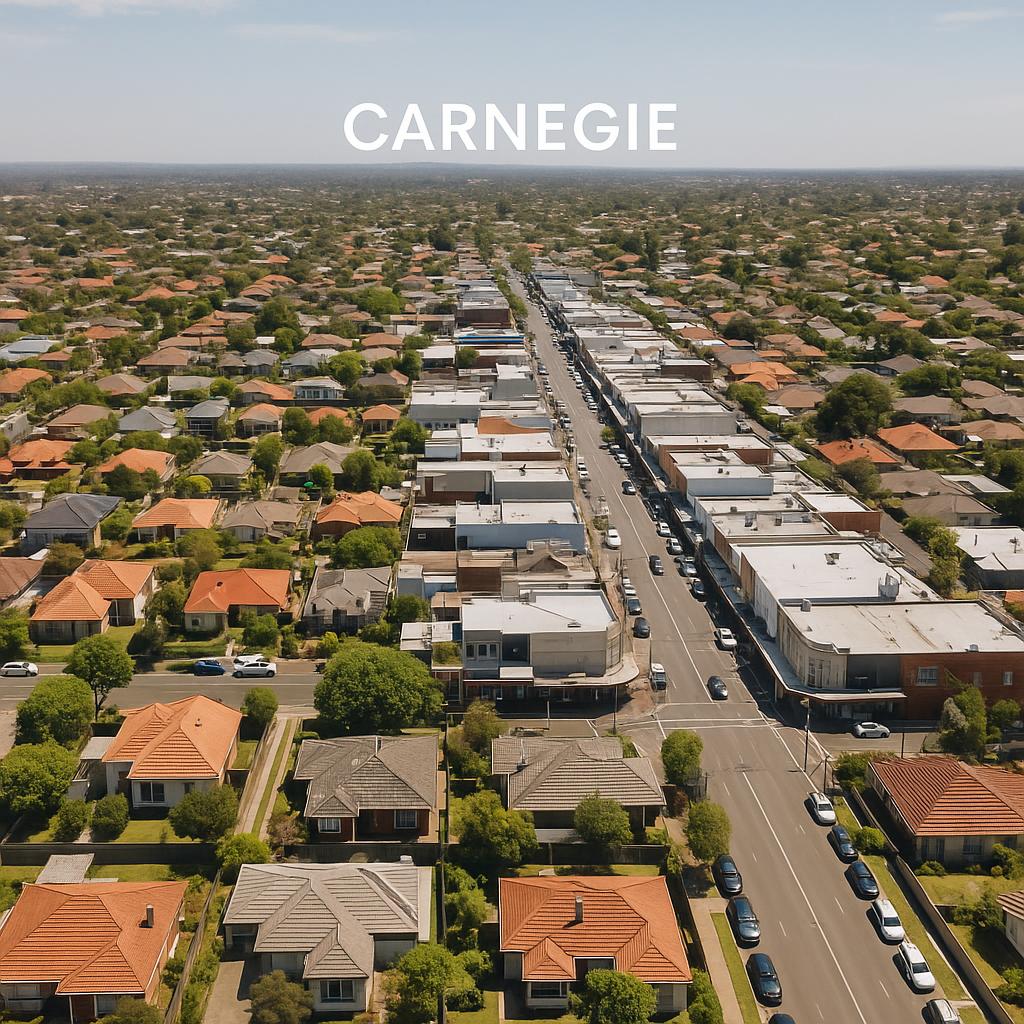
Carnegie, situated approximately 12 km southeast of Melbourne’s CBD, has emerged as a vibrant suburb characterized by its diverse community and a burgeoning lifestyle appeal. The suburb is home to a mix of young professionals, families, and retirees, contributing to a dynamic demographic landscape. Key infrastructure includes the Carnegie train station, which provides convenient access to the city, alongside a variety of retail and dining options concentrated in the busy Koornang Road precinct.
Historically, Carnegie has undergone significant development due to its proximity to the city and growing amenities. Recent upgrades to local parks, residential developments, and a focus on sustainability have further enhanced its attractiveness.
Investor View
Carnegie presents a compelling case for property investors, evidenced by the strong rental demand and potential yield opportunities in the area. According to regional property insights, potential yields can vary widely but are often reported as competitive compared to surrounding suburbs such as Glen Huntly and Ormond.
Examples of successful investments in Carnegie include units and townhouses that have benefited from local amenities and transport accessibility. A notable trend is the renovation of older properties, which can lead to significant value appreciation. Investors should conduct thorough research and consider the historical performance of similar properties to identify valuable opportunities.
Homeowner View
For homeowners, Carnegie offers several lifestyle advantages, notably its community-oriented environment and access to green spaces such as the Carnegie Memorial Park. Many new buyers are attracted to the suburb due to its family-friendly nature, proximity to quality schools, and a thriving local arts scene.
Recent buyers report positive experiences, highlighting the community spirit and neighborhood events that foster connections. The suburb is also seeing shifts in demographics, with younger families investing in the area, eager to settle down and create a home amidst an enhancing lifestyle backdrop.
Market Drivers
Key drivers for Carnegie’s property market include strong economic growth within the region and a steady influx of population due to Melbourne’s expanding job market. Migration patterns showcase an increased interest from interstate buyers, particularly younger demographics seeking modern living options.
Additionally, ongoing development projects in the area, such as mixed-use precincts aiming to improve the local economy and lifestyle offerings, reinforce Carnegie’s growth potential. Investors should keep an eye on these developments when assessing long-term prospects.
Due Diligence Checklist
- Research local demographics and socio-economic profiles.
- Evaluate property types (units vs. houses) based on market demands.
- Consult recent market trends and reports from reliable sources.
- Compare investment potential in different neighborhood sections.
- Assess proximity to amenities such as transport, schools, and parks.
Red Flags & Watch-outs
- Overpriced properties in high-demand areas can deter potential buyers.
- Watch for indications of local traffic congestion and its impact on lifestyle.
- Evaluate the track record of developers in new projects to mitigate risk.
FAQ
- What is the average rental yield in Carnegie? Rental yields in Carnegie can fluctuate based on specific property types, typically ranging between competitive levels compared to adjacent suburbs.
- How are schools and education systems in the area? Carnegie has access to several reputable public and private schools, catering to families in the suburb.
- What public transport options are available? The Carnegie train station provides efficient access to Melbourne’s CBD and surrounding areas, complemented by bus services.
- What are the local amenities? Carnegie boasts diverse retail options, a vibrant dining scene, and community facilities, including parks and recreation areas.
- How does the suburb’s historical context impact property values? Understanding Carnegie’s historical development trends can provide insights into potential future value fluctuations.
Conclusion
Carnegie stands out as a suburb where lifestyle meets investment opportunity. With its strong community feel, growth in retail precincts, and promising development trends, both investors and homeowners have ample reasons to explore property options in this vibrant locale.
Sources & how to verify
- Australian Bureau of Statistics – for demographic insights.
- Real Estate Australia – for property market trends.
- Victorian Government – for local development projects.
- Yarra Bend Trees – for green initiatives in the area.
- Transport Victoria – for public transport information.