Quick Answer
The Sorell property market presents a balanced mix of affordability and lifestyle appeal. With a number of investment opportunities in both residential and commercial properties, Sorell is a versatile option for both first-time homeowners and seasoned investors. Its proximity to Hobart offers connectivity without sacrificing the charm of community living.
Key Takeaways
- Market stability with potential growth driven by infrastructure and population increase.
- Ideal for investors willing to explore both established homes and new developments.
- Strong community feel enhances the lifestyle benefits, particularly for families.
Pros & Cons
Pros
- Affordable property options compared to metropolitan areas.
- Close proximity to Hobart, enhancing commute convenience.
- A family-friendly environment with ample community amenities.
Cons
- Limited public transport options compared to urban centres.
- Susceptible to market fluctuations due to seasonal demand variations.
- Potential for slower growth in certain market segments.
Suburb Snapshot
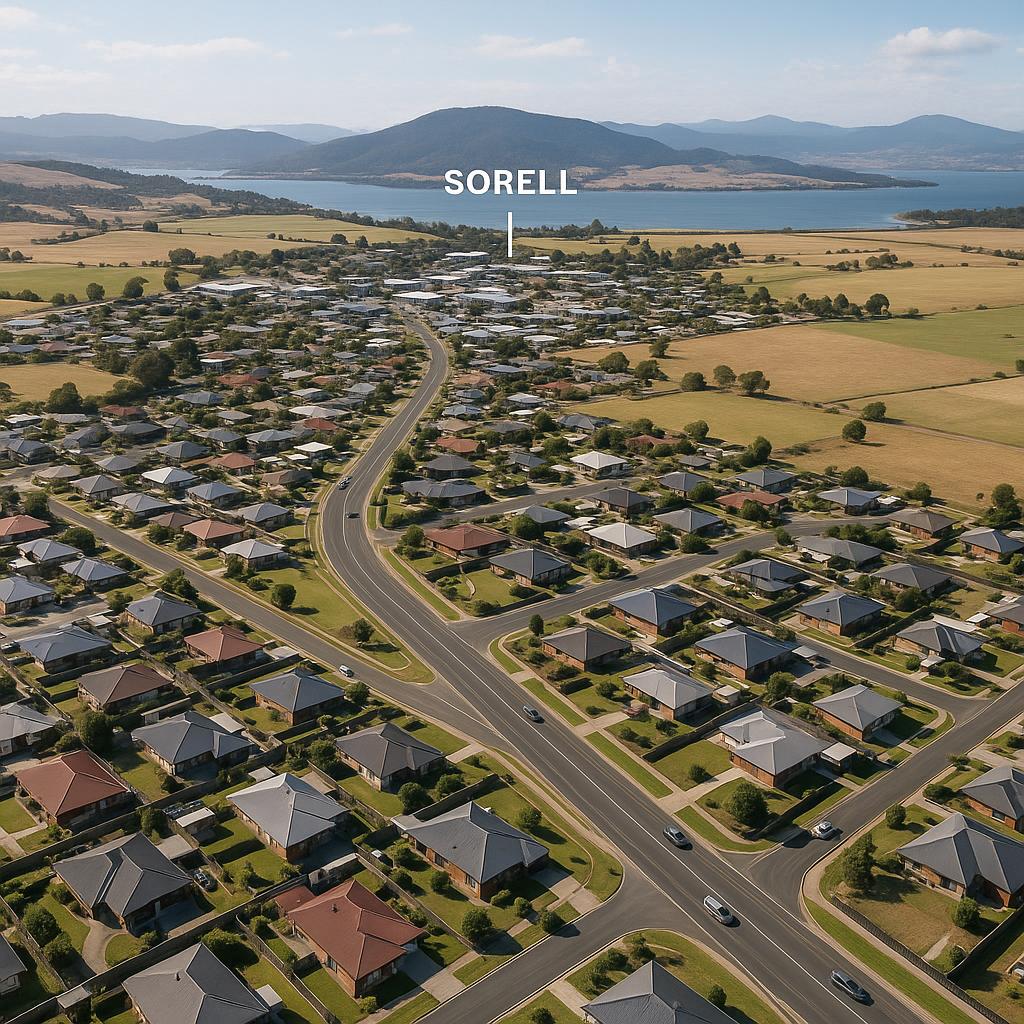
Sorell is located approximately 23 km east of Hobart, serving as a gateway to the picturesque South East Tasmania. Historically a farming community, it has evolved into a bustling residential suburb with amenities suited to a growing population. As of the latest trends, Sorell has a population of around 5,000, with a diverse demographic that includes families, retirees, and young professionals.
Investor View
Investors can expect a yield range typically between 4% to 6%. Sorell’s property market includes older homes ripe for renovation and new developments appealing to first-time buyers. Potential cash flow scenarios are positive, especially as demand increases in line with infrastructure improvements.
Homeowner View
For homeowners, Sorell offers spacious family homes and a community-oriented atmosphere. Essential amenities such as parks, schools, and shopping facilities are within reach, making it an appealing choice for young families.
Market Drivers
Several key factors drive Sorell’s market stability. Economic influences from local industries, like agriculture and tourism, combined with a notable increase in population, create demand for housing. Ongoing infrastructure developments, including road improvements and community facilities, further enhance its investment allure.
Cost of Living Breakdown
Sorell’s cost of living is relatively affordable compared to Hobart. Housing costs, while variable, are generally lower than in major capitals. Utilities, groceries, and general expenses typically reflect Tasmania’s overall affordability, which hovers around 10-15% lower than national averages.
Transport & Commute
Public transport options in Sorell include bus services that connect to Hobart, albeit with limited frequency. Major roads like the Tasman Highway provide direct routes to the city, making commuting feasible with average travel times of approximately 25-30 minutes.
Property Type Guide
The Sorell property market features a mix of houses, apartments, and townhouses. Typical properties range from three-bedroom family homes to modern units designed for lower-maintenance living. Recent trends indicate a growing demand for properties with sustainable features and those closer to community hubs.
Rental Market Insights
The rental market in Sorell has seen increased demand, with vacancy rates generally lower than state averages. The average rental yield currently stands around 4% to 5%, attracting a range of tenants from families looking for stability to young professionals seeking affordable accommodation.
Schools & Education
Sorell has a range of educational options, including primary and secondary schools, all known for a community-focused learning environment. The proximity to Hobart also allows access to several prominent educational institutions, enhancing the suburb’s appeal to families.
Lifestyle & Daily Life
The lifestyle in Sorell includes access to parks, and recreational facilities, alongside shopping options that cater to everyday needs. The local community hosts events throughout the year, creating a vibrant atmosphere for residents.
Comparison with Nearby Suburbs
Compared to neighboring suburbs like Richmond and Cambridge, Sorell offers more affordability while maintaining a strong community vibe. However, it’s essential to consider that areas like Richmond have a higher heritage appeal, which may attract different demographic segments.
Future Growth & Development
Anticipated future developments in Sorell include residential projects and infrastructure upgrades, aimed at supporting a growing population. Monitoring local council initiatives can provide insights into upcoming growth trends.
Safety & Crime
While Sorell is largely considered a safe community, it’s prudent to consult official resources such as local police reports for comprehensive crime statistics. Overall, crime rates remain generally lower than the state averages.
Who This Suburb Is Best For
Sorell suits a variety of residents, particularly families seeking community-orientated living, retirees looking for a quieter lifestyle, and investors interested in affordable property opportunities. Testimonials from current residents often highlight the friendly atmosphere and practicality of everyday living.
Due Diligence Checklist
- Research strategic growth plans from local council.
- Verify property history using reputable real estate platforms.
- Assess access to schools and health services.
- Investigate insurance rates relevant to property type.
- Evaluate potential for capital growth by checking past sales data.
Red Flags & Watch-Outs
- Watch for high vacancy rates in rental properties, signaling potential oversupply.
- Monitor fluctuations in market prices indicative of speculative buying.
- Stay informed about local community developments that might impact property values.
FAQ
- What is the average property price in Sorell?
Though data can fluctuate, expect a range from $400,000 to $600,000 for average family homes. - How has the market changed in the last 5 years?
Sorell has shown steady growth with increased interest from first-time buyers. - What amenities does Sorell offer for families?
Local parks, recreational facilities, shopping centres, and schools are readily available. - Is public transport reliable in Sorell?
While limited, bus services connect Sorell to surrounding areas and Hobart. - What types of investment opportunities exist in Sorell?
Investors can find single-family homes, multi-unit developments, and land for new projects. - Is Sorell a safe place to live?
Overall, Sorell is considered safe, but it’s wise to review crime statistics from local resources.
Sources & how to verify
- Australian Bureau of Statistics – For population data and demographics.
- realestate.com.au – For property listings and sales data.
- Tasmania Planning Authority – For zoning and development plans.
- Tasmanian Department of Education – For educational resources and school performance data.
- Live Tasmania – Community and lifestyle information.
- Tasmania Police – For crime statistics and safety tips.
- Department of State Growth – For transport services and infrastructure updates.
- Sorell Council – For local government initiatives and programs.