Quick Answer
The Kingston property market is showing resilience, with trends indicating gradual price increases and stable rental yields. Key investment opportunities for 2026 include residential properties in proximity to amenities and natural attractions.
Key Takeaways
- Rise in property values indicating a strong market.
- Attractive for both investors and homeowners.
- Key amenities and lifestyle factors influencing demand.
Pros & Cons
- Pros:
- Strong community vibe.
- Access to amenities and nature.
- Cons:
- Potential market volatility.
- Limited property types available.
Suburb snapshot
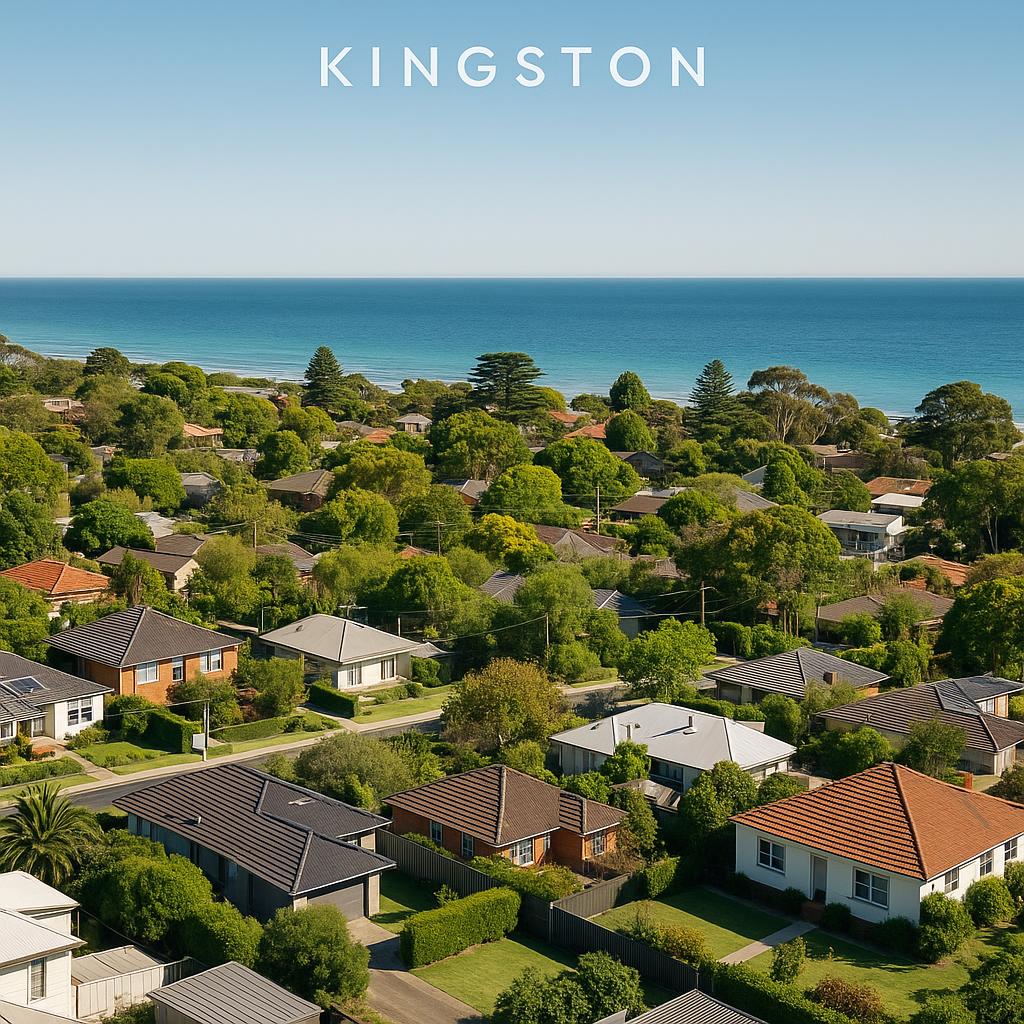
Kingston is a coastal suburb located approximately 12 km south of Hobart, Tasmania. Its diverse demographic includes families, retirees, and young professionals. Historically, Kingston has experienced steady price growth, with current market dynamics suggesting continued interest from buyers and renters.
Investor view
For investors, Kingston offers opportunities through rental properties near key amenities like schools and parks. A case study example shows a modest three-bedroom house bought at a competitive price, which successfully maintained low vacancy rates due to its desirable location.
Homeowner view
The lifestyle in Kingston is appealing, with access to local parks, beaches, and cafes. Current homeowners express satisfaction with a strong sense of community and family-friendly activities, making it an attractive suburb for long-term living.
Market drivers
Key factors driving property values in Kingston include:
- Economic growth in Tasmania creating new employment opportunities.
- Increased demand from interstate buyers relocating from cities like Sydney and Melbourne.
Analyses show a consistent pattern of demand outpacing supply, contributing to upward pressure on prices.
Cost of Living Breakdown
The overall cost of living in Kingston includes housing, food, and utilities. Housing costs generally range from $400 to $500 per week for rentals, with utility expenses averaging around $200 monthly. Compared to other suburbs in Tasmania, Kingston remains reasonable yet offers higher demand due to its location.
Transport & commute
Kingston is well-served by public transport, with regular bus services linking residents to Hobart and surrounding areas. Commute times to Hobart typically range from 20 to 30 minutes, making it convenient for professionals traveling to the city.
Property type guide
Various property types are available in Kingston, including:
- Houses: Popular among families; spacious with gardens.
- Apartments: Ideal for singles and investors; lower maintenance, often closer to amenities.
- Townhouses: A balance between house and apartment living; often popular for downsizers.
Each type has its pros and cons, depending on lifestyle preferences and investment strategies.
Rental market insights
Current rental market trends in Kingston reflect a stable environment with average rental prices ranging from $400 to $600 per week. Yields are generally considered strong, especially for properties located near public transport and schools.
Schools & education
Kingston has several educational options, including primary and secondary schools. The quality of schools can significantly impact property values, with stronger school performances often correlating with higher demand from families.
Lifestyle & daily life
The community in Kingston boasts numerous amenities such as parks, shopping centres, and dining options. Local events and a sense of community contribute to a vibrant daily life for residents.
Comparison with nearby suburbs
When compared to nearby suburbs like Blackmans Bay and Sandy Bay, Kingston offers a balanced mix of accessibility and affordability. Key differentiators include community feel and local amenities that attract families and retirees.
Future growth & development
Anticipated infrastructure projects, including enhancements to local amenities and public transport, could further spur growth. Projections suggest that Kingston will remain a desirable location for homebuyers and renters alike over the next five years.
Safety & crime
Kingston generally holds a positive safety perception, although it is advisable to review crime statistics from local authorities. Resources such as Crime Statistics Agency provide detailed insights. Local initiatives also promote community safety.
Who this suburb suits
Kingston is ideal for families, retirees, and young professionals looking for a communal atmosphere alongside access to urban amenities. Its versatile property types accommodate diverse demographics effectively.
Due diligence checklist
- Verify property valuations through recent sales data.
- Explore rental yield reports and trends.
- Research local amenities and transport options.
- Check school performance ratings and community feedback.
- Identify any existing development plans and their potential impact.
Red flags & watch-outs
- High vacancy rates in certain areas may indicate overdevelopment.
- Keep an eye on market fluctuations and interest rates.
- Be cautious of variable rental income in seasonal areas.
FAQ
- How has Kingston’s property market changed recently?
Kingston has experienced gradual price increases, with sustained demand from both buyers and renters bolstered by its amenities.
- What are the expected rental yields in Kingston?
Yields typically range from 4% to 6%, depending on property type and location within the suburb.
- Is Kingston safe to live in?
Generally, Kingston is considered safe; however, always refer to official crime statistics for the most recent data.
- What amenities are available in Kingston?
Kingston offers parks, shopping centres, dining options, and recreational facilities, enhancing daily life for residents.
- How does Kingston compare to surrounding suburbs?
Compared to Blackmans Bay and Sandy Bay, Kingston strikes a balance between affordability and community vibe.
- What are the main attractions near Kingston?
Natural attractions, such as beaches and parks, along with cultural venues and community events, enrich life in Kingston.
Sources & how to verify
- Australian Bureau of Statistics
- Real Estate Australia
- Crime Statistics Agency
- Transport Tasmania
- Tasmanian Government Official Site
Internal Link Suggestions
- Burnie Property Market & Investment Guide 2026, Tasmania
- Devonport Property Market & Investment Guide 2026, Tasmania
- Launceston Property Market & Investment Guide 2026, Tasmania
- Hobart Property Market & Investment Guide 2026