Quick Answer
George Town in Tasmania presents a promising property market for both investors and homeowners, with potential growth driven by affordability, community appeal, and ongoing development. Investors should note the unique blend of coastal lifestyle and increasing buyer interest, alongside the challenges of limited local employment opportunities.
Key Takeaways
- Current trends indicate a stable increase in property values, influenced by the area’s scenic attractions.
- Investment potential remains robust, particularly for rental properties, though caution is advised regarding market volatility.
- Investors should stay informed about local infrastructure developments which could affect property desirability.
Pros & Cons
Pros
- Scenic coastal views and a close-knit community vibe.
- Growing interest from retirees and investors seeking affordable options.
- Significantly lower property prices compared to larger Tasmanian cities.
Cons
- Limited job opportunities could affect long-term residency.
- Infrastructure development may not keep pace with property demand.
- Market volatility poses risks for short-term investors.
Suburb snapshot
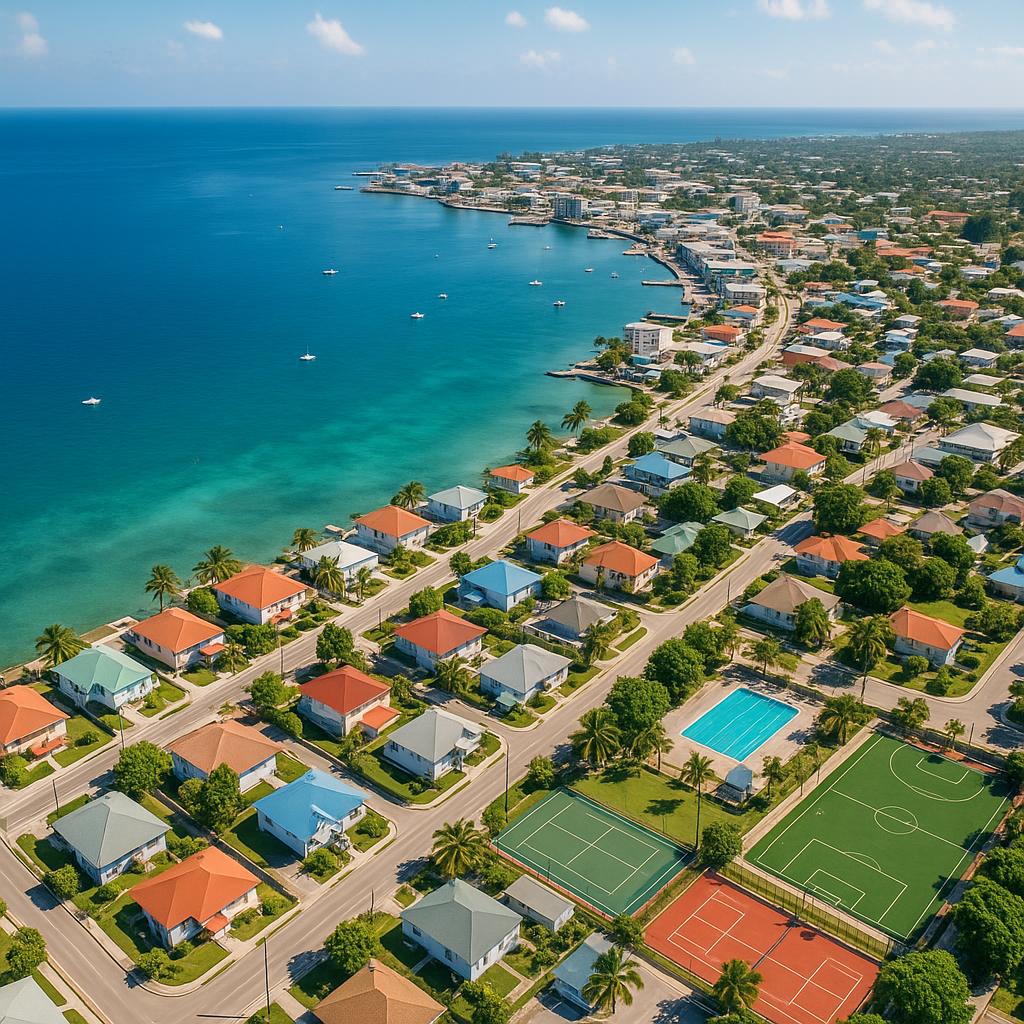
George Town, established in the early 19th century, is located on the north coast of Tasmania, approximately 40 km from Launceston. The suburb boasts a rich maritime history and has become a hub for tourism, connecting visitors to attractions like the nearby Bell Bay and Low Head Lighthouse.
Key demographics reflect a population that is a mix of families, retirees, and professionals. Local amenities include parks, shopping establishments, and recreational facilities, enhancing the overall appeal for both residents and investors.
Investor view
George Town’s property market is increasingly catching the attention of investors. Opportunities exist in both residential and short-term rental markets due to its tourism potential. For instance, properties near the waterfront have shown favorable appreciation in value.
Successful case studies highlight investments in both single-family homes and units that yielded significant rental returns, especially during peak tourist seasons.
Homeowner view
Homeowners in George Town can choose from various property types, including freestanding houses and modern apartments. The suburb’s community-oriented lifestyle benefits families and retirees alike, providing a tranquil atmosphere yet close to essential services.
Long-term residents cite affordable living and the calm environment as significant advantages.
Market drivers
The primary factors driving property interest in George Town include:
- A growing local economy with emerging tourism opportunities.
- Increased infrastructure investment, albeit gradual.
- The rising appeal of coastal living as more Australians relocate from urban centers.
Cost of Living Breakdown
George Town offers a competitive cost of living, significantly lower than major Tasmanian cities. Housing expenses typically range from moderate to low, making it attractive for prospective homeowners.
Utilities and amenities average out at around $300 per month, depending on usage, with similar trends in nearby suburbs like Devonport and Launceston.
Transport & Commute Details
The suburb is accessible via major highway connections and public transport services that connect residents to Launceston and nearby community hubs. Average commuting times to Launceston are approximately 30-40 minutes by car, making it feasible for daily travel.
Recent improvements in public transit options have aimed to enhance commuter convenience.
Property type guide
| Property Type | Description | Investment Potential |
|---|---|---|
| Freestanding Homes | Commonly found with land approx. 600-800 sqm. | Strong growth potential with increasing families moving to the area. |
| Units/Apartments | Available near the waterfront or town center. | Good for short-term rental yields due to tourist influx. |
| Vacant Land | Opportunities for new builds in less developed areas. | Long-term investment with potential for higher returns. |
Rental Market Insights
Rental demand in George Town remains steady, with vacancy rates averaging around 3-4%. Historical data shows resilience against market fluctuations, indicating stable rental income potential.
Examples of successful investments include properties in sought-after locations near the coast that yield high occupancy rates during vacation periods.
Schools & Education
George Town hosts several primary and secondary educational institutions, catering to families planning to relocate. Community sentiment towards local schools is largely positive, highlighting a supportive environment for children’s education.
Parents often emphasize educational quality in their housing decisions.
Lifestyle & Daily Life
The lifestyle in George Town features various community activities including markets, sporting events, and local festivals. Dining options range from cafes to waterfront eateries, enhancing daily living experiences.
Outdoor recreational opportunities abound in parks and near coastal areas, appealing to nature lovers and families alike.
Comparison with Nearby Suburbs
In comparison to suburbs like Launceston and Devonport, George Town offers lower property prices but may lack some urban amenities. However, its coastal charm and community focus make it a compelling choice for those seeking a quieter lifestyle with growth potential.
Future Growth & Development
George Town is expected to benefit from ongoing infrastructural developments, including community facilities and potential commercial projects. Predictions suggest steady property growth over the next five years as outside investment continues to filter into the area.
Safety & Crime
Overall, George Town is considered a safe suburb with ongoing community efforts to enhance security. Residents report low crime rates, supported by local police initiatives and community engagement.
For updated crime statistics, check resources like the Tasmania Police website or local council publications.
Who This Area Is Best For
George Town is ideal for retirees seeking a quieter lifestyle, families looking for affordable living, and investors interested in capitalizing on emerging opportunities. The community’s welcoming culture caters to diverse demographics.
Due Diligence Checklist
- Research local market trends and sales data.
- Inspect properties thoroughly before purchasing.
- Learn about community regulations and amenities.
- Engage local real estate experts for insights.
- Verify zoning laws applicable to properties.
Red Flags & Watch-Outs
- Be cautious of properties listed for extended periods, which may indicate issues.
- Monitor for areas with sudden price fluctuations.
- Check for planned developments that could impact your investment.
FAQ
- What are the average house prices in George Town? Verify with local listings on platforms like realestate.com.au.
- How is the rental demand in the area? Local property managers can provide insights on current occupancy rates.
- Are there new developments planned for George Town? Visit the local council’s website for updates on zoning and planned infrastructure.
- Is George Town a good place for families? Yes, it has family-friendly amenities and schools.
- What are the transport options available? Public transport connects to Launceston, with bus services regularly available.
Sources & how to verify
- Australian Bureau of Statistics
- Realestate.com.au
- Tasmania Police
- George Town Council
- Tasmanian Housing
- Transport Tasmania
- Tasmanian Department of Education
- Discover Tasmania