Quick Answer
Salisbury is a practical northern Adelaide suburb that tends to suit buyers who want affordability, everyday convenience, and a broad mix of housing options rather than prestige positioning. For investors, its appeal usually comes from transport access, tenant breadth, and the ability to target functional, easy-to-rent dwellings. For homeowners, it can work well if you value service access and are prepared to compare streets carefully. The key is micro-location: in Salisbury, condition, noise, and surrounding uses can matter as much as the suburb name.
Key Takeaways
- Salisbury is best understood as a value-focused suburb where practical housing and daily convenience often matter more than lifestyle branding.
- Its buyer pool is usually broad, with first-home buyers, investors, families, and some downsizers all finding different entry points.
- Transport access and everyday services help support demand, especially for households that want simple commuting and routine-friendly living.
- Property quality varies street by street, so buyers should assess building condition, noise exposure, and surrounding land uses closely.
- For investors, the strongest strategy is usually functional: choose properties that are easy to maintain, easy to lease, and easy to live in.
Pros & Cons
Pros
- Relative affordability compared with many inner and middle-ring Adelaide suburbs.
- Useful public transport and arterial road access for commuters.
- Broad appeal to tenants and owner-occupiers across different life stages.
Cons
- Some pockets need closer due diligence on streetscape, condition, and surrounding uses.
- Noise and traffic can be a factor near busier corridors and transport nodes.
- Older dwellings may need more maintenance than buyers expect at first glance.
Market Overview
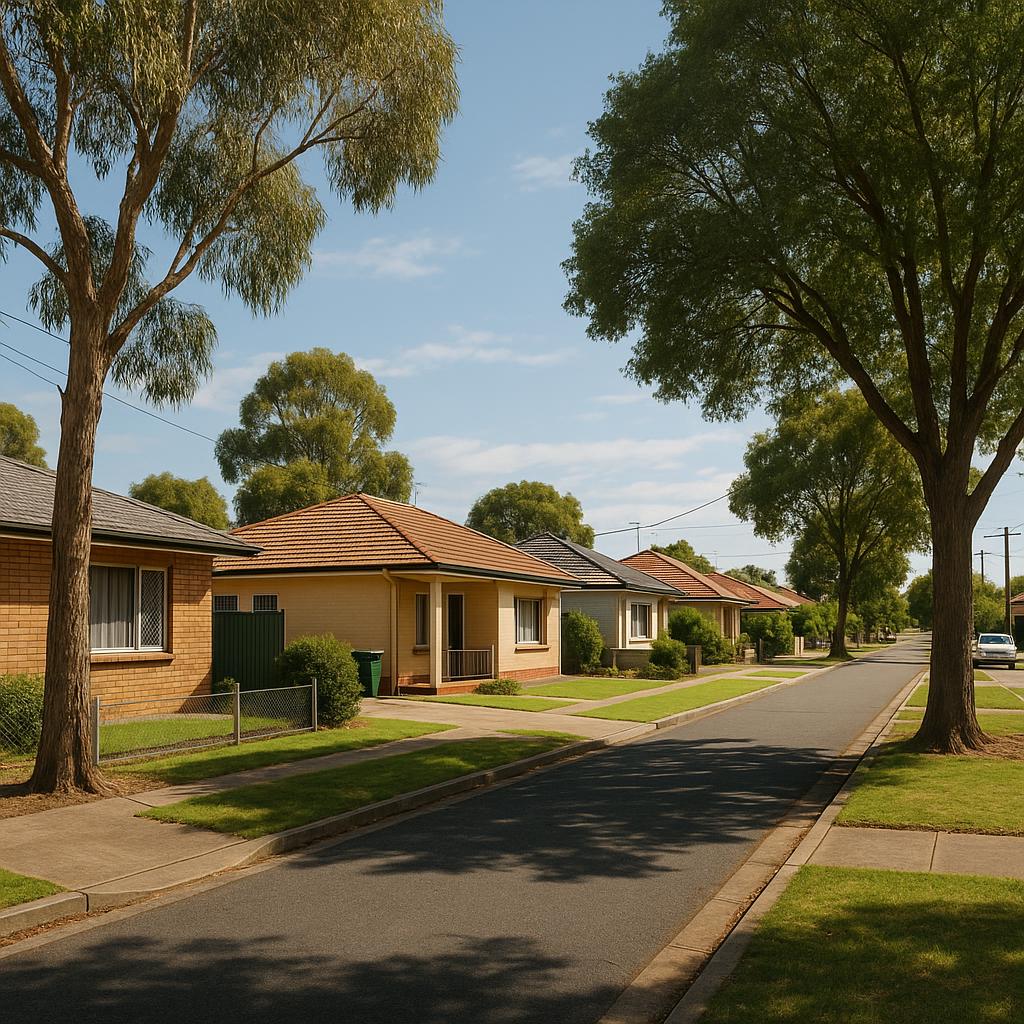
Salisbury sits in Adelaide’s northern corridor and functions as a service-oriented residential suburb rather than a prestige address. That matters because the market here is usually driven by usability: access to transport, day-to-day amenities, and housing that suits a wide range of budgets and household types.
The suburb includes a mix of established homes, updated dwellings, and infill or redevelopment pockets. That variety is useful for buyers, but it also means local outcomes can differ meaningfully from one street to the next. In practical terms, a neat home near a quieter pocket may perform very differently from an older property closer to heavier traffic or mixed-use activity.
For buyers, Salisbury often presents a question of trade-off rather than perfection: do you prioritise price, land, renovation upside, or low-maintenance comfort? For investors, the suburb tends to reward properties that are easy to occupy and straightforward to maintain, rather than those that rely on premium positioning.
Buyer Demand
Demand in Salisbury typically comes from first-home buyers, investors, families needing more space for the budget, and some downsizers who want convenience without paying inner-suburb pricing. That mix helps create a broader market than many small, single-demographic suburbs.
In practice, well-presented homes with functional layouts and sensible access to transport or services tend to draw stronger attention. Buyers generally respond better to properties that feel immediately usable, while homes that need major work must be priced carefully to justify the extra effort and risk.
Rental Market
Salisbury usually appeals to renters who want practical access to work, transport, and everyday services. That can include workers, couples, young households, and families who need a functional suburban base without stretching their budget into more expensive inner areas.
For investors, the rental strategy is often about simplicity: durable finishes, workable floorplans, parking, and low-maintenance outdoor areas. A property does not need luxury features to lease well, but it does need to be easy to live in and realistic to maintain.
Lifestyle, Transport & Schools
Lifestyle in Salisbury is best described as practical and service-led. It suits people who want access to essentials, transport, and routine convenience more than a polished café-strip lifestyle. That makes it attractive to busy households, commuters, and buyers who value function over flair.
Transport is one of the suburb’s most important fundamentals. Rail and road connectivity can widen the buyer and renter pool because they reduce commute friction and make the area more workable for households that rely on public transport or need straightforward access to major destinations.
School access and catchment boundaries can also influence demand, especially for families comparing nearby pockets. Because enrolment zones and intake rules can change, buyers should verify current information directly with the relevant school and official South Australian education sources before making assumptions.
Salisbury (SA) Suburb Profile
Official 2021 Census snapshot for the ABS Suburbs and Localities geography.
Age profile
Housing tenure
Occupied private dwellings by tenure type.
Salary & income profile
Median total income reported in the Census.
*Annual figures are weekly median × 52 estimates, not separate ABS annual medians.
Education & qualifications
Highest educational attainment, people aged 15+.
Employment status
People aged 15+ who reported being in the labour force.
Industry of employment
Top responses among employed people aged 15 years and over.
Occupation profile
Broad occupation groups among employed residents, including managers.
Property Type Guide
- Older houses: Often appeal to buyers wanting land, character, or renovation upside, but they can bring hidden maintenance and layout issues.
- Updated homes: Suit buyers who want move-in readiness and investors seeking a quicker path to tenant appeal.
- Units and smaller dwellings: Can work well for low-maintenance living, though they usually offer less scope for future extension or value-add.
- Newer or infill properties: Often attract buyers who prioritise modern layouts, easier upkeep, and more predictable ownership costs.
- Best-fit strategy: First-home buyers should focus on condition and commute; investors should focus on durability and rentability; families should prioritise space and usability.
Risks & Watch-Outs
- Street-by-street variation is significant, so do not rely on suburb-level impressions alone when judging a property.
- Older stock can look affordable but still require substantial work in roofing, plumbing, electrical, or moisture management.
- Busy roads and mixed-use surroundings may improve convenience but reduce day-to-day amenity for some buyers.
- Renovating beyond local expectations can overcapitalise a property and limit resale efficiency.
- A cheap property is not automatically a good investment if its layout, condition, or location makes it harder to lease.
Nearby Suburbs to Compare
FAQ
Is Salisbury a good suburb for first-home buyers?
It can be, especially if you value affordability and practical access over premium lifestyle features. First-home buyers should compare older homes, updated dwellings, and smaller properties carefully, because the cheapest option is not always the best value once repairs and commuting are considered.
Is Salisbury a good suburb for investors?
Often yes, if the property is easy to maintain and attractive to a broad renter pool. Investors should focus on functional layouts, durable finishes, and access to transport or services, rather than assuming any low-priced property will automatically produce strong returns.
What types of homes are most common in Salisbury?
Salisbury generally offers a mix of established houses, renovated stock, infill dwellings, and some lower-maintenance options such as units or smaller homes. The best choice depends on whether your priority is land, simplicity, renovation potential, or rental durability.
Is Salisbury better for families or renters?
It can suit both, but different pockets suit different needs. Families often look for yard space, bedroom count, and access to schools and services, while renters usually focus on transport convenience, low-maintenance living, and cost-effective access to employment.
What should buyers inspect most carefully?
Inspect the building condition, surrounding streets, traffic exposure, and nearby land uses. In Salisbury, two similar-looking properties can have very different livability and resale outcomes depending on noise, upkeep, and the quality of the immediate pocket.
Conclusion
Salisbury is a value-focused Adelaide suburb that rewards practical decision-making. It is not about prestige; it is about access, affordability, and housing that can work for real households. Buyers and investors who inspect carefully, compare streets properly, and match the property type to their goals are more likely to make a sound decision.
Sources & How to Verify
- Check current listings on realestate.com.au to compare asking prices, property types, and how quickly similar homes are being advertised.
- Review current comparable sales on Domain so you are not relying on outdated estimates or broad suburb assumptions.
- Use ABS data to understand broad demographic and dwelling context, but avoid using old census snapshots as current market proof.
- Verify rail, bus, and service information through Adelaide Metro because transport frequency and route details can change.
- Check planning and development settings on SA Government Planning and Property before assuming zoning, redevelopment, or future use potential.
- Confirm school catchments and enrolment details through the South Australian school finder rather than relying on hearsay or outdated maps.
- Review local council information on the City of Salisbury website to understand nearby facilities, planning priorities, and community infrastructure.
- Cross-check recent rental listings on realestate.com.au rentals to see what type of property is currently most visible to tenants in the market.