Quick Answer
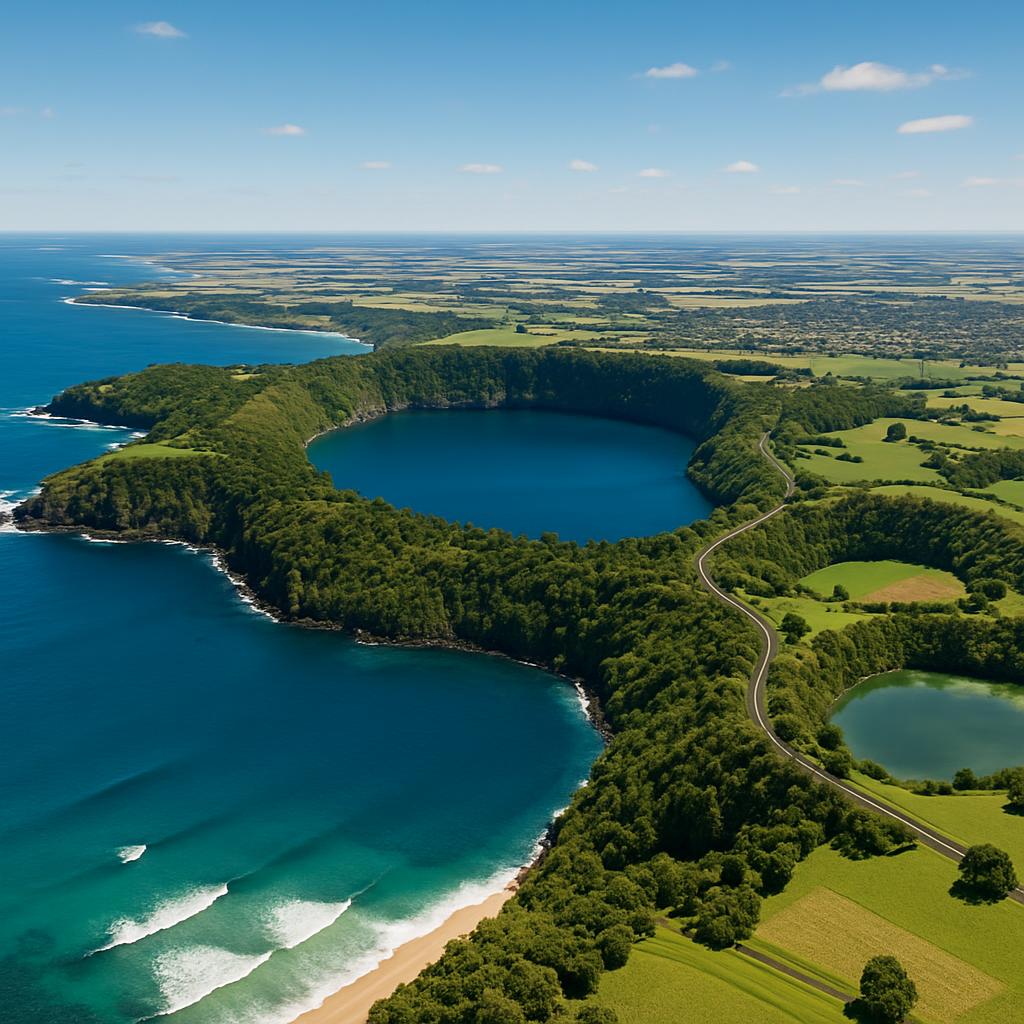
Mount Gambier, notable for its stunning natural landscapes and beach access, is experiencing a progressive trend in property price growth. The suburb’s appeal is driven by its lifestyle amenities and commute options, making it attractive for both investors and homeowners.
Key Takeaways
- A compelling destination for property investment and homeownership.
- Growth in demand is closely linked to lifestyle, accessibility, and community amenities.
Pros & Cons
Pros
- Scenic beauty and abundant outdoor access.
- A growing real estate market with significant price appreciation.
- Community-oriented lifestyle fostering local engagement.
Cons
- Risk of overdevelopment impacting community infrastructure.
- Limited presence of high-end amenities compared to metropolitan areas.
Suburb Snapshot
Located in the southeastern corner of South Australia, Mount Gambier is the second most populated city in the state and is famed for its unique geological features, including volcanic craters and stunning blue lakes. Its significance extends beyond just aesthetics, historically serving as a vital agricultural hub. Its demographic profile is diverse—comprising families, retirees, and young professionals seeking a balanced lifestyle.
Investor View
The property market in Mount Gambier has shown promising trends, with moderate growth rates in recent years. Investors should consider potential return on investment (ROI), with demand likely to increase as more people appreciate the suburb’s lifestyle offerings.
Homeowner View
Mount Gambier boasts a friendly community vibe, making it appealing for families and young professionals. The variety of housing options—from contemporary townhouses to classic family homes—ensures that there’s something for every taste and budget.
Market Drivers
Economic growth and demographic shifts are key drivers influencing property values in Mount Gambier. Increasing interest from urban-dwellers looking for greener lifestyles has led to heightened demand, significantly impacting prices.
Cost of Living Breakdown
Mount Gambier maintains a relatively low cost of living compared to major Australian cities. While housing prices vary, many residents find that general expenses (groceries, utilities) remain affordable, especially for families.
Transport & Commute Details
A network of public transport options, including buses, enhances accessibility. Commute times to major job centers can vary, averaging around 30 minutes to key locations within the city and surrounding areas.
Rental Market Insights
Rental demand remains robust, with trends indicating rising median rental prices, particularly for family-sized homes. Vacancy rates are relatively low due to the area’s growing popularity.
Schools & Education
Mount Gambier is served by several primary and secondary schools, receiving moderate ratings in performance. Community involvement in educational activities is strong, bolstering the quality of local education.
Lifestyle & Daily Life
The suburb offers numerous outdoor activities, including hiking and water sports, complemented by a range of shopping and dining options. Regular community events foster social connectivity and vibrancy.
Comparison with Nearby Suburbs
When compared to surrounding suburbs like Millicent and Penola, Mount Gambier stands out for its unique landscape and accessibility to amenities. While these areas may offer cheaper housing, the lifestyle benefits of Mount Gambier make it a more attractive option for many buyers.
Future Growth & Development
Several projects are underway aimed at enhancing infrastructure and community services in Mount Gambier. Predictions suggest sustained growth and development in the coming years as more residents seek the benefits of suburban living.
Safety & Crime
Overall, Mount Gambier is considered a safe suburb with manageable crime rates. Residents can enhance their safety through community programs aimed at crime prevention.
Who This Suburb Is Best For
This suburb is particularly ideal for families, retirees, and young professionals seeking a quieter lifestyle with access to essential amenities and recreational activities.
Due Diligence Checklist
- Understand local zoning laws and regulations.
- Investigate nearby amenities and services.
- Review current property listings and recent sales trends.
- Research local school ratings and educational facilities.
- Engage with local community groups, to gauge lifestyle aspects.
Red Flags & Watch-Outs
- Watch for potential market volatility and property oversupply.
- Consider the implications of overdevelopment on community feel.
FAQ
- What are the average house prices in Mount Gambier? Prices vary depending on property type and location; checking recent sales data will provide a clearer picture.
- How are the schools rated? Local schools generally receive moderate ratings; consult school review sites or community feedback for specifics.
- What are the community activities available? The suburb hosts various local events, including markets and festivals.
- Is it a good time to invest in Mount Gambier? Current trends suggest a favorable climate for investment; ongoing research and market monitoring are advised.
- What is the job market like? Local employment opportunities are expected to grow, influenced by population increases.
Sources & how to verify
- Australian Bureau of Statistics – For national and local statistics.
- Transport for South Australia – Transport and commute details.
- South Australian Education Department – School performance and ratings.
- Realestate.com.au – For current property listings and sales data.
- City of Mount Gambier – Local council information and community programs.