Quick Answer
Wynnum is generally a lifestyle-led bayside suburb that appeals to both owner-occupiers and investors who value established housing, everyday convenience, and long-term liveability. It is usually better suited to buyers seeking stable demand and broad appeal than to those chasing aggressive speculative growth. The best outcomes typically come from choosing the right pocket and dwelling type, because older homes, flood exposure, and renovation quality can materially affect both resale and rental performance.
Key Takeaways
- Wynnum tends to attract buyers who prioritise bayside lifestyle, practical amenity, and established suburb character.
- Demand often centres on well-presented homes, functional layouts, and low-maintenance properties near transport or daily conveniences.
- Older housing can create value, but only when renovation scope, maintenance, and environmental risks are understood upfront.
- Investors should think in terms of tenant profile first, then property type, because houses, townhouses, and units behave differently.
- Compared with more generic suburbs, Wynnum’s appeal is highly pocket-specific, so street-by-street due diligence matters.
Pros & Cons
Pros
- Bayside lifestyle with strong everyday appeal
- Established streetscapes and broad buyer interest
- Useful mix of houses, townhouses, and units
Cons
- Older stock can mean higher maintenance
- Environmental and drainage checks are important
- Lifestyle premiums can compress investor returns
Market Overview
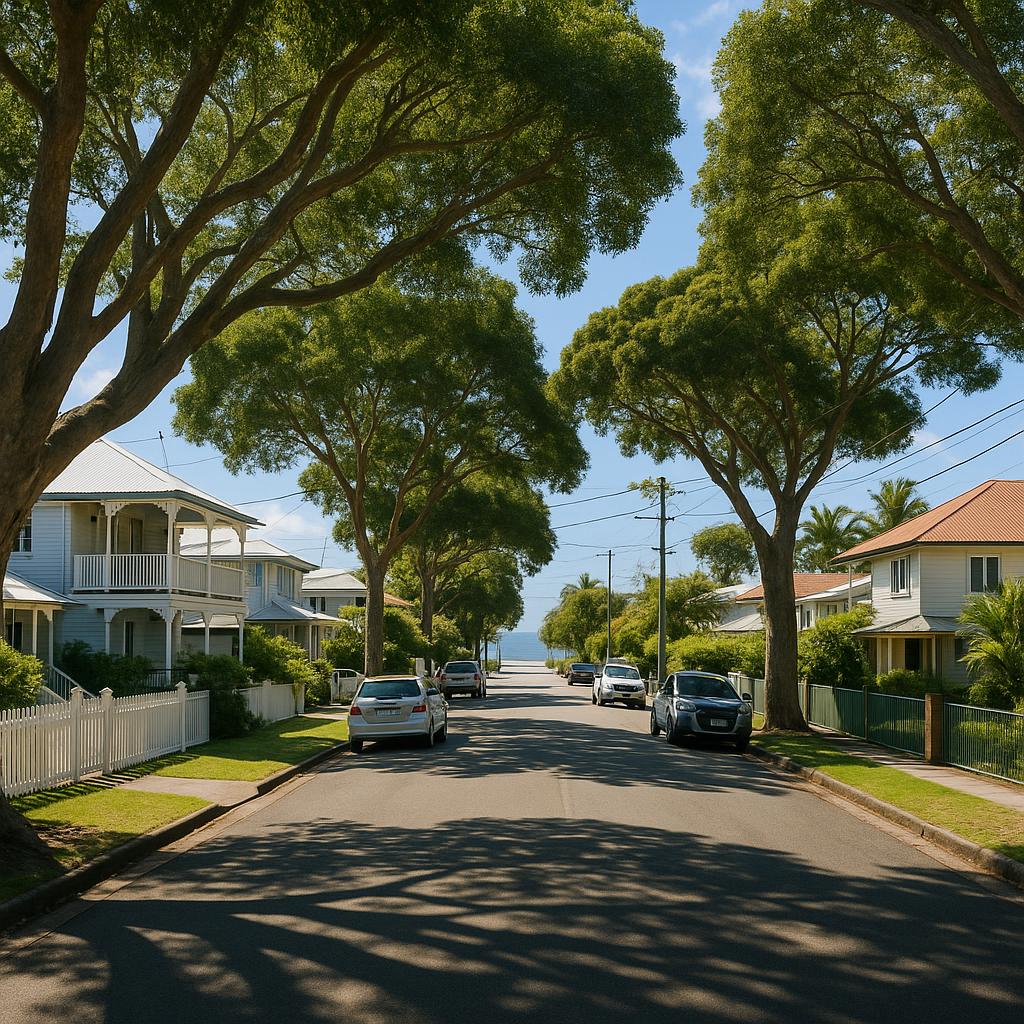
Wynnum is one of Brisbane’s better-known bayside suburbs, and that identity matters. It combines a relaxed coastal feel with practical suburban infrastructure, which is why it tends to appeal to owner-occupiers, downsizers, and investors who want durable demand rather than a one-note market.
The local market is shaped by a mix of older Queenslander-style homes, post-war housing, renovated dwellings, and lower-maintenance units or townhouses. That mix creates very different outcomes depending on the block, build quality, presentation, and whether the property suits family living or lock-up-and-leave convenience.
For buyers, the key is not simply “buy in Wynnum”, but “buy the right version of Wynnum”. A renovated home near amenity may attract strong interest, while an original property with functional issues may require a discount to compensate for future work. That distinction is especially important in lifestyle suburbs where emotional buying can lift competition.
Buyer Demand
Buyer demand in Wynnum is usually broad rather than niche. Families, professionals, and downsizers often want the same core features: usable space, easy access to services, and a lifestyle they can enjoy every day, not just on weekends.
That means presentation and practicality carry real weight. Buyers tend to respond strongly to move-in-ready condition, sensible floorplans, outdoor living, parking, and a location that reduces daily friction. Homes that solve those problems usually stand out faster than those relying only on charm.
Rental Market
Wynnum’s rental appeal is strongest where the property is low-maintenance, well-located, and easy to live in. Tenants in this area are likely to include couples, small families, professionals, and some downsizers who want convenience without sacrificing lifestyle access.
For investors, the main question is whether the property matches local tenant demand. A tidy unit near transport may suit a commuter or older renter who values simplicity, while a house with multiple bedrooms and a practical yard may appeal to a family seeking stability. Rental success usually comes from fit, not just suburb prestige.
Lifestyle, Transport & Schools
Wynnum’s lifestyle appeal is a genuine market driver. Waterfront access, parks, walking routes, local cafes, and a community-oriented feel can all influence who buys, who rents, and how long people stay. In practical terms, lifestyle here often translates into stronger owner-occupier interest.
Transport also helps broaden demand. Rail access and road connectivity make the suburb workable for commuters who want bayside living without feeling disconnected from the city. That matters because the best suburban markets are often the ones where daily routines remain manageable.
For families, school access and everyday logistics are part of the value proposition. Parents usually care as much about easy drop-offs, childcare access, and after-school routines as they do about the school itself. If you are comparing homes, map the whole weekday routine rather than relying on a map pin.
Wynnum Suburb Profile
Official 2021 Census snapshot for the ABS Suburbs and Localities geography.
Age profile
Housing tenure
Occupied private dwellings by tenure type.
Salary & income profile
Median total income reported in the Census.
*Annual figures are weekly median × 52 estimates, not separate ABS annual medians.
Education & qualifications
Highest educational attainment, people aged 15+.
Employment status
People aged 15+ who reported being in the labour force.
Industry of employment
Top responses among employed people aged 15 years and over.
Occupation profile
Broad occupation groups among employed residents, including managers.
Property Type Guide
- Houses: Best for buyers wanting land, flexibility, and long-term upside, but older stock needs careful inspections and maintenance budgeting.
- Townhouses: A middle-ground option for buyers wanting less upkeep than a house, while still keeping a more residential feel than an apartment.
- Units/apartments: Often suit investors, first-home buyers, and downsizers who prioritise lower maintenance and simpler living, though strata costs matter.
- Renovated homes: Attractive to move-in-ready buyers and often easier to lease, but the premium should be justified by quality and location.
- Original homes: Can offer value-add potential, but only if the buyer understands the cost, timing, and uncertainty of the works required.
Risks & Watch-Outs
- Check for flood, drainage, and stormwater considerations before assuming a property is low risk.
- Inspect older homes carefully for roof, timber, plumbing, and corrosion issues that can lift holding costs.
- Do not assume every pocket of Wynnum behaves the same; micro-location can change buyer and tenant response materially.
- A lifestyle premium can be expensive if the dwelling condition is average or the layout is awkward.
- Compare recent nearby sales and rentals for the same property type, not just the same suburb name.
Nearby Suburbs to Compare
- Manly QLD Property Market Guide: Buyers & Investors
- Wakerley
- Tingalpa
- Carina
- Brisbane bayside alternatives with similar lifestyle considerations
FAQ
Is Wynnum a good suburb for property investors?
It can be, especially for investors who understand lifestyle-led tenant demand and choose the right dwelling type. The suburb can suit long-term hold strategies, but returns still depend on purchase price, maintenance, and how well the property matches local demand.
What type of buyer suits Wynnum best?
Wynnum often suits owner-occupiers who value bayside living, established character, and convenience. It can also suit investors and downsizers, but the best fit is usually someone who wants liveability first and is comfortable assessing older housing stock properly.
Should buyers prefer houses or units in Wynnum?
That depends on strategy. Houses usually offer more space and land upside, while units may suit buyers seeking simpler upkeep and broader affordability. The right answer depends on whether your priority is lifestyle, capital growth, cash flow, or lower maintenance.
What should I check before buying in Wynnum?
Focus on flood and drainage exposure, building condition, renovation quality, street appeal, parking, and how the home connects to schools, transport, and daily amenity. In this suburb, the quality of the individual property can matter as much as the location itself.
Why do people pay attention to Wynnum?
Because it offers a recognisable bayside lifestyle without being a purely holiday-style market. That combination of community feel, established housing, and practical convenience tends to support steady interest from both buyers and tenants over time.
Conclusion
Wynnum is best understood as a lifestyle-led, established bayside suburb with broad appeal and clear property-type differences. It can work well for buyers and investors, but only if the dwelling, pocket, and maintenance profile align with your goals. In Wynnum, the right property usually matters more than simply buying the suburb name.
Sources & how to verify
- Check current suburb, planning, and zoning context on Brisbane City Council so you understand whether the property sits near planning changes or overlays that affect use and risk.
- Review local property and household information on ABS to confirm demographic and housing trends before relying on broad suburb narratives.
- Use Domain to compare current listings, asking prices, and rental supply for the exact property type you are considering.
- Use realestate.com.au to review recent sale and rent evidence, then compare only similar homes with similar land size, condition, and location.
- Verify school catchments and enrolment requirements on Queensland Government resources or official school websites before buying on the assumption that a nearby school is automatically available.
- Check transport access and timetables on Translink so commuting assumptions are based on actual routes, not just map proximity.
- Review flood and hazard mapping through official Queensland or council sources to confirm whether the block has drainage, creek, or coastal exposure that affects insurance and resale.
- Request local comparable sales evidence from a licensed agent or valuer, then test whether the property’s condition, orientation, and street position justify any premium.