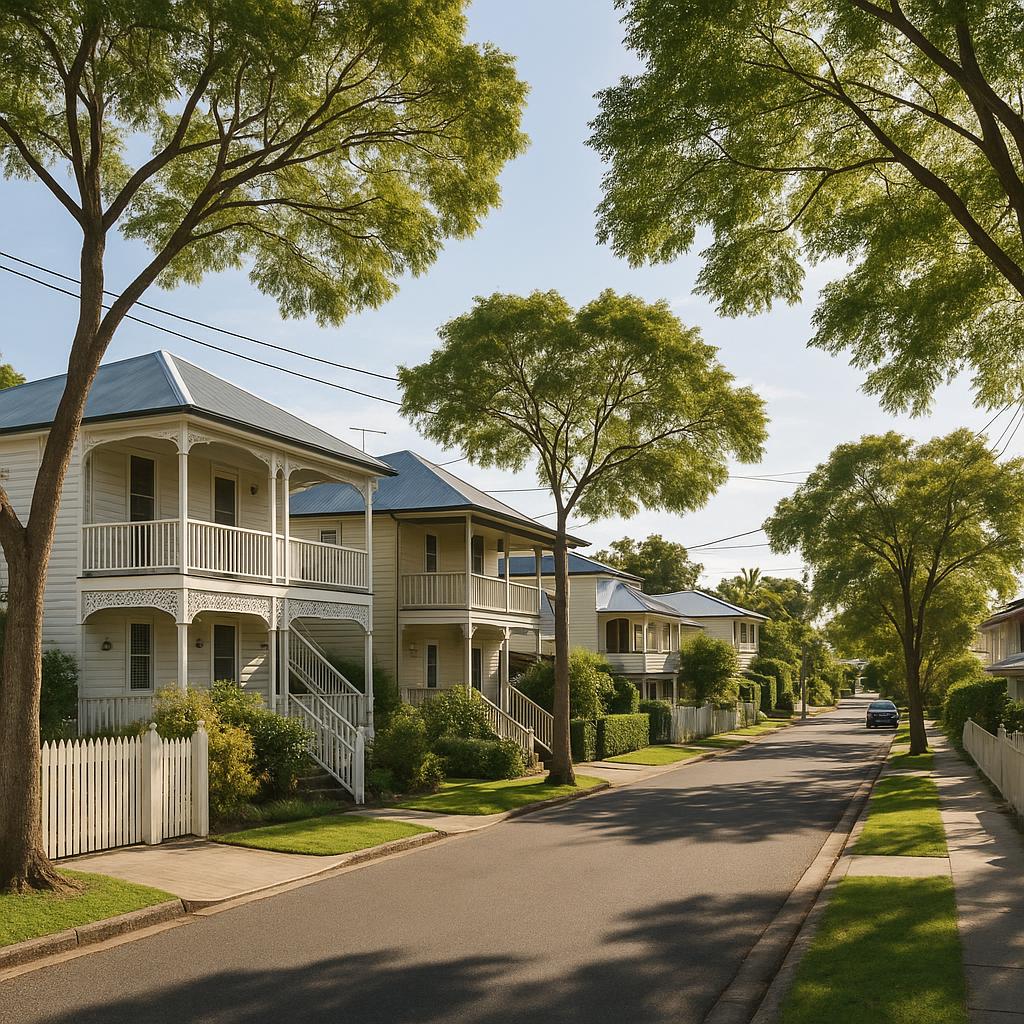
Wilston QLD Property Market Guide: Buyers & Investors
Quick Answer
Wilston suits buyers and investors who want an established inner-north Brisbane suburb with strong lifestyle appeal, character housing, and reliable demand. It is generally better for long-term holding than bargain hunting, because the best results often come from street selection, property quality, and presentation rather than chasing the cheapest entry. Families, professionals, and downsizers are drawn to its convenience and village feel, while investors value tenant depth and resilient rental interest.
Key Takeaways
- Wilston offers inner-north convenience with a residential feel that appeals to lifestyle-driven buyers and quality tenants.
- Established housing stock means property-specific due diligence matters more than broad suburb reputation alone.
- Character homes and well-kept family houses usually attract the widest buyer pool and strongest emotional response.
- Investors should focus on low-maintenance layouts, tenant fit, and long-term holding quality rather than headline yield.
- The suburb generally suits buyers seeking stability, liveability, and long-term capital growth over speculative trading.
Pros & Cons
Pros
- Inner-north location supports convenience to the CBD and major employment areas.
- Established streetscape and character housing create strong owner-occupier appeal.
- Broad lifestyle demand helps support resale depth and rental interest.
Cons
- Entry costs can be high relative to nearby alternatives, narrowing options for some buyers.
- Quality stock is often tightly held, so choice can be limited.
- Older homes may carry maintenance, renovation, or site-specific issues that require careful assessment.
Market Overview
Wilston is an established inner-north Brisbane suburb with a strong identity, a largely residential feel, and clear appeal to buyers who value proximity, character, and convenience. It is the kind of suburb where the land, street, and dwelling quality often matter as much as the postcode itself.
The market is typically shaped by limited supply of desirable homes, owner-occupier demand, and a preference for well-presented property in quiet, walkable pockets. That combination can create firm competition for the best stock, especially when a home offers move-in readiness or obvious renovation upside.
For investors, the key point is that Wilston is usually more about resilient demand than aggressive cashflow. For homeowners, the main attraction is a premium lifestyle location that can hold appeal across different life stages.
Buyer Demand
The main buyer groups are families, professionals, downsizers, and investors seeking a dependable location close to the city. Many buyers come to Wilston for lifestyle reasons first, then justify the purchase with longer-term financial logic.
Demand is usually strongest for homes that feel easy to live in: good street appeal, practical layout, usable outdoor space, and a location that supports commuting and everyday routines. A renovated character home can attract multiple buyer types at once, while weaker stock may need sharper pricing to move.
Rental Market
Wilston can appeal to tenants who want an inner-north address with access to jobs, transport, and local amenity. Common renter profiles include professionals, couples, small families, and long-term tenants who value stability and convenience.
For investors, the best rental outcomes usually come from properties that are easy to maintain and easy to live in. A functional layout, sensible parking, and low-fuss finishes generally matter more than trying to chase a highly specialised renter profile.
Lifestyle, Transport & Schools
Wilston’s lifestyle appeal comes from its established suburban character, local cafés and services, parks, and an overall sense of liveability. Buyers often pay for the daily experience as much as the house itself, especially when the suburb reduces commute stress and simplifies routines.
Transport convenience is a major part of the story. Good access to rail and road connections can widen both buyer and tenant demand, because reliable commuting options matter in an inner-city market. It is worth checking the exact walk from the property to transport, not just the suburb map.
Schools and catchments also influence demand, even when buyers are not school-focused today. Proximity to suitable schooling often improves resale depth later, so families should verify catchments directly before making assumptions. Walking the street at different times of day is one of the best ways to test liveability, parking pressure, and noise.
Wilston Suburb Profile
Official 2021 Census snapshot for the ABS Suburbs and Localities geography.
Age profile
Housing tenure
Occupied private dwellings by tenure type.
Salary & income profile
Median total income reported in the Census.
*Annual figures are weekly median × 52 estimates, not separate ABS annual medians.
Education & qualifications
Highest educational attainment, people aged 15+.
Employment status
People aged 15+ who reported being in the labour force.
Industry of employment
Top responses among employed people aged 15 years and over.
Occupation profile
Broad occupation groups among employed residents, including managers.
Property Type Guide
- Character homes: Strong emotional appeal, land value, and renovation upside; inspect carefully for maintenance and structural scope.
- Family houses: Often the best fit for long-term occupancy; focus on layout, outdoor usability, and street quality.
- Units/apartments: Can suit first-home buyers, downsizers, and investors wanting simpler upkeep; check body corporate details and parking.
- Renovator opportunities: Can create value if the budget, build scope, and final resale outcome are well controlled.
- Newer or rebuilt homes: Usually attract buyers wanting lower maintenance; avoid overpaying for finishes if the location is average.
Risks & Watch-Outs
- Suburb reputation can tempt buyers to overpay without properly assessing the actual property and street.
- Older homes may hide moisture, structural, or renovation issues that only become obvious after detailed inspections.
- Street-by-street variation is important, because traffic, noise, parking, and amenity access can materially change buyer appeal.
- Yield-focused investors may find the suburb less compelling than outer areas with stronger cashflow.
- Renovation budgets can blow out quickly if the home needs compliance work, layout changes, or unexpected repairs.
Nearby Suburbs to Compare
- Windsor
- Kelvin Grove
- Herston
- Mitchelton
- Alderley
FAQ
Is Wilston a good suburb for first-home buyers?
It can be, but only if your budget matches the local price level and you are comfortable with trade-offs. Entry-level buyers often need to balance location, property condition, and holding costs rather than expecting a bargain in a blue-chip-style suburb.
Is Wilston better for buyers or investors?
It can suit both, but for different reasons. Buyers usually value the lifestyle, convenience, and character feel, while investors tend to value tenant demand, low vacancy risk, and long-term resilience. The best fit depends on your goal and holding period.
What type of property performs best in Wilston?
Well-kept character homes and practical family houses usually have the broadest appeal because they suit owner-occupiers and long-term tenants. Units can work too, but you should assess building quality, body corporate costs, parking, and future resale depth.
What should investors watch out for in Wilston?
Focus on maintenance risk, noisy locations, awkward layouts, and the likelihood that your target tenant pool may be narrower than expected. An easy-to-manage property in a strong street is usually safer than a more complex home with a glossy presentation.
How important are schools and transport?
They matter a lot because they influence both liveability and resale. Buyers often verify catchments and commuting convenience early in the decision process, so checking current information from official sources is essential before relying on assumptions or old advice.
Conclusion
Wilston is an established inner-north suburb that rewards careful buyers rather than casual ones. If you are buying for lifestyle, focus on the street, dwelling quality, and daily convenience. If you are investing, prioritise tenant appeal, low-maintenance features, and long-term holding strength. In Wilston, the best purchase is usually the one that balances location with property fundamentals.
Sources & How to Verify
- Check current sold results and active listings on Domain so you can compare asking prices with real market evidence.
- Review listing histories on realestate.com.au to see how long comparable properties are taking to sell or lease.
- Use ABS data to understand broad demographic context, but avoid using outdated snapshots as a substitute for current local inspection.
- Confirm transport routes and service levels on Translink before assuming a property has easy commuting access.
- Verify school catchments and enrolment details through the relevant school catchment information or official school sources, because boundaries can matter more than suburb reputation.
- Check flood, drainage, and terrain considerations using Brisbane City Council resources before relying on any property’s elevation or resilience claims.
- Discuss rental expectations with a local property manager and compare them against current advertised rentals on major portals, because rent estimates can shift quickly with supply and condition.