Quick Answer
Chermside is a convenience-led Brisbane north suburb with broad appeal to homeowners and investors who value access over prestige. It suits buyers who want daily amenity, strong transport connectivity, and a mix of apartments, townhouses, and houses close to major services. Investors are often drawn to its deep tenant pool and low-maintenance dwelling profile, while owner-occupiers should focus on street-level amenity, noise exposure, and building quality. The suburb can work well, but the right micro-location matters more than the postcode alone.
Key Takeaways
- Chermside is a practical north Brisbane suburb built around convenience, retail access, and everyday services rather than prestige positioning.
- Demand is supported by transport access, health services, employment links, and the suburb’s role as a regional activity centre.
- The best fit is often buyers who prioritise commute efficiency, amenity, and low-maintenance living over quiet residential character.
- Property choice matters: apartment building quality, townhouse privacy, and house street position can change the buying outcome materially.
- Micro-location is critical, so verify traffic, parking, strata records, and catchment details before treating Chermside as a uniform market.
Pros & Cons
Pros
- Strong everyday convenience for shopping, services, and errands
- Broad tenant and buyer appeal across multiple dwelling types
- Good commuter access for Brisbane’s northside travel patterns
Cons
- Traffic, noise, and congestion can be noticeable in some pockets
- Apartment and strata quality varies widely between buildings
- Not ideal for buyers wanting a quiet, village-style residential feel
Market Overview
Chermside is one of Brisbane’s best-known northern hubs, and that identity shapes the property market. It is not a one-note residential suburb; it combines homes with large-format retail, service amenity, and transport convenience, which means buyer demand is often driven by practicality rather than prestige.
That matters because different parts of the suburb behave differently. A well-located apartment near daily amenity may suit a very different buyer from a family seeking a quieter street with a house and yard. For investors, that diversity can be useful, but it also means you need to underwrite the individual asset carefully instead of relying on suburb name alone.
In broad terms, Chermside tends to appeal to people who want easy access to work, services, and transport without moving closer to the inner city. It can be a sensible option for buyers who want functionality, but those chasing a calmer residential environment should compare it closely with nearby suburbs before committing.
Buyer Demand
Demand in Chermside is usually strongest from first-home buyers, investors, downsizers, and professionals who want practical living. That broad buyer mix supports different dwelling types, but the strongest competition often falls on well-presented, easy-care properties in walkable or well-connected pockets.
What drives interest is not just the suburb itself, but the combination of convenience and repeat-use amenity. Buyers often compare how easy it is to live there day to day: parking, access routes, noise exposure, and the quality of the immediate street can influence enquiry more than internal fit-out alone.
Rental Market
Chermside is generally rental-friendly because it offers a large tenant pool that values access and simplicity. Tenants who are job-moving, service-sector focused, or seeking a shorter commute may find the area attractive, particularly if the property is low-maintenance and well connected.
For investors, the key is to match the dwelling to tenant expectations. Functional layouts, good natural light, parking, and manageable strata arrangements often matter more than cosmetic upgrades. A tidy unit in a sensible location can be easier to lease than a flashier property that is awkward to access or poorly maintained.
Lifestyle, Transport & Schools
Chermside’s lifestyle appeal is convenience-led. Residents can handle shopping, appointments, dining, and routine errands without travelling far, which is a major advantage for time-poor households, downsizers, and renters who want a practical base.
Transport access is a major part of the suburb’s value proposition. Buyers should test the commute at real peak times, not just off-peak, because congestion and traffic flow can materially change day-to-day livability. If you are parking multiple vehicles or rely on easy turn-in and turn-out, inspect the exact street carefully.
School access can influence demand, especially for family buyers, but catchments should always be verified directly before purchase. Do not assume a property is in a preferred zone based on suburb reputation alone; boundaries and enrolment arrangements can change and should be checked on current official sources.
Chermside Suburb Profile
Official 2021 Census snapshot for the ABS Suburbs and Localities geography.
Age profile
Housing tenure
Occupied private dwellings by tenure type.
Salary & income profile
Median total income reported in the Census.
*Annual figures are weekly median × 52 estimates, not separate ABS annual medians.
Education & qualifications
Highest educational attainment, people aged 15+.
Employment status
People aged 15+ who reported being in the labour force.
Industry of employment
Top responses among employed people aged 15 years and over.
Occupation profile
Broad occupation groups among employed residents, including managers.
Property Type Guide
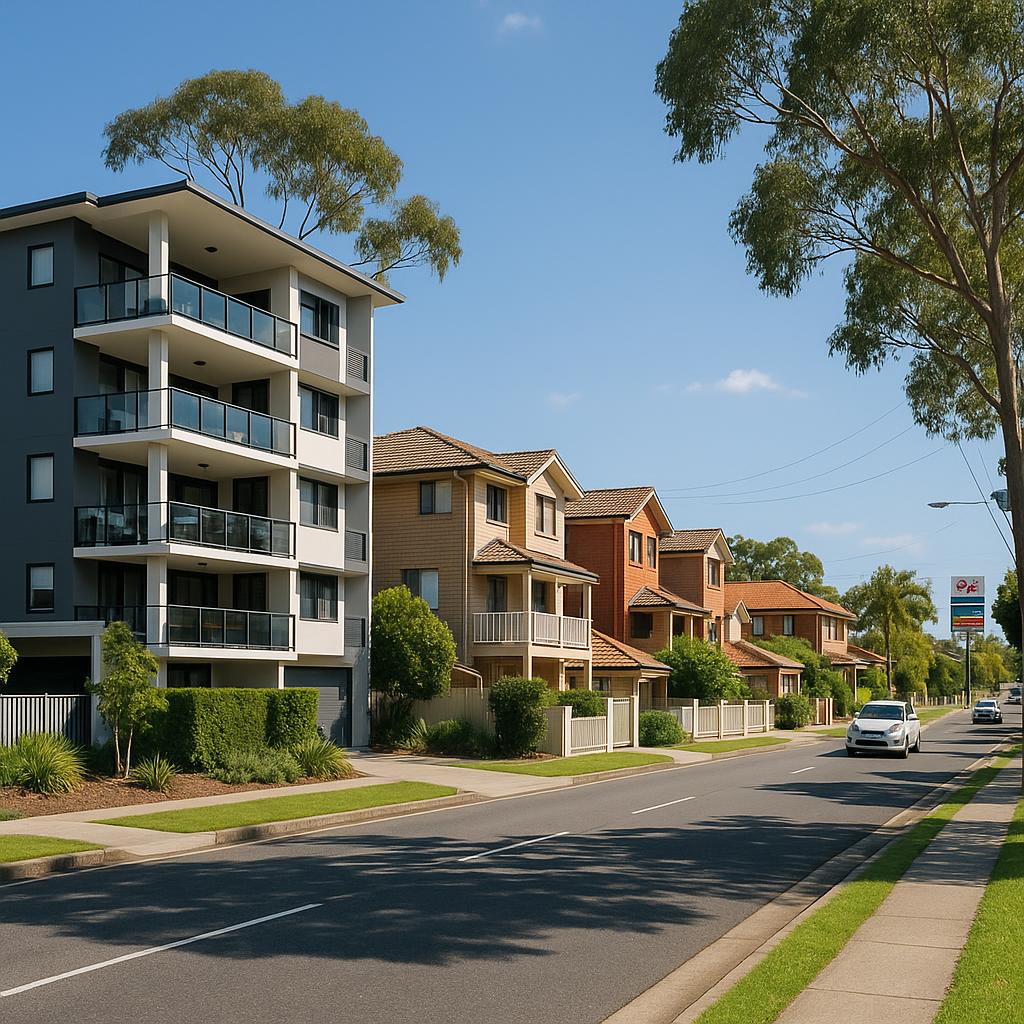
- Apartments: Best for low-maintenance living and investor demand; check strata health, noise, parking, ventilation, and building upkeep.
- Townhouses: Offer a middle ground between space and simplicity; inspect shared-wall noise, visitor parking, and common-area management.
- Houses: Suited to buyers wanting land, flexibility, or renovation upside; compare street quality, setback, and traffic exposure carefully.
- Best strategy fit: Choose apartments for convenience, townhouses for balance, and houses for land or long-term family hold potential.
Risks & Watch-Outs
- Some pockets experience stronger traffic noise and congestion, so a short inspection may not reveal the real day-to-day experience.
- Apartment quality can vary significantly, and older buildings may carry maintenance or strata issues that affect returns and resale.
- Parking pressure can be a real factor near denser or more active areas, especially if you need multiple vehicles or regular guest parking.
- Buyers can overpay for convenience if they ignore building condition, common-area maintenance, and comparable sales in quieter streets.
- Chermside is not uniform, so the same budget can buy very different liveability outcomes depending on exact location and dwelling type.
Nearby Suburbs to Compare
- Alderley: Middle-Ring Community Feel and Local Demand Watch
- Underwood: City-Fringe Green Spaces and Parks and Trails Outlook
- Salisbury: City-Fringe Stable Interest Update
- Aspley
- Stafford
- Wavell Heights
FAQ
Is Chermside a good suburb for first-home buyers?
Chermside can suit first-home buyers who value convenience, transport access, and low-maintenance living. The main trade-off is that some pockets are busier and less residential in feel, so buyers should focus on street quality and dwelling type rather than the suburb name alone.
Is Chermside a good suburb for investors?
It can be, because the suburb has broad tenant appeal and a practical housing mix. Investors should prioritise the strength of the specific building, the ease of parking, and the quality of the location within the suburb rather than chasing generic suburb appeal.
What property type usually works best in Chermside?
Apartments and townhouses often suit the suburb’s convenience-led profile, especially where low maintenance and proximity to amenity matter. Houses can still be attractive, but the buying case is usually stronger when the street is quieter and the land component is genuinely useful.
What should I check before buying in Chermside?
Check traffic noise, parking, building quality, body corporate records, and school catchments if family demand matters. It is also worth comparing the property against nearby streets at different times of day, because livability can change dramatically inside the same suburb.
Is Chermside better for lifestyle or investment?
It can work for both, but its strongest edge is practicality. Lifestyle buyers like the daily convenience, while investors like the depth of demand for well-located low-maintenance dwellings. The best result usually comes from matching the property type to the buyer profile.
Conclusion
Chermside is a strong contender for buyers who want convenience, transport access, and broad market appeal rather than prestige scarcity. Its best properties are usually the ones that balance amenity with livability. If you inspect carefully, compare micro-locations, and verify the building or street context, Chermside can be a sensible buy for both homeowners and investors.
Sources & how to verify
- Check current sold results and active listings on Domain to confirm how the suburb is pricing by dwelling type and location.
- Review current rental listings and lease competition on realestate.com.au so you can test whether a property’s rental strategy is realistic.
- Use Brisbane City Council to check planning context, local overlays, and any nearby development activity that may affect livability.
- Confirm school boundaries and enrolment information through Queensland Government school finder before relying on suburb reputation.
- Verify public transport routes and service patterns via TransLink so commute assumptions are based on current timetables, not estimates.
- Check population and household characteristics on ABS to understand the suburb’s broader housing demand profile.
- Review any apartment or townhouse disclosure documents carefully, because strata costs, special levies, and maintenance obligations can materially affect returns.
- Inspect the property at different times of day and in different weather, then compare that on-the-ground experience with online data before deciding.