Quick Answer
Wahroonga’s property market in 2026 shows promising trends for both investors and homeowners, characterized by steady property appreciation and strong local amenities. Investors can expect moderate yields with long-term growth potential, making this suburb an attractive choice for property investment.
Key Takeaways
- Long-term growth potential driven by local infrastructure and amenities.
- A mix of residential opportunities with attractive lifestyle factors.
Pros & Cons
- Pros: Vibrant community, proximity to parks, excellent schools.
- Cons: Relatively high property costs, potential commute challenges.
Suburb snapshot
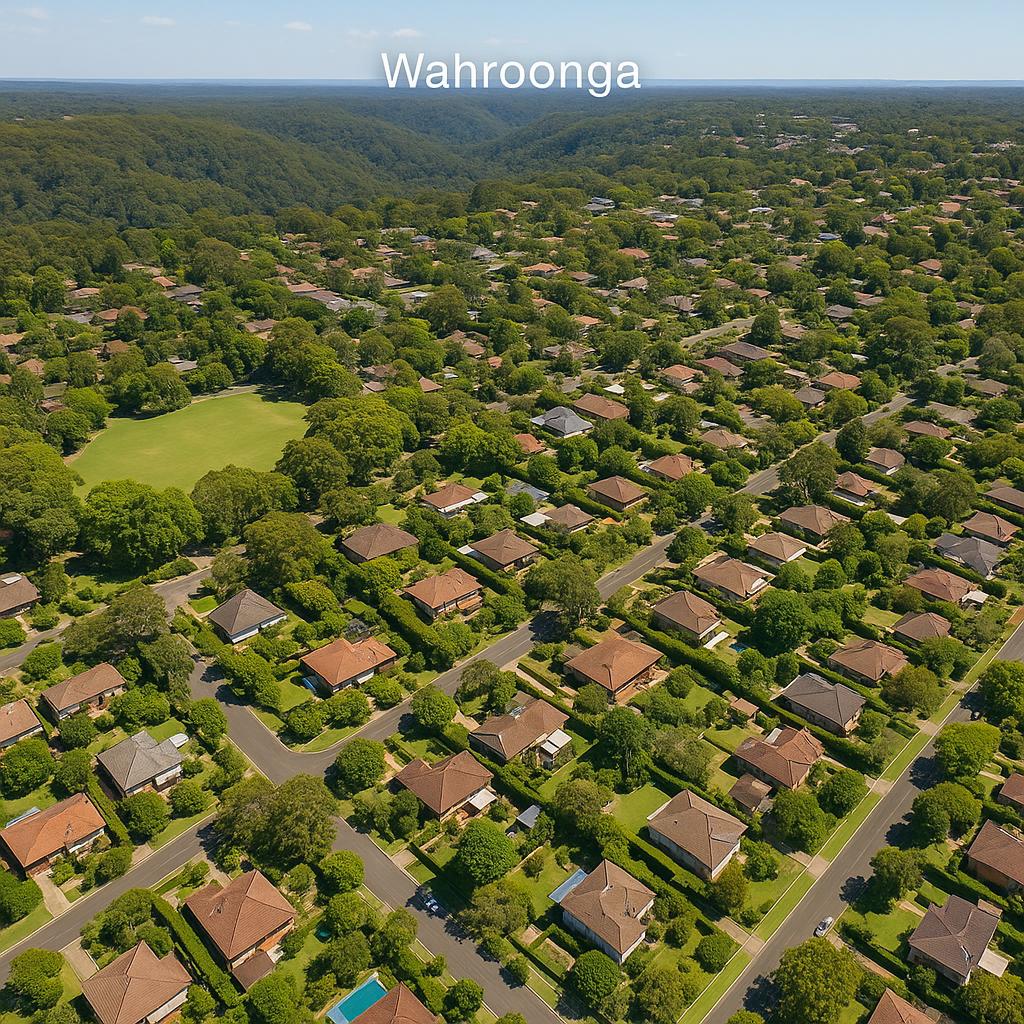
Wahroonga is a leafy suburb located in the Upper North Shore of Sydney, known for its family-friendly atmosphere and proximity to nature reserves. Historically, Wahroonga has developed as an affluent suburb with a mix of heritage and modern homes. The demographic profile includes families, professionals, and retirees, with a median age of around 40 years.
Investor view
Investors can consider Wahroonga for potential returns, as property values have shown resilience and steady appreciation over recent years. Rental demand remains strong due to the suburb’s appeal to families and professionals. Recent successes include investors achieving yields ranging from 3% to 5%, indicative of a stable rental market.
- Tip: First-time investors should focus on properties within the catchment of reputable schools, which can enhance rental demand.
Homeowner view
For homeowners, Wahroonga offers a spacious environment with abundant parks and recreational areas—ideal for families. One local family reported a seamless transition from urban living to Wahroonga, appreciating the local community and facilities.
- Advantage: Homeownership provides stability and potential capital gains over time.
Market drivers
The current economic landscape coupled with local government plans, such as the recent infrastructure upgrades to public transport, is likely to enhance property values. Developments planned for the near future include improved road connections and commercial facilities, increasing accessibility.
Cost of Living Breakdown
The average cost of living in Wahroonga includes utilities around $250 monthly, groceries approximately 15% higher than the Sydney average, with public transport costs varying based on usage. Comparing costs with nearby suburbs like Turramurra and Pymble reveals slightly higher rates in Wahroonga, primarily due to its premium housing market.
Transport & commute
Public transport options in Wahroonga are robust, with easy access to buses and trains connecting to Sydney CBD. Key commuting routes include the Pacific Highway and the M1 motorway, with travel times to the CBD typically around 35 minutes.
Property type guide
Property types in Wahroonga predominantly consist of single-family homes, with a growing number of townhouses and units catering to downsizers and investors. Factors to consider include:
- Family homes typically featuring larger blocks for outdoor space.
- Units and townhouses offer lower entry points into the market.
Rental market insights
The rental market in Wahroonga shows vacancy rates below 3%, reflecting a competitive landscape for tenants. Tenant demographics include families and professionals seeking stability and community connections in a suburban setting.
- Example: A recently leased four-bedroom home showcased an increase in rental yields due to high demand.
Schools & education
Wahroonga hosts several high-performing schools including Wahroonga Public School and Knox Grammar School, recognized for their academic excellence. Families often relocate to Wahroonga specifically for its educational offerings.
Lifestyle & daily life
Community life thrives in Wahroonga with a range of amenities, including parks, shops, and local events. Key attractions include the Wahroonga Village and local markets that provide fresh produce and community engagement opportunities.
Comparison with nearby suburbs
Wahroonga is comparable to nearby suburbs like Turramurra and Pymble, known for their family-oriented lifestyle and property values. However, Wahroonga slightly leads in terms of community amenities and natural attractions.
Future growth & development
Predictions for the next 5-10 years indicate potential for property values to increase, driven by infrastructural development and desirable lifestyle factors. Stakeholders are encouraged to monitor local council plans for updates on upcoming projects.
Safety & crime
Safety in Wahroonga is generally high, with crime rates lower than the Sydney average. Residents can stay informed through local police reports and community safety initiatives.
Who this suburb suits
Wahroonga primarily attracts families and professionals looking for quality education and community engagement. Key qualifying factors include higher income levels, a preference for spacious living, and a desire for suburban tranquility.
Due diligence checklist
- Research the local property market thoroughly.
- Evaluate school zones and their performance.
- Attend local open houses to gauge property conditions.
- Check local council plans for upcoming infrastructure projects.
- Consult with local real estate agents for insider knowledge.
Red flags & watch-outs
- Watch for properties that linger on the market; they may indicate underlying issues.
- Beware of overly aggressive pricing which could reflect market distortion.
FAQ
- What is the average property price in Wahroonga? Prices range significantly based on the property type, so consult recent listings on real estate platforms.
- How does the rent compare to nearby suburbs? Rental prices are competitive but often higher than surrounding areas like Turramurra.
- What amenities are best for families? The local schools, parks, and community centers are key aspects that families value.
Conclusion
Wahroonga presents a compelling case for both investors and homeowners, combining a rich community feel with ongoing growth potential and lifestyle appeal. Engaging in further research and local visits is highly recommended for those interested in making this suburb their home or investment choice.
Sources & how to verify
- NSW Government Education
- Australian Bureau of Statistics
- NSW Planning Portal
- Transport for NSW
- Local Council