
Quick Answer
The Riverstone property market is increasingly attractive for both investors and homeowners, thanks to its affordability, evolving infrastructure, and community-centric lifestyle. Investors can tap into emerging growth potential, while families appreciate the suburb’s amenities and accessibility.
Key Takeaways
- Developing infrastructure enhances Riverstone’s appeal.
- Rental yields often range from 3% to 5%, making it viable for investors.
- A community-focused suburb suited for first-time buyers and families.
Pros & Cons
Pros:
- Affordable housing options.
- Strong community vibe with local amenities.
- Ongoing developments enhancing lifestyle and access.
Cons:
- Commute times can be substantial for those working in Sydney.
- Evolving infrastructure may face delays.
Suburb Snapshot
Located in the Northwest Growth Area of Sydney, Riverstone is approximately 48 km from the Sydney CBD. Historically an agricultural area, it has seen significant residential development over the past decade, reflecting a shift towards suburban living.
Investor View
With a growing population, Riverstone offers promising investment potential. Recent capital growth trends suggest an upward trajectory in property values.
For example, consider a three-bedroom home purchased for $700,000, which could yield a rental income of $450 per week. This scenario illustrates a realistic expectation for investors.
Homeowner View
For families and first-time buyers, Riverstone presents a welcoming community. A recent family shared how moving to Riverstone transformed their daily lives, emphasizing the importance of local schools and parks.
Market Drivers
Economic growth, coupled with government initiatives, fuels demand for housing in Riverstone. Master planned communities and infrastructure upgrades, such as the Sydney Metro Northwest, significantly enhance the suburb’s marketability.
Cost of Living Breakdown
The average cost of living in Riverstone is relatively low. Housing costs typically range from $600,000 to $900,000, while utilities and groceries add an additional monthly expense of approximately $600.
Example monthly expense for a family of four:
- Mortgage: $2,800
- Utilities: $300
- Groceries: $600
- Transport: $400
- Childcare: $1,200
Total: **$5,300**
Transport & Commute
Riverstone is well-connected via rail and road. The Riverstone train station provides efficient access to central Sydney, making it a popular choice for commuters. However, peak travel times can result in longer commutes.
Property Type Guide
Riverstone offers diverse property types:
- Single-family homes: Suitable for families, typically featuring yards.
- Townhouses: Often more affordable, ideal for first-time buyers.
- Apartments: Limited but present, catering to investors and downsizers.
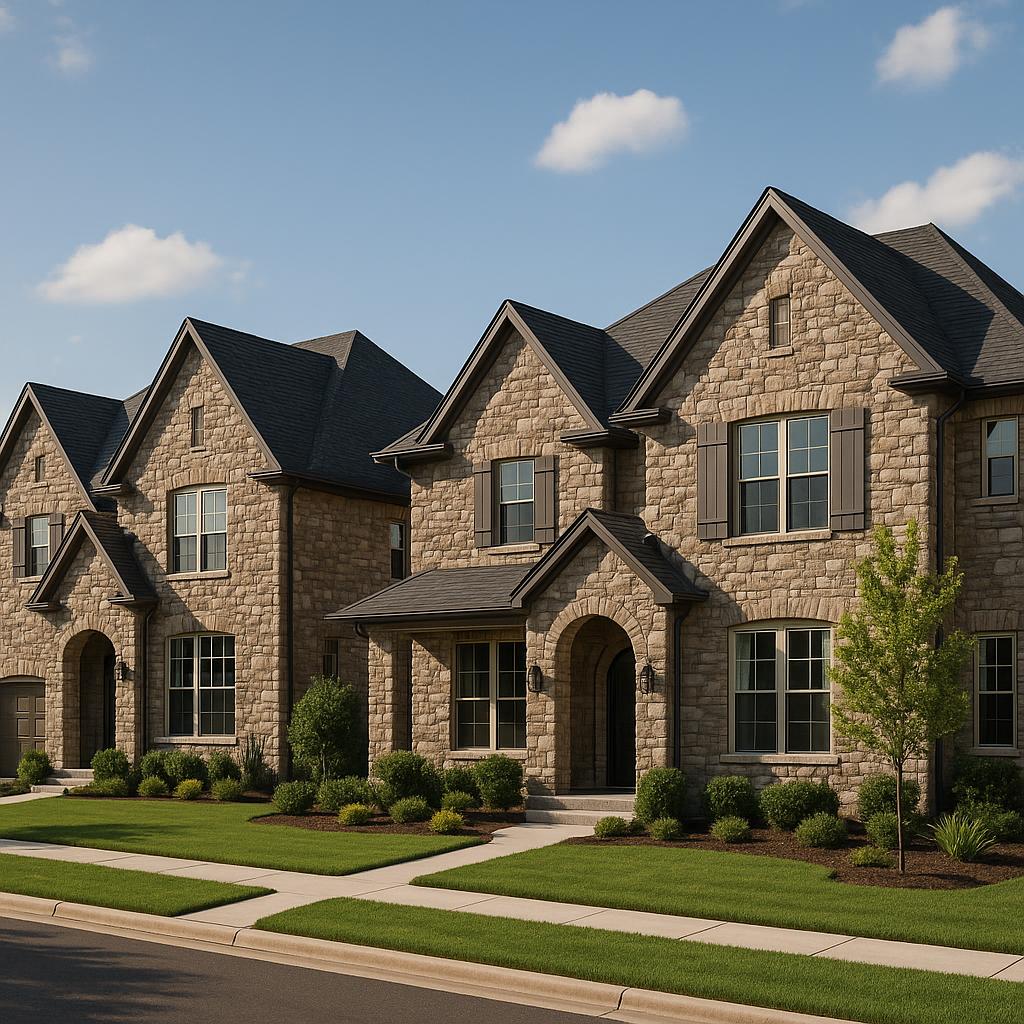
Visual examples can be found through property listings, showcasing the vibrant styles available in the area.
Rental Market Insights
Rental demand in Riverstone remains strong, with typical yields ranging from 3% to 5%. Investors exploring this market should consider two or three-bedroom homes that attract family tenants. One successful case is an investor achieving consistent returns by focusing on well-located properties near schools and public transport.
Schools & Education
Riverstone is home to reputable primary and secondary schools, including Riverstone Public School and Riverstone High School. Parents often benefit from community involvement in schools, fostering a strong support network.
Lifestyle & Daily Life
Residents enjoy a variety of local amenities, including parks, cafes, and community centres. A day for a Riverstone resident might include a morning coffee at a local café followed by a picnic at a nearby park.
Comparison with Nearby Suburbs
When compared to suburbs like Schofields and The Ponds, Riverstone stands out for its affordability and established community feel. Homebuyers may prefer Riverstone for the balance of price and amenities it offers.
Future Growth & Development
Upcoming developments, including retail centres and housing projects, are set to further boost Riverstone’s attractiveness. Monitoring local council announcements can provide insights into expected growth trends.
Safety & Crime
Riverstone generally experiences lower crime rates than averages for greater Sydney. Local police resources and community programs contribute to a safe living environment. Residents feel secure walking at night, a commonly shared sentiment.
Who This Suburb Suits
Families, young professionals, and retirees can all find something to love in Riverstone. Its varied property types and community-centric approach suit diverse demographics.
Due Diligence Checklist
- Research recent sales data and rental yields.
- Explore local amenities and transport options.
- Visit schools and childcare centres.
- Evaluate long-term development plans.
- Consult with local real estate agents for insights.
Red Flags & Watch-Outs
- Be wary of over-optimistic growth predictions.
- Understand potential changes in infrastructure projects.
- Avoid properties with unresolved maintenance issues.
FAQ
- What is the average property price in Riverstone?
As of now, typical prices range from $600,000 to $900,000, but market conditions can vary. Always verify with recent data.
- What schools are available in Riverstone?
Riverstone offers several primary and secondary schools, which families generally praise for their educational quality.
- How accessible is public transport?
Riverstone is well-serviced by rail with frequent services to Sydney, providing convenient access for commuters.
- What is the rental demand like?
Rental demand is steady, driven by families and commuters seeking affordable housing options.
- Are there any planned infrastructure projects?
Ongoing upgrades in infrastructure are anticipated; check local council sources for detailed information.
Conclusion
Riverstone’s property market presents an enticing opportunity for both investors and homeowners. With its growing community and ongoing developments, the suburb promises sustainability and growth in the years to come.