Quick Answer
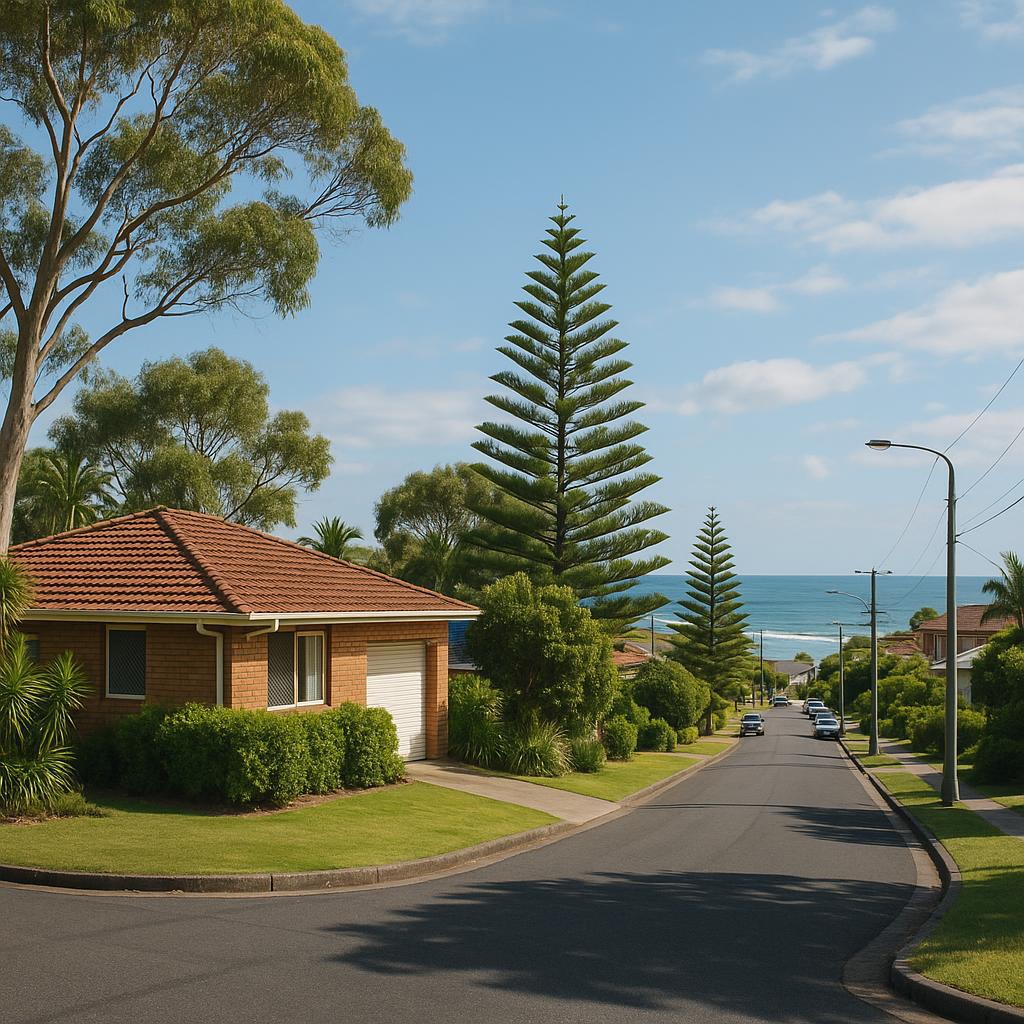
Port Macquarie is a coastal regional market with strong lifestyle appeal, a broad owner-occupier base, and investor interest driven by constrained supply in the most desirable pockets. It tends to suit buyers who want a practical sea-change location rather than a speculative play. The best outcomes usually come from buying for location quality, dwelling condition, and low-maintenance liveability, not from chasing the cheapest advertised price.
Port Macquarie generally suits owner-occupiers, downsizers, and long-term investors who value lifestyle, healthcare access, and day-to-day convenience. First-home buyers may find opportunities, but pocket selection matters because performance can vary sharply between beach-adjacent, central, and fringe locations. For investors, the most defensible approach is to focus on tenant demand, build quality, and risk management rather than assuming every coastal property will outperform.
Key Takeaways
- Port Macquarie is best understood as a micro-market, where street-level access and amenity proximity can matter more than suburb-wide averages.
- Its strongest demand often comes from buyers seeking a coastal lifestyle without giving up everyday convenience, healthcare, and services.
- Well-located homes with practical layouts, good parking, and manageable maintenance tend to hold wider appeal over time.
- Investors should assess tenant profile, insurance exposure, and likely upkeep before focusing on headline rental assumptions.
- The safest strategy is usually to buy a property that suits a defined use case: family living, downsizing, or long-term rental stability.
Pros
- Strong lifestyle appeal with beaches, river access, and a relaxed regional-city feel.
- Broad demand base from families, retirees, downsizers, and practical lifestyle buyers.
- Good everyday amenity compared with many smaller coastal markets.
Cons
- Performance can vary materially between pockets, so a “good suburb” does not guarantee a good purchase.
- Coastal exposure can increase maintenance, insurance, and long-term ownership complexity.
- Some properties appeal to a narrow buyer pool, which can reduce resale flexibility.
Market Overview
Port Macquarie is a coastal regional centre on the Mid North Coast of NSW, and that status shapes the market more than the suburb name alone. It is not a uniform market: beach-oriented streets, established family pockets, and fringe areas can behave very differently in terms of buyer depth, price resilience, and tenant appeal.
For buyers, the practical question is whether the property supports your daily life or investment strategy. Homes with sensible layouts, lower upkeep, and easy access to amenities often command stronger interest than larger homes that look attractive but are harder to live in or lease.
That makes Port Macquarie useful for both lifestyle buyers and disciplined investors, provided they assess local fundamentals carefully. In this type of market, location quality and property condition tend to matter more than cosmetic features or broad regional commentary.
Buyer Demand
Demand is typically driven by a mix of owner-occupiers, downsizers, retirees, families, and some interstate or intrastate sea-change buyers. Each group values different things, but they overlap on convenience, low-maintenance living, and a sense of long-term comfort.
That can be an advantage for sellers and landlords because a wider buyer pool usually supports liquidity. For buyers, it means the most desirable stock is often the practical stock: homes that are easy to maintain, easy to access, and easy to picture living in for years rather than months.
Rental Market
The rental market is generally supported by a mixed tenant base, including families, healthcare-adjacent workers, professionals, and relocators who want a coastal regional lifestyle. That diversity can help reduce dependence on one tenant segment.
Investors should still test demand at the pocket level. A neat, well-located dwelling with parking, storage, and simple maintenance is usually more attractive to tenants than a larger property that is less convenient or more expensive to run.
Lifestyle, Transport & Schools
Port Macquarie’s lifestyle appeal comes from its beaches, river setting, walking opportunities, and access to everyday services without the intensity of a major metro area. That matters because many buyers here are choosing a whole-life location, not just a house.
Transport is largely car-based for daily movement, so access, parking, and route convenience are important. Buyers should think about how the property works for school runs, shopping, medical appointments, commuting, and weekend routines, not just how it photographs online.
Schools can influence both family buyers and tenants, but practical access often matters as much as reputation. Families usually respond well to homes that reduce daily friction, such as manageable drive times, safe street access, and proximity to routine destinations.
Port Macquarie Suburb Profile
Official 2021 Census snapshot for the ABS Suburbs and Localities geography.
Age profile
Housing tenure
Occupied private dwellings by tenure type.
Salary & income profile
Median total income reported in the Census.
*Annual figures are weekly median × 52 estimates, not separate ABS annual medians.
Education & qualifications
Highest educational attainment, people aged 15+.
Employment status
People aged 15+ who reported being in the labour force.
Industry of employment
Top responses among employed people aged 15 years and over.
Occupation profile
Broad occupation groups among employed residents, including managers.
Property Type Guide
- Detached homes: Best for families and long-term hold buyers, especially where land, drainage, and future flexibility are sound.
- Established homes: Can offer strong value if the layout, maintenance history, and location match local demand.
- Units/apartments: Can suit buyers wanting convenience and lower upkeep, but check strata costs and buyer depth carefully.
- Townhouses: Often appeal to downsizers and investors seeking a balance between space and manageability.
- Renovation candidates: Worth considering only if the location is strong enough to support the extra works and holding costs.
Risks & Watch-Outs
- Check flood, drainage, and storm exposure carefully, especially in lower-lying or coastal-adjacent areas.
- Do not assume every attractive-looking property has strong resale depth or broad tenant appeal.
- Older homes may carry hidden maintenance issues that are not obvious from a casual inspection.
- Insurance and ongoing upkeep can materially change the economics of coastal ownership.
- Avoid overcapitalising on upgrades that do not align with local buyer expectations.
Nearby Suburbs to Compare
Useful nearby comparisons include Point Clare, Tumbi Umbi, Nowra, and Kiama. If you are comparing lifestyle, convenience, and maintenance burden, these markets can help you judge whether Port Macquarie is the best fit for your budget and strategy.
FAQ
Is Port Macquarie good for first-home buyers?
It can be, but first-home buyers need to be selective about pocket, property type, and ongoing costs. Entry opportunities may exist in less premium locations, but the real test is whether the property is livable, financeable, and easy to maintain over time.
Is Port Macquarie better for owner-occupiers or investors?
It is often especially attractive to owner-occupiers because lifestyle and amenity matter so much here. Investors can still do well, but they need to focus on tenant fit, maintenance risk, and resale depth rather than assuming coastal location alone will drive results.
What property type is usually the safest choice?
There is no universal safest choice, but well-located established homes and low-maintenance dwellings often provide the broadest appeal. The right answer depends on whether your priority is family living, downsizing, or a stable rental strategy with manageable upkeep.
What should investors check before buying?
Investors should assess tenant demand, insurance considerations, drainage or flood exposure, building condition, and the likely depth of resale demand. The best property is not always the cheapest; it is the one that aligns with the local market’s actual buyer and tenant behaviour.
What are the biggest mistakes buyers make in Port Macquarie?
The most common mistake is overgeneralising the suburb. Buyers sometimes assume all coastal properties are equally desirable, but local demand can change sharply by street, access, elevation, and property type. Another error is ignoring maintenance and insurance implications.
Conclusion
Port Macquarie offers a strong mix of lifestyle, amenity, and long-term liveability, which makes it appealing to both homeowners and investors. The key is to buy with specificity: understand the pocket, match the property type to your goal, and treat maintenance and access as core investment factors, not afterthoughts.
Sources & How to Verify
- Check current listings and recent sold examples on Domain to confirm what similar properties are actually achieving in your target pocket.
- Review current rental listings on realestate.com.au to test tenant demand, property type preferences, and asking-rent competition.
- Use ABS data to understand broader regional context, but avoid using it as a substitute for street-level market research.
- Check planning and zoning information through the NSW Planning Portal before assuming a property’s future use or redevelopment potential.
- Review local infrastructure, development, and council updates on the Port Macquarie-Hastings Council website to understand nearby works or planning changes.
- Confirm school options through the NSW School Finder so you can verify catchments and practical access rather than relying on assumptions.
- Inspect flood and hazard mapping, then compare it with a building and pest report so you can separate mapped risk from property-specific condition.
- Ask local agents and property managers about tenant preferences, days-on-market patterns, and maintenance concerns because those details often reveal more than broad market commentary.
General information only. This is not financial or legal advice.
Sources & How to Verify
- Check current listings and sold examples on Domain to verify price positioning in your preferred pocket.
- Review active rentals on realestate.com.au to confirm what tenants are competing for right now.
- Use ABS for broad demographic context, then validate it against local buyer and tenant behaviour.
- Check zoning and planning controls on the NSW Planning Portal before assuming renovation or redevelopment potential.
- Review local updates on the Port Macquarie-Hastings Council website to understand nearby works, approvals, and local planning issues.
- Use the NSW School Finder to verify school access and catchment-related considerations for family buyers.
- Ask a licensed building inspector to check for moisture, drainage, and structural issues, especially in older or coastal-exposed homes.
- Speak with local property managers to test tenant demand, maintenance expectations, and the likely appeal of your chosen property type.