Quick Answer
Dubbo’s property market in 2026 presents a compelling mix of opportunities for both investors and homeowners, driven by population growth, affordable housing options, and strong rental demand. As the town continues to develop its infrastructure, these factors could enhance property values over time.
Key Takeaways
- Dubbo is emerging as a regional hub with growing interest from both investors and homebuyers.
- Key amenities and location will significantly influence property values and desirability.
- Understanding regional trends plays a crucial role in investment decisions.
Pros & Cons
Pros
- Affordable property prices compared to metro areas, making it an attractive option for first-time buyers and investors.
- Strong rental demand coupled with lower vacancy rates creates opportunities for steady rental income.
- Emerging infrastructure developments are likely to enhance livability and property values.
Cons
- Potential market fluctuations can pose risks, especially for short-term investors.
- Immediate capital growth may be limited compared to larger metropolitan areas.
- Changes in regional policies can impact investment stability and attractiveness.
Suburb snapshot
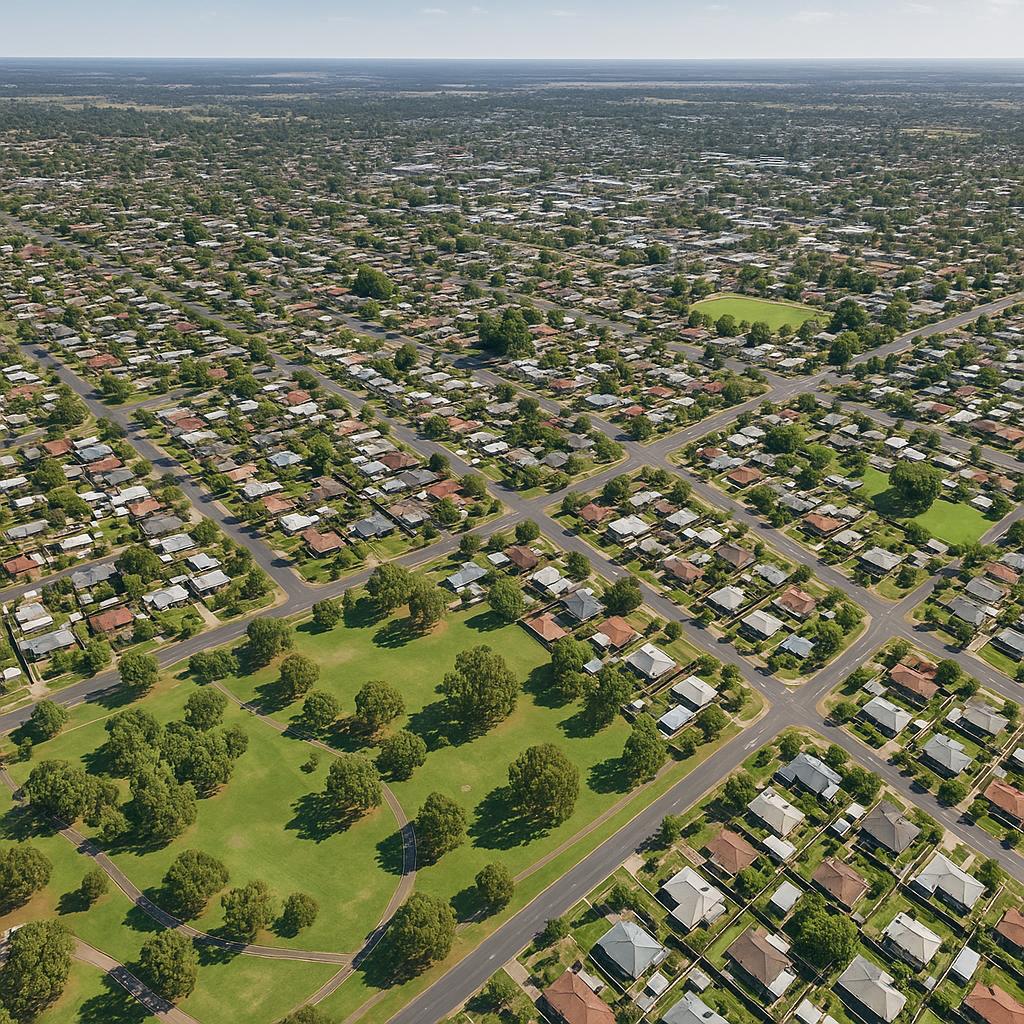
Dubbo is located in north-western New South Wales, historically known for its agricultural significance. Today, it features a mix of residential communities and offers amenities such as parks, shopping centres, and cultural attractions. The current demographic profile indicates a balanced mix of families and retirees, generally comprising individuals aged 30-60, with most engaging in local services and industries.
Investor view
Investors find Dubbo appealing for its rental yield potential and affordability. In particular, properties near schools and transport hubs tend to attract stable tenants. Long-term investment in Dubbo is considered viable, especially as ongoing infrastructure projects enhance the region’s appeal. An investor profile might focus on family-oriented rentals, corroborated by increasing families moving into the area.
Homeowner view
Families and retirees value Dubbo’s community-oriented lifestyle, strong sense of belonging, and access to outdoor activities. Homeownership benefits include a family-friendly environment with support systems such as local clubs and community events, making it an attractive option for those looking to settle long term.
Market drivers
Dubbo’s economy is bolstered by sectors like healthcare, education, and retail, with a gradual rise in local employment rates. Population growth rates indicate a steady influx of new residents, driven partly by the region’s appealing lifestyle and lower cost of living. Additionally, upcoming infrastructure projects, including transport enhancements and public facilities, could propel further growth.
Cost of Living Breakdown
While housing costs in Dubbo remain competitive when compared to major metro areas, it’s essential to consider the cost of living holistically. Essential living expenses, including groceries and utilities, are generally moderate but can fluctuate. For accurate cost comparisons, utilizing local resources such as the NSW Government or ABS is recommended.
Transport & commute
Public transport options include buses connecting various parts of Dubbo, with reasonable average commute times to the city and surrounding locales. For those commuting to larger cities, access to the Newell Highway provides routes for driving south towards larger capitals.
Property type guide
Dubbo offers a variety of property types, including standalone houses, townhouses, and some units. Demand is particularly high for family homes with yards, which appeal to the suburban lifestyle. Investors should consider properties that can accommodate larger families, reflecting the demographic trends.
Rental market insights
Rental yields in Dubbo are promising, with consistent demand for both established homes and newer builds. Prospective investors should analyze vacancy rates to ensure they are investing in areas of high demand. Often, houses offering additional amenities or close proximity to schools and parks experience lower vacancies.
Schools & education
Dubbo hosts several reputable educational institutions, ranging from primary through to secondary schools. These options play a significant role in investment decisions, as parents prioritize proximity to schools when purchasing homes. Resources such as the NSW Government School Finder can assist in making informed choices.
Lifestyle & daily life
Community life in Dubbo thrives through various events and recreational activities. From sports clubs to art exhibitions and local festivals, Dubbo balances urban conveniences with a relaxed rural lifestyle. Prospective buyers should assess how these lifestyle offerings align with their personal and family needs.
Comparison with nearby suburbs
In comparison to nearby suburbs like Orange and Albury, Dubbo often presents more affordable property options with similar lifestyle benefits. Evaluating amenities, transport, and school accessibility can help buyers make informed decisions and choose the most suitable suburb for their needs.
Future growth & development
Upcoming developments, including public amenities and transportation improvements, suggest a positive trajectory for Dubbo’s property values over the next 5-10 years. Investors should remain vigilant about announcements from local councils and planning bodies to capitalize on growth opportunities.
Safety & crime
Crime rates in Dubbo can vary by area. For a precise understanding of safety, prospective buyers should consult local law enforcement or resources such as the NSW Police. Community safety initiatives contribute positively to the perception of safety within the suburb, fostering an inviting environment.
Who this suburb suits
Dubbo suits families seeking community engagement and retirees desiring a quieter lifestyle. First-time buyers may benefit from lower housing costs, but those seeking significant capital growth might need to consider their long-term investment strategies carefully due to slower growth expectations.
Due diligence checklist
- Research local council regulations and zoning laws.
- Verify the property’s condition with a thorough inspection.
- Assess the local rental market, vacancy rates, and yields.
- Visit during different times of the week to gauge community activity.
- Consult with local real estate agents for current market insights.
Red flags & watch-outs
- Monitor shifts in population trends that may indicate future market stability.
- Be cautious of properties in areas with high turnover rates.
- Stay informed about local infrastructure projects that could affect property values.
- Assess environmental concerns that may impact specific suburbs.
FAQ
- What are the average rental prices in Dubbo? Rental prices can vary, so consult local real estate portals for updated listings.
- Is Dubbo a good place for first-time homebuyers? Yes, Dubbo’s affordability makes it attractive for first-time buyers.
- What types of properties are available in Dubbo? Properties range from houses to townhouses and apartments.
- How can I verify safety levels in the suburb? Consult data from NSW Police for accurate crime rates.
- What is the community life like in Dubbo? Dubbo offers an engaging community with plenty of recreational events.
- How are schools in Dubbo? There are several options for quality education; resources like the NSW Government School Finder can help.
- What are the key points for investors to watch out for? Monitor the evolving infrastructure projects and any local market shifts.
Conclusion
Dubbo’s property market stands out in 2026 for its unique appeal to investors and homeowners alike. By focusing on community, affordability, and future growth potential, prospective buyers can navigate the market effectively and make informed decisions.
Sources & how to verify
- NSW Government
- Australian Bureau of Statistics
- NSW Police
- NSW Government School Finder
- Dubbo Regional Council
- Realestate.com.au
- Domain