Quick Answer
Armidale NSW is a regional university-and-services market that can suit both owner-occupiers and long-term investors when you focus on fundamentals rather than short-term hype. It tends to reward buyers who match the property to the likely end user: family home, student-friendly rental, or low-maintenance investment. The best outcomes usually come from checking location, condition, and resale appeal together, then comparing the property against nearby alternatives and current local listings.
Key Takeaways
- Armidale is usually better assessed as a steady regional market than a rapid speculation market.
- Demand is shaped by education, health, government, local services, and household buyers seeking space.
- The right property depends on whether you want to live in it, rent it, or renovate it.
- Street-by-street differences matter more here than broad suburb labels or generic price assumptions.
- Always verify current rental evidence, maintenance needs, and resale demand before making an offer.
Pros & Cons
Pros
- Regional lifestyle with a calmer pace and strong community identity.
- Diverse tenant base tied to education, health, and essential local employment.
- Potential for better space and land value than many metro alternatives.
Cons
- Market depth can be thinner than in larger NSW centres.
- Older housing stock may require more maintenance and planning.
- Rental and resale demand can vary sharply by location and property type.
Market Overview
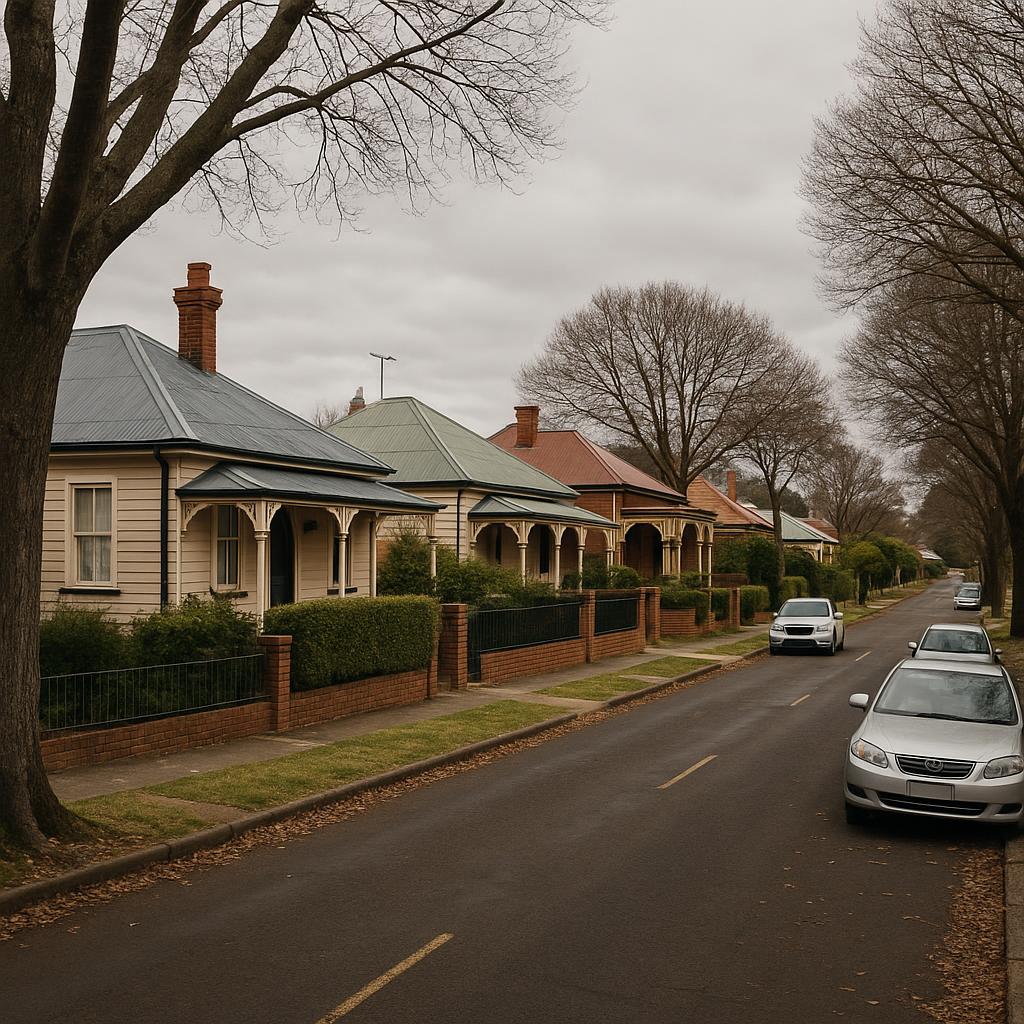
Armidale is a regional centre with a mix of heritage streets, university influence, and everyday service demand. That combination makes it more nuanced than a simple “country town” label: some properties appeal strongly to families and owner-occupiers, while others suit students, staff, or investors looking for practical rental appeal.
In suburb-profile terms, the market tends to reward properties that are easy to live in, easy to maintain, and located close to the amenities people use most often. Buyers should expect meaningful variation from street to street, especially where housing age, presentation, and access to town services differ.
For investors, the key is not just whether Armidale is “affordable” or “regional”, but whether a specific dwelling fits a clear tenant profile. For homeowners, the question is whether the property still feels practical in five to ten years, not just whether it looks good at inspection.
Buyer Demand
Buyer demand in Armidale typically comes from a blend of owner-occupiers, first-home buyers, families, and investors. That mix can support resilience, but it also means each buyer type is looking for something different, from low-maintenance convenience to character and land.
Strong demand usually shows up in well-presented homes with straightforward layouts, sensible upkeep, and convenient access to daily essentials. If you are comparing options, a property that feels “ordinary” but is easy to live in can often outperform a prettier home with hidden maintenance or poor usability.
Rental Market
The rental market can appeal to students, staff, families, and essential workers, which is useful for investors wanting broader tenant depth. A diversified tenant pool does not remove risk, but it can reduce over-reliance on one seasonal or narrow demand source.
What tends to matter most is fit: bedroom count, parking, easy-care outdoor space, and condition. Investors should verify current asking rents and vacancy signals through live listings rather than assuming the property will perform because it is in a regional centre.
Lifestyle, Transport & Schools
Armidale’s lifestyle appeal is built around regional pace, community identity, and relative space. That suits buyers who want less congestion and more practicality, but it still pays to check whether the property is convenient for everyday errands, school runs, and commuting around town.
Transport is more about local accessibility than metro-style connectivity. Buyers should assess road access, travel time to key precincts, parking, and how the location works in winter or during peak routine hours. Those details can matter as much as headline location.
Education is a meaningful part of the area’s profile, both for families and for rental demand. If schooling is important to your purchase, verify catchments, enrolment rules, and current information directly through official NSW sources rather than relying on assumptions or outdated advice.
Armidale Suburb Profile
Official 2021 Census snapshot for the ABS Suburbs and Localities geography.
Age profile
Housing tenure
Occupied private dwellings by tenure type.
Salary & income profile
Median total income reported in the Census.
*Annual figures are weekly median × 52 estimates, not separate ABS annual medians.
Education & qualifications
Highest educational attainment, people aged 15+.
Employment status
People aged 15+ who reported being in the labour force.
Industry of employment
Top responses among employed people aged 15 years and over.
Occupation profile
Broad occupation groups among employed residents, including managers.
Property Type Guide
- Detached houses: Often the broadest fit for families and long-term renters, especially when the layout is practical and the upkeep is manageable.
- Older character homes: Can offer charm and stronger emotional appeal, but buyers should budget for ongoing maintenance and possible upgrades.
- Units and smaller dwellings: May suit buyers seeking lower-maintenance ownership or investors wanting simpler upkeep and easier tenancy management.
- Renovation candidates: Can add value if the structure is sound and the buyer has a realistic budget for trades, time, and contingencies.
Risks & Watch-Outs
- Do not assume every part of Armidale has the same demand; location quality can change quickly across a few streets.
- Older homes can look attractive while hiding costly issues in roofing, plumbing, insulation, or general maintenance.
- Rental appeal depends on fit, not just appearance, so check whether the property suits the tenant group you want to attract.
- Be careful with renovation optimism; value-add only works when the purchase price, works budget, and resale audience all line up.
- Verify site-specific risks such as drainage, flood exposure, and planning constraints before committing to a contract.
Nearby Suburbs to Compare
- Armidale East
- Armidale West
- Ben Venue
- Hillgrove
- Uralla
- Guyra
FAQ
Is Armidale a good place to buy as an owner-occupier?
It can be, especially if you want a regional lifestyle with a practical community feel and easier access to space than many metro markets. The best owner-occupier choices are usually homes that balance liveability, maintenance, and convenience rather than chasing prestige.
Is Armidale suitable for property investors?
Yes, provided you treat it as a location-driven market and not a generic yield play. Investors should focus on tenant profile, property condition, and day-to-day convenience, because a good rental outcome depends on matching the dwelling to local demand.
What type of property is easiest to rent?
Usually the easiest rentals are neat, low-maintenance homes with sensible layouts, parking, and access to amenities. In Armidale, broad appeal often matters more than novelty, so presentation and practicality can outperform an overcapitalised “special” property.
What should I check before buying in Armidale?
Check the immediate street context, building condition, likely maintenance costs, and the property’s future resale audience. Also verify planning overlays, drainage or flood considerations where relevant, and current market evidence from live listings rather than old headlines.
How do I compare Armidale with nearby areas?
Compare lifestyle, housing stock, upkeep, and the kind of buyer or tenant each area attracts. A nearby suburb may be better if you want lower maintenance, different price discipline, or a more suitable long-term tenant base for your strategy.
Conclusion
Armidale can work well for both buyers and investors when the property is chosen with discipline. The strongest decisions usually come from understanding the local demand mix, inspecting the property’s condition honestly, and comparing the asset against nearby options before buying. In this market, practical fit matters more than hype.
Sources & How to Verify
- Check current sales evidence on Domain so you can compare asking prices with live comparable listings and recent sold behaviour.
- Review rental supply on realestate.com.au to see what property types are actually being advertised and how quickly listings appear to move.
- Use the Australian Bureau of Statistics to verify demographic and household context before making assumptions about tenant or buyer demand.
- Check planning and land-use information through the NSW Planning Portal if you want to confirm zoning, approvals, or any development constraints.
- Confirm school boundaries and enrolment details with the NSW public school finder rather than relying on third-party summaries.
- Look up local transport and road access on Transport for NSW if commute convenience or route planning matters to your decision.
- Speak with local agents and compare multiple recent inspections to verify which streets, layouts, and dwelling types are currently most contestable.
- Always inspect flood, drainage, and maintenance issues in person or through a qualified professional so you are not relying on broad suburb reputation alone.