Quick Answer
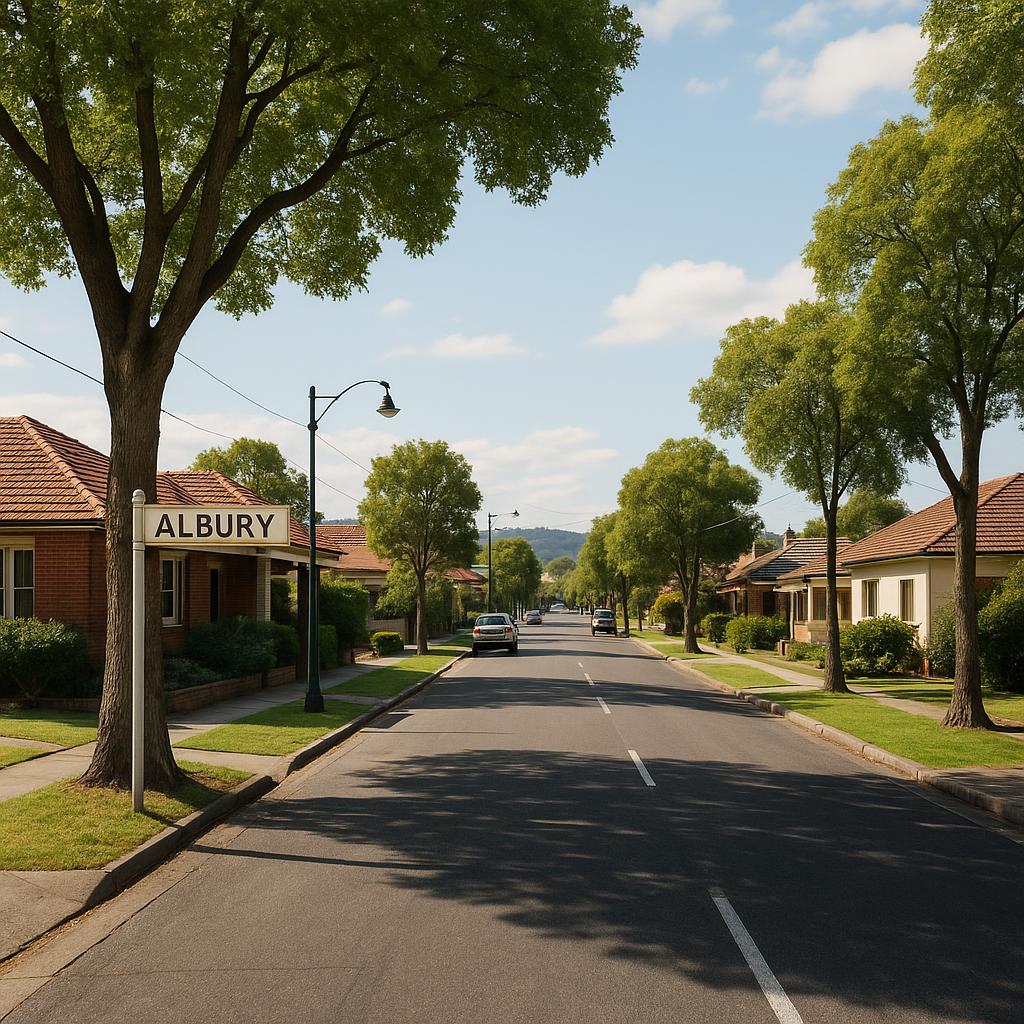
Albury NSW is a strong regional-city market for buyers who want real amenity, not just affordability. It suits owner-occupiers, investors, downsizers, and first-home buyers who value schools, healthcare, transport access, and a broad local economy. The best results usually come from buying in the right pocket for your goal rather than chasing the lowest price. In Albury, street quality, property type, and everyday convenience often matter more than headline suburb labels.
Key Takeaways
- Albury offers a regional-city lifestyle with stronger service depth than many smaller NSW centres, which broadens buyer appeal.
- Demand is supported by healthcare, education, logistics, government, retail, and cross-border activity with Wodonga.
- Well-located homes near services usually have the broadest resale depth and the most practical rental appeal.
- Older houses can offer land value and renovation upside, but maintenance and drainage should be checked carefully.
- Buyers should compare pockets, not just suburbs, because convenience and desirability can change street by street.
Pros & Cons
Pros
- Strong regional amenity with hospitals, education, retail, and daily services.
- Broad buyer profile, which can support resale and rental demand.
- Diverse housing stock, from character homes to newer low-maintenance options.
Cons
- Micro-location matters a lot, so the wrong street can weaken value and tenant appeal.
- Older stock may need ongoing spending on upkeep, compliance, and presentation.
- Regional performance can be more sensitive to local conditions than a major metro market.
Market Overview
Albury is a major regional centre on the NSW-Victoria border, closely linked with Wodonga and the wider border economy. It is best understood as a service hub rather than a single-purpose commuter market, which is why housing demand comes from a mix of families, professionals, key workers, downsizers, and investors.
The local market is not one flat story. Central, established, and newer-growth areas all behave differently depending on access to the CBD, hospitals, schools, employment nodes, and major roads. In practice, the strongest properties tend to be those that solve everyday life well and remain easy to sell or lease across different market conditions.
For buyers, that means looking beyond a suburb name and assessing liveability, land value, condition, and street presentation. For investors, it means favouring properties with broad tenant appeal and manageable maintenance rather than chasing the cheapest entry point.
Buyer Demand
Buyer demand in Albury is driven by people who want a practical balance of space, amenity, and access to work. Families often prioritise everyday convenience, while first-home buyers and upgraders compare Albury with metro affordability and lifestyle trade-offs. That creates demand for both established homes and newer, lower-maintenance stock.
The most resilient demand usually sits where multiple buyer groups can compete for the same property. A tidy home near services may appeal to both an owner-occupier and an investor, while a more isolated or awkwardly configured property can have a narrower market. That difference matters when you eventually resell.
Rental Market
Albury’s rental market is supported by local employment, household mobility, and the needs of workers who value convenience and low upkeep. Typical tenants may include healthcare staff, professionals, families, and relocators who want a home that reduces commuting hassle and daily friction.
For investors, the key is not just whether a property can be rented, but how easily it can be kept occupied by reliable tenants. Easy-care layouts, functional parking, good heating and cooling, and a sensible location usually matter more than marginal differences in advertised rent. If you want to verify current rent levels, check live listings and recent leased evidence before making a purchase assumption.
Lifestyle, Transport & Schools
Albury offers a regional city lifestyle with cafes, retail, sporting facilities, healthcare, and community services. That makes it attractive to buyers who want convenience without capital-city intensity. For many households, the strongest lifestyle draw is simply the ability to manage work, school, shopping, and recreation without long drives.
Transport practicality matters because many residents move across the Albury-Wodonga region for work and services. Road access is important, but traffic exposure can also reduce liveability, so buyers should inspect travel patterns at different times of day. Rail and air access add flexibility for some households, especially those who travel regularly for work or family reasons.
School access and family convenience can materially influence demand in certain pockets, even if the property itself is otherwise similar. In regional markets, the home that shortens the school run and simplifies weekly logistics often has stronger emotional and practical appeal than a slightly cheaper alternative further out.
Albury Suburb Profile
Official 2021 Census snapshot for the ABS Suburbs and Localities geography.
Age profile
Housing tenure
Occupied private dwellings by tenure type.
Salary & income profile
Median total income reported in the Census.
*Annual figures are weekly median × 52 estimates, not separate ABS annual medians.
Education & qualifications
Highest educational attainment, people aged 15+.
Employment status
People aged 15+ who reported being in the labour force.
Industry of employment
Top responses among employed people aged 15 years and over.
Occupation profile
Broad occupation groups among employed residents, including managers.
Property Type Guide
- Houses: Often suit families and long-term holders who want land value, outdoor space, and renovation flexibility.
- Units and townhouses: May suit downsizers, first-home buyers, and investors wanting simpler upkeep and easy tenancy appeal.
- Older character homes: Can offer strong street presence and upside, but only if maintenance, layout, and site conditions stack up.
- Newer homes: Often appeal to busy households and investors who prefer lower maintenance and more predictable ownership costs.
- Fringe or lifestyle properties: Can provide space and privacy, but may have a narrower resale pool and more due diligence risk.
Risks & Watch-Outs
- Not every Albury pocket performs the same, so a cheaper property can be weaker value if the street feels compromised.
- Older homes can hide expensive issues in roofing, plumbing, insulation, drainage, or general wear.
- Site conditions and water movement matter, so check flood, drainage, and terrain considerations before committing.
- Rental demand is broad, but specialised homes or awkward layouts may take longer to lease or resell.
- Regional markets can be sensitive to local employment shifts, so avoid assuming recent momentum will continue unchanged.
Nearby Suburbs to Compare
Comparing nearby areas helps you separate convenience, housing stock, and buyer fit. Useful reference points include Wagga Wagga NSW Property Market Guide: Buyers & Investors, Bathurst NSW Property Market Guide: Buyers & Investors, Orange NSW Property Market Guide: Buyers & Investors, Dubbo NSW Property Market Guide: Buyers & Investors, and Maitland NSW Property Market Guide: Buyers & Investors. Within Albury itself, compare Central Albury, East Albury, North Albury, Lavington, and Thurgoona for very different levels of convenience, housing age, and buyer appeal.
FAQ
Is Albury NSW a good place to buy property?
It can be, especially if you want a regional city with real services and a broad buyer base. The strongest purchases usually come from well-located homes that suit daily life, not just the lowest advertised price.
Is Albury good for property investors?
Often yes, provided you focus on tenant-friendly properties and practical locations. Investors should prioritise durable homes near employment, services, and transport links, because that usually supports easier leasing and lower vacancy risk.
What type of buyer suits Albury best?
Albury suits families, professionals, downsizers, and first-home buyers who want convenience without metro pricing pressure. It also suits investors who value broad demand and a market with multiple tenant groups rather than a single industry.
What property types are most useful to compare?
Houses, units, townhouses, and newer builds all have a place in Albury. Houses often appeal for land value and flexibility, while low-maintenance dwellings can suit investors or downsizers who want simpler ownership and easier upkeep.
What should buyers watch out for in Albury?
Focus on street quality, building condition, drainage, and proximity to the amenities that matter to your goal. Two homes in the same suburb can perform very differently if one has better access, presentation, and long-term resale depth.
Conclusion
Albury is a practical regional market with genuine liveability, diverse demand, and a housing mix that suits both homeowners and investors. The best decisions come from matching property type and location to your goal, then checking the street-level detail carefully. If you buy with discipline, Albury can offer long-term usefulness rather than short-term noise.
Sources & How to Verify
- Check current sold prices, days on market, and active listings on Domain so you are working from live evidence rather than stale price assumptions.
- Review recent comparable sales and suburb-level market trends on realestate.com.au to understand how different pockets and property types are moving.
- Use the NSW public school finder to confirm school zones and enrolment boundaries directly before relying on assumptions.
- Check zoning, planning controls, and development constraints through the NSW Planning Portal before buying a property with renovation or redevelopment potential.
- Review local demographics and household structure on ABS to better understand the type of residents and households that support local demand.
- Use the AlburyCity Council website to check planning information, local services, and any place-based updates that may affect a property decision.
- Confirm transport options and any service changes through Transport for NSW so you understand practical access, not just map distance.
- Before buying, arrange a building and pest inspection and, where relevant, verify flood and drainage considerations with the appropriate official sources so you do not inherit costly surprises.