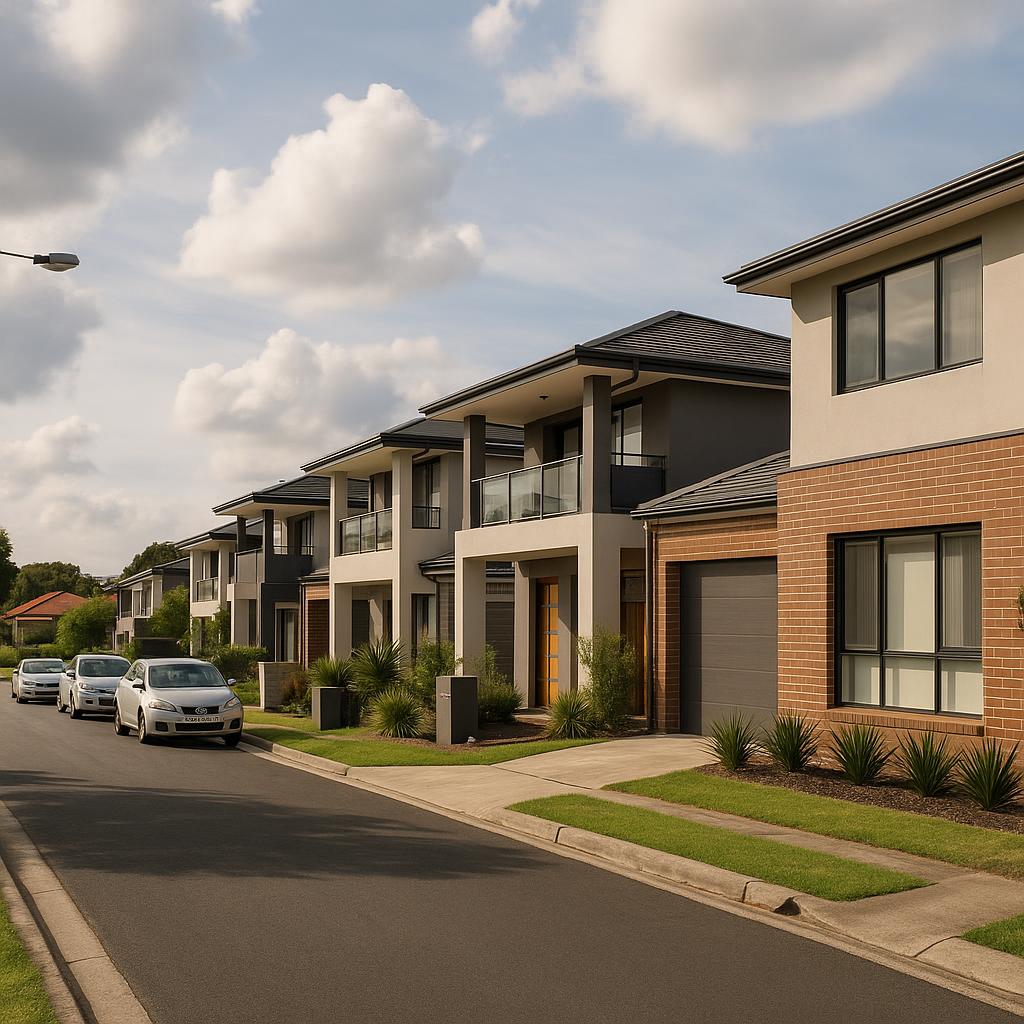
A new report from realestate.com.au says Australia’s housing supply crisis could help fuel a major property price boom, adding fresh attention to the gap between demand and available homes. The publication’s headline view is clear: when supply remains tight, prices can come under upward pressure. But the broader picture is less certain, with outcomes likely to vary by city, suburb and housing type.
The report arrives at a time when affordability remains a central issue in the national housing debate. For buyers, renters and sellers alike, the key question is not just whether prices rise, but how quickly new supply can be brought to market and whether that supply is enough to ease competition.
Supply remains the central pressure point
According to realestate.com.au, the housing supply crisis is the main force shaping the outlook. The publication argues that a shortage of available homes can support stronger price growth, particularly where demand continues to outpace listings. That dynamic is familiar in Australian property markets, but the report suggests it may remain a defining feature rather than a short-term disruption.
Even so, the report does not provide a single national forecast that applies evenly across all markets. That matters because Australia’s housing conditions are rarely uniform. Inner-city markets, outer suburban growth corridors and regional centres can all move differently depending on local supply, borrowing conditions and buyer demand.
Why the outlook is still uneven
While the report points to a broad supply shortage, it also leaves room for uncertainty. A shortage of homes does not automatically produce the same result everywhere, and the pace of any price movement can differ depending on how constrained each market is. In some areas, limited stock may intensify competition. In others, affordability pressures may temper demand even when supply is tight.
That uncertainty is important for readers trying to interpret the headline claim. The report’s central message is directional rather than precise: low supply can support higher prices, but the size and timing of any move will depend on local conditions and broader market sentiment.
Affordability stays in focus
The report also lands against a backdrop of ongoing affordability concerns. For many households, the challenge is not only finding a home, but finding one that is available and within reach. When supply is constrained, buyers can face fewer choices and more competition, while renters may also feel the effects through tighter vacancy conditions and stronger demand for available properties.
At the same time, affordability pressures can act as a brake on the market. Even where supply is short, some buyers may be unable to stretch further, which can limit the pace of price growth in certain segments. That tension between scarcity and affordability is one reason the national picture remains mixed.
What this means for buyers, sellers and renters
For buyers, the report suggests that competition may remain firm in markets where listings are scarce, although the experience will differ by location and property type. For sellers, tight supply can support stronger interest from buyers, but that does not guarantee the same result in every suburb or price bracket.
For renters, the broader supply shortage is a reminder that housing pressure is not limited to the sales market. When available homes are limited, renters can also face a narrower pool of options. These are general market implications only, and individual circumstances will vary.
Regional and local markets may diverge
One of the most important takeaways from the report is that national headlines can mask local differences. A supply squeeze may be felt more sharply in some capital cities, while regional markets may respond differently depending on migration patterns, construction activity and the availability of new stock.
That means the same headline can tell different stories in different places. A market with very limited listings may see stronger price pressure, while another with more balanced supply may be less affected. The report does not suggest a single outcome for all Australian housing markets, and that caution is worth keeping in mind.
Policy and construction remain part of the debate
Although the supplied source does not set out a policy package, the report reinforces the broader debate about how Australia can lift housing supply. New construction, planning settings and the speed at which homes reach the market all sit behind the headline issue. If supply remains constrained, the pressure described by realestate.com.au is likely to stay part of the conversation.
But the report also highlights a familiar challenge: even when the need for more homes is widely recognised, the market can take time to respond. That lag helps explain why supply shortages can persist even as affordability concerns become more acute.
The bottom line for the market
realestate.com.au’s latest report frames housing supply as the key driver of Australia’s property outlook, with the potential to keep prices under pressure if shortages continue. The message is strong, but it is not absolute. The national market remains uneven, and the effect of any supply squeeze will depend on where buyers are looking, what kind of property they want and how much stock is available.
For now, the report adds to the sense that supply remains the central issue in Australian housing. Whether that translates into a broad price boom, a patchwork of local gains or a more subdued response will depend on how the market evolves from here.
Sources used for this draft
This article was generated from the following recent news reports and should be reviewed before publication.