Quick Answer
Acton Park is generally a better fit for buyers prioritising lifestyle and land than for those chasing high-density convenience. Investors should think long-term, while homeowners are more likely to value the suburb’s flexibility, quieter feel, and larger-block living.
Key Takeaways
- Acton Park suits buyers who are comfortable trading convenience for space, privacy, and a more relaxed environment.
- For investors, the story is less about fast cash flow and more about patient capital growth, land scarcity, and lifestyle demand.
- For homeowners, the draw is practical: room to live, store, grow, entertain, and potentially adapt the property over time.
- The main due diligence focus should be on land use, access, service infrastructure, zoning constraints, maintenance costs, and resale audience.
- Mini example: one buyer wants a weekend lifestyle reset; another wants a reliable, easy-to-let investment. The same property can suit one and frustrate the other.
Pros & Cons
Pros
- Larger-block, lifestyle-oriented living with more privacy
- Appeal to buyers who want flexibility for outdoor space, pets, hobbies, and storage
- Less crowding and a calmer residential feel
- Potential scarcity value if well-located land becomes harder to replicate
Cons
- Often fewer walkable amenities than denser suburbs
- More car dependence for work, school runs, and services
- Maintenance can be higher for bigger homes, gardens, and infrastructure
- Rental demand may be narrower because the tenant pool is more selective
Suburb snapshot
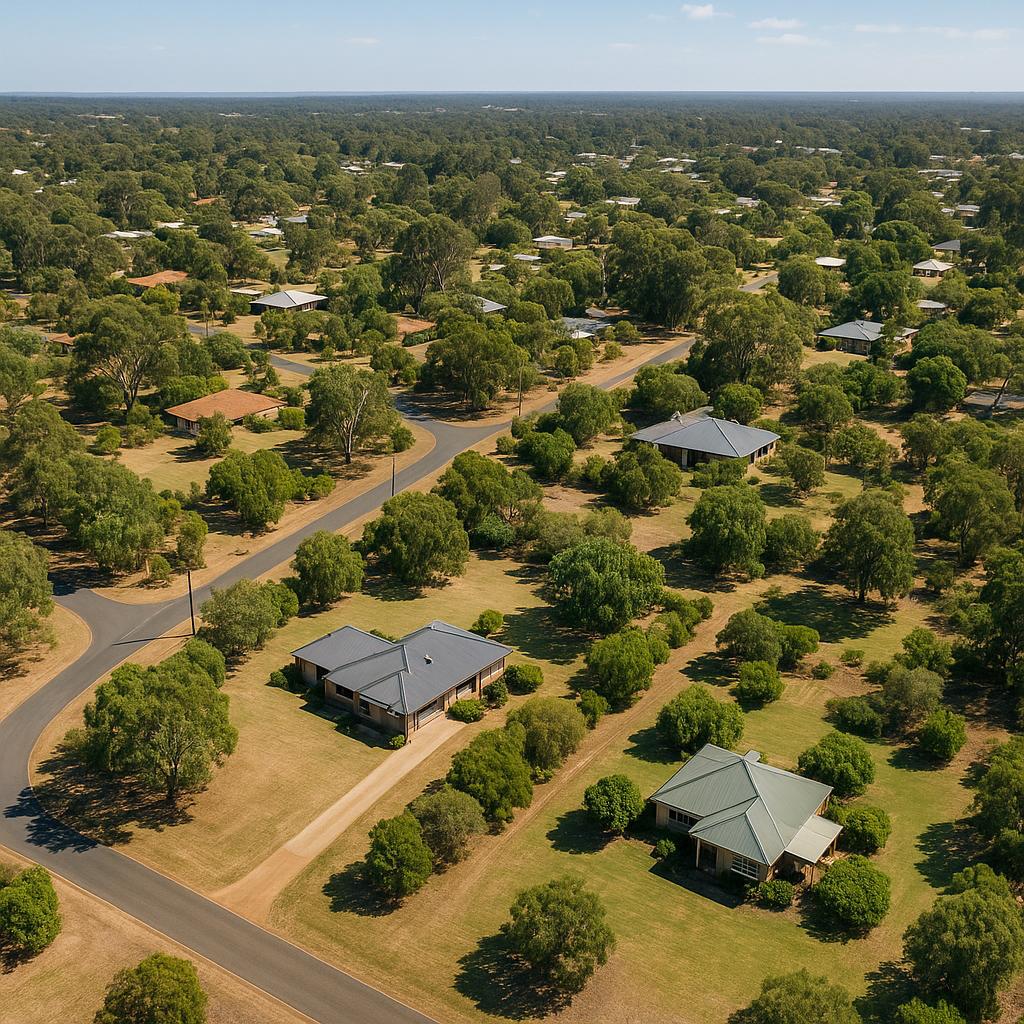
Acton Park is a lifestyle-focused suburb in Western Australia with a semi-rural character. The key value proposition is not urban convenience; it is the combination of space, privacy, and a calmer residential environment. Buyers who inspect here should look beyond the dwelling and assess the site itself: block shape, access, drainage, outbuildings, and the surrounding land use all influence liveability and resale.
Suburb snapshot: think long-term owner-occupier demand, practical land value, and a buyer pool that often cares more about function than flash. A modest house on a usable block can be more attractive than a prettier home with poor access or awkward site design.
Investor view
Acton Park is typically a patient, land-led investment thesis rather than a high-yield, high-turnover play. Investors should underwrite the likely resale audience carefully: who will buy this property in five to ten years, and what problem does it solve for them?
- Core investment thesis: seek demand from buyers who value land, privacy, and lifestyle.
- Underwrite: resale audience size, maintenance burden, vacancy risk in a narrower rental market, and insurance/borrowing implications for non-standard features.
- Best strategy themes: buy quality land first, improve the dwelling second, and avoid overcapitalising on niche features.
Investor view: if the property is easy to maintain, practical to insure, and broadly appealing to owner-occupiers, the long-term case is usually stronger. For comparison reading, you may also want to review West Swan Property Market & Investment Guide 2026, Western Australia and The Vines Property Market & Investment Guide 2026, Western Australia to compare similar lifestyle-led markets.
Homeowner view
For homeowners, Acton Park’s appeal is emotional and practical. You are not just buying a house; you are buying room to live differently. That can mean a better setup for family life, pets, tools, hobbies, gardening, and outdoor entertaining. It also means more autonomy, but usually with more responsibility.
Homeowners tend to stay longer, so the fit matters more than short-term price noise. If you value a calmer rhythm, privacy, and the ability to adapt your property over time, this suburb can work well. If you prefer a walk-everywhere lifestyle, the trade-off may feel too large.
Market drivers
- Land scarcity and lot characteristics: larger or well-positioned sites are hard to replicate, supporting long-term desirability.
- Lifestyle migration: buyers often move outward when inner areas feel too dense, too expensive, or too restrictive.
- Owner-occupier demand: lifestyle suburbs are often driven more by emotional buyer decisions than pure yield logic.
- Infrastructure and access: road connectivity, service availability, and proximity to key destinations influence demand.
- Planning and zoning context: development rules can affect extension potential, outbuildings, and future flexibility.
Mini scenario: if nearby growth corridors improve access and services over time, a semi-rural suburb can become more appealing to families seeking balance between space and convenience.
Cost of Living Breakdown
What to budget for
- Higher vehicle use and fuel costs than walkable urban suburbs
- Potentially higher upkeep for gardens, fencing, driveways, and site systems where applicable
- Insurance considerations for larger homes, outbuildings, or unique site conditions
- Lawn care, landscaping, pest management, and ongoing maintenance
Why this matters: lower purchase competition can hide higher ownership costs. A property that feels affordable at purchase may be less affordable across a 5–10 year holding period.
Before buying, estimate annual maintenance, transport, and insurance separately from mortgage repayments. For lifestyle suburbs, those running costs can materially change affordability.
Lifestyle & Daily Life
Acton Park is typically chosen by buyers who want life to feel less compressed and more intentional. The daily rhythm is often quieter, more private, and more outdoor-oriented than in denser suburbs.
- Common lifestyle wins: gardening, pets, home projects, entertaining, and space for kids to play
- Common trade-offs: more planning for errands, events, and evening outings
Daily convenience shapes satisfaction more than many buyers expect. A remote worker may barely notice the suburb’s distance, while a daily commuter may feel the extra travel every weekday. If you are comparing lifestyle locations, it can help to review nearby-market guides such as Parkeston Property Market & Investment Guide 2026, Western Australia and Kwinana Beach Property Market & Investment Guide 2026, Western Australia for different demand profiles.
Schools & Education
Families should evaluate practical access to nearby schools and childcare, including travel time, school-run congestion, and route reliability. In suburbs like Acton Park, the question is less about prestige and more about whether the routine is manageable over several years.
Do not rely on rankings alone. Instead, verify catchments, enrolment rules, and commute times using official education and school-finder sources. A home may be worth choosing if it improves space and family life, but only if the daily school logistics still work.
School catchment boundaries, childcare availability, before/after-school care, transport routes, and peak-hour travel times.
Transport & Commute Details
Acton Park is generally more car-dependent than inner suburbs. That is not necessarily a negative, but it does need to be priced into your decision. Assess driving time to work hubs, shops, healthcare, schools, and transport connections, and consider how those times change during peak periods.
- Check morning and afternoon traffic patterns on your actual route.
- Consider access for visitors, trades, delivery vehicles, and emergency services.
- Factor in how often you will leave the suburb rather than just how quickly you can get out.
Investor view: commute friction can narrow the renter pool. Homeowner view: if you are okay with more driving, the suburb may reward you with a better lifestyle fit.
Property type guide
In a suburb like Acton Park, property type matters because the land and site functionality often influence value as much as the dwelling. Common forms to assess include detached houses on larger blocks, lifestyle homes with outdoor infrastructure, and properties with sheds, garages, or hobby spaces.
- Established homes: often offer character and land, but may need more maintenance.
- Renovated/newer homes: can reduce short-term work, though they may come at a higher upfront cost.
- Utility-rich properties: sheds, parking, storage, and adaptable outdoor areas can widen appeal if they are well executed.
Example: a plain but practical house on a usable block may outperform a more attractive home with awkward access or limited site utility.
Comparison with Other Areas
When comparing Acton Park with nearby alternatives, focus on land size, proximity to services, housing density, buyer competition, and overall lifestyle feel. The best suburb is not always the most convenient one; it is the best match for your budget, commute, and goals.
For example, a closer-in suburb may offer shorter travel times but less space, while another lifestyle area may be similarly calm but with a different buyer profile. If you are still exploring WA lifestyle markets, South Bunbury Property Market & Investment Guide 2026, Western Australia and Beachlands Property Market & Investment Guide 2026, Western Australia show how different location fundamentals can reshape buyer demand.
Rental Market Insights
Acton Park is likely to attract more selective renters who want space, privacy, parking, storage, or a specific lifestyle fit. That means the tenant pool may be narrower, but tenants who choose the suburb may stay longer if the property meets their needs.
- Tenant preferences: parking, storage, pet-friendliness, outdoor space, and practical floorplans
- Investor implication: quality and fit often matter more than trying to appeal to everyone
Do not assume a larger property automatically rents easier. In niche markets, the strongest rentals are usually the most practical, not the most elaborate.
Future Growth & Development
The outlook for Acton Park is tied to continuing lifestyle demand, broader regional growth, and any infrastructure or planning changes that improve access or service convenience. Longer-term performance is likely to depend on land quality and location utility more than on building age alone.
- Continued appeal from lifestyle buyers
- Potential uplift from broader regional growth and infrastructure improvements
- Long-term value linked to land quality and practical usability
When assessing future value, verify planning information directly with the relevant local and state planning sources. A property that seems “a bit far out” today may feel more strategically placed later if surrounding areas expand and services improve.
Safety & Crime
Keep safety assessment practical and evidence-based. Avoid broad assumptions about crime based purely on suburb reputation. Instead, inspect the property’s own security profile: lighting, fencing, sightlines, access points, and lock-up options.
- Check external lighting and visibility from the street
- Review fencing, gates, and secure parking
- Assess sheds, outbuildings, and storage security
- Use official police and local government sources for current area information
Large blocks and outbuildings can improve lifestyle but also require better security planning. Site design matters.
Who This Area Is Best For
- Families wanting more space
- Buyers with pets, tools, hobbies, or outdoor projects
- People wanting a quieter lifestyle
- Long-term owners who value land and flexibility
- Investors with patience and a lifestyle-demand thesis
Less suited to buyers who need walkability, dense amenity access, or minimal upkeep. If you dislike vehicle dependence, Acton Park may feel more burdensome than rewarding.
Due diligence checklist
- Inspect the land, not just the house: shape, slope, drainage, access, fencing, and usable outdoor area.
- Confirm services and infrastructure: water, sewerage, power, internet, waste management, and any site-specific limitations.
- Check planning and future use: extensions, sheds, outbuildings, subdivision potential, and permit requirements.
- Review maintenance history: roof, gutters, driveway, retaining walls, landscaping, and any on-site systems.
- Understand the buyer/renter audience: who will want this property later, and why?
- Test lifestyle fit: commute, school runs, shopping trips, and weekend habits.
If the land, access, and ongoing costs do not make sense, do not let the lifestyle setting override the fundamentals.
Red flags / watch-outs
- Hidden maintenance costs from larger blocks, gardens, and site infrastructure
- Poor access or awkward driveway layout that affects visitors, trades, and resale appeal
- Overly niche improvements that only appeal to one type of buyer
- Weak commute fit that becomes annoying after the first few months
- Unclear site constraints such as drainage, easements, or service limitations
These are the common mistakes in lifestyle suburbs: buyers fall in love with the setting and underweight the practical constraints.
Common mistakes
- Buying for the dream lifestyle without checking ongoing upkeep
- Assuming a bigger block automatically means a better investment
- Ignoring commute reality and school-run timing
- Overlooking how a niche property will resell or re-let later
- Failing to confirm planning, services, and site restrictions before committing
Tools, templates & resources
- Local council planning maps and zoning tools
- State planning portal for approvals and scheme information
- School finder and catchment tools from education authorities
- Current rental and sold listings on major real estate portals
- ABS community data for household and dwelling characteristics
- Police and local government pages for current safety information
Sources & how to verify
- Australian Bureau of Statistics — check Census, dwelling, household, and commuting context.
- WA Government — use for state services, planning, and local information pathways.
- WA Planning — verify zoning, development frameworks, and planning context.
- Landgate — confirm land and property information where available.
- REIWA — review current WA sold/rental market conditions and suburb commentary.
- realestate.com.au — check current listings, asking prices, and local rental stock.
- Domain — cross-check listings, market snapshots, and comparable properties.
- WA Police — review official crime-prevention and local safety information.
- Department of Education WA — verify school information and catchments.
- WA Health — confirm hospital and health network access where relevant.
Verification tip: use at least three independent sources before making a purchase decision. Match the map, the listing, the planning rules, and the on-the-ground inspection.
FAQ
Is Acton Park a good suburb for families?
It can be, especially for families who value space, privacy, outdoor use, and a calmer environment. The main question is whether the school and commute routine remains practical.
Is Acton Park better for homeowners or investors?
It often suits homeowners best, but investors can still do well if they buy with a long-term, land-led thesis and understand the narrower tenant pool.
What type of property performs best in Acton Park?
Generally, practical detached homes on usable blocks with strong access, low-friction maintenance, and flexible outdoor space are more resilient than highly niche properties.
Is Acton Park likely to suit buyers who want space and privacy?
Yes. That is one of the suburb’s core strengths, along with a quieter feel and the ability to create a more flexible home environment.
What should I inspect before buying in Acton Park?
Inspect access, drainage, site usability, parking, fencing, maintenance history, services, and any planning or permit constraints.
How does Acton Park compare with nearby suburbs?
It generally leans more toward lifestyle and land than convenience. Nearby alternatives may be closer to services but offer less space or a denser feel.
What are the main lifestyle trade-offs in Acton Park?
The main trade-offs are more car dependence, more planning for errands, and potentially higher upkeep in exchange for space and privacy.
Conclusion
Acton Park is a suburb for buyers who value space, privacy, and a more relaxed lifestyle, with investment appeal built around land, scarcity, and long-term demand. The best purchase here is not just about the house; it is about the fit between the property, the land, and the way you actually live.
If you want room to live and can accept a more car-dependent lifestyle, Acton Park may be a strong fit. If convenience and dense amenity access matter most, compare it carefully with more urban alternatives.
Final decision rule: choose the property that balances lifestyle appeal with practical ownership realities.