Quick Answer:
Tamala Park is best approached as a specialist, research-heavy location where zoning and end use matter more than general suburb popularity. If you are considering buying here, verify the exact parcel, permitted use, access, and holding costs before you rely on any assumed future upside.Key Takeaways
- Tamala Park is a “research first, buy second” location.
- The most important questions are: what is the current zoning and permitted use, is the property residential or restricted, and what infrastructure supports the site now?
- For investors, the upside depends on planning outcomes, not broad suburban demand alone.
- For homeowners, lifestyle fit may be limited by services, access, and surrounding land-use mix.
- Practical rule: if you cannot clearly explain why the property should be worth more in 3–7 years, the purchase needs deeper scrutiny.
- Pros: potential strategic land positioning; proximity to the northern corridor; less competition from mainstream family buyers; niche opportunities for informed buyers.
- Cons: limited everyday amenity; uncertain fit for conventional owner-occupiers; restrictions can complicate finance, resale, and insurance; thin comparable sales may make valuation harder.
Suburb snapshot
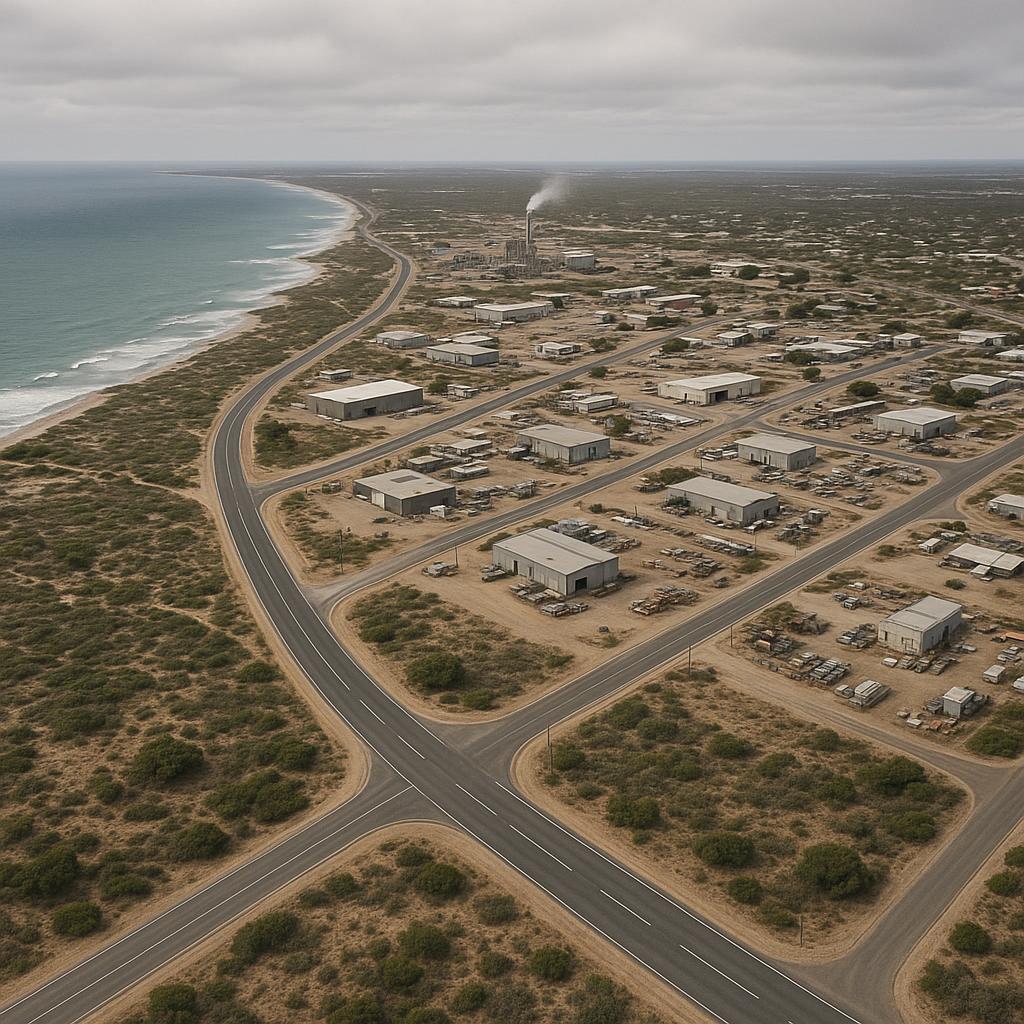
Tamala Park is best understood as a locality shaped by land use rather than a dense residential village. Before anything else, verify the exact address, title details, zoning, overlays, access arrangements, and any nearby buffers or future precinct plans.
That matters because two sites that look similar on a map can have very different prospects if one is restricted and the other sits near a more flexible planning corridor. In this type of market, superficial comparisons are misleading.
- Best understood as a land-use-sensitive locality.
- Value depends on the parcel, not the broad postcode.
- Comparables should be checked very carefully, especially if they are from nearby established suburbs.
Investor view
Tamala Park is a specialist play, not a volume market. The strongest investor thesis here is usually based on planning literacy, patient capital, and a clear exit strategy. That means understanding who the future buyer is, what could block resale or redevelopment, and whether you are comfortable holding the asset if the market stays quiet.
This is where many investors make a common mistake: they assume land size or location alone will create demand. In reality, the most valuable feature may be the property’s permitted use, servicing status, or ability to fit a future use case.
Investor strategy:
- Prefer clarity over optimism.
- Model conservative exit assumptions.
- Confirm finance, insurance, and access before committing.
- Compare with nearby suburbs that already have proven demand.
For a broader northern corridor comparison, it can help to review nearby market profiles such as Osborne Park, Noranda, and Wembley to see how established demand differs from a niche locality.
Homeowner view
For homeowners, the question is not just “Can I buy here?” but “Does this actually work for daily life?” That includes access to shops, services, schools,schoolsl care, and the feel of the surrounding land use. A property may be technically available and still be impractical for a regular household.
Ask whether you are comfortable living in a lower-amenity, potentially transitional, or function-driven environment. Visit at different times of day to gauge traffic, noise, lighting, and surrounding activity. What feels quiet at 11am on a weekday can feel very different after dark or during peak vehicle movement.
- Assess convenience, privacy, and long-term comfort.
- Check whether the surrounding uses align with your lifestyle expectations.
- Do not rely on assumptions drawn from nearby suburban areas.
Market drivers
The main drivers in Tamala Park are land-use planning, infrastructure access, service availability, and broader northern corridor growth. These factors shape both price discovery and demand far more than generic suburb branding.
Planning decisions can create sudden shifts in sentiment, but that does not automatically translate into usable value for every site. Similarly, improved access can increase practicality, but only if the property itself is permitted to benefit from that change.
- Planning and rezoning potential.
- Access and servicing quality.
- Northern corridor expansion pressures.
- Buyer confidence in unconventional locations.
Cost of Living Breakdown
Affordability in a locality like Tamala Park is not just the purchase price. Ongoing ownership costs can be shaped by vehicle reliance, fuel, servicing, compliance, and maintenance. If the site is specialised, you may also face higher inspection, insurance, or utility-connection considerations than in a standard suburb.
For renters, a lower rent does not necessarily mean lower total living costs if transport and convenience expenses are higher. For owners, cheap-to-buy can still be expensive-to-hold.
- Transportation: likely more car-dependent than walkable suburban areas.
- Utilities and servicing: confirm what is connected now, and what may need to be arranged separately.
- Maintenance: non-standard sites can require more careful upkeep and compliance checks.
- Hidden costs: think access, lighting, fencing, drainage, and insurance conditions.
Lifestyle & Daily Life
Daily life in Tamala Park should be assessed as a practical routine, not a marketing concept. How close are the nearest shops, services, and recreation options? Is there meaningful coastal access in the immediate area, or only broad nearby access that still requires driving?
In a conventional residential suburb, lifestyle is built around convenience. In a locality like this, daily life may be more functional than social, with stronger emphasis on access and land use compatibility than walkability or café culture.
Day-in-the-life test: if you map a normal weekday from school drop-off to work commute to groceries and evening errands, does the location still feel efficient after you include real traffic and real detours?
Schools & Education
Education access matters because it shapes family demand and long-term occupancy. In a niche locality, the key issue is practical access rather than school rankings. Check travel times, route simplicity, and whether school runs fit into your daily rhythm.
If you are buying for family living, use the WA Department of Education school finder and map the route rather than relying on general reputation. A school that is theoretically “close” may still be inconvenient if access is indirect.
Transport & Commute Details
Transport is a major filter in Tamala Park because access determines who can realistically live, work, or lease there. Private vehicle use is likely central to the experience, so road quality, traffic patterns, and the commute to employment hubs matter more than headline distance.
Commute convenience affects both resale and rental demand. If the location works only in theory, it may not function well in the market. Test the route during peak periods, not just off-peak.
- Check main road access and turning movements.
- Assess commute practicality to the northern corridor and major employment nodes.
- Consider how transport friction changes the buyer pool.
Property type guide
In Tamala Park, property type is central to valuation and finance. You may be looking at vacant land, commercial or industrial holdings, specialised assets, or limited residential-style opportunities depending on the exact location and zoning.
- Vacant land: requires planning clarity and a patient time horizon.
- Commercial/industrial stock: needs lease, tenant, and access analysis.
- Non-standard assets: require extra legal, compliance, and insurance checks.
- Residential-style stock: only makes sense if the site genuinely supports daily living and resale.
Example: one site may suit a land-banking approach, while another only works as an operational business asset. Those are completely different investments, even if they are close together.
Comparison with Other Areas
Compared with established northern corridor suburbs, Tamala Park will usually offer less certainty, less amenity, and a narrower buyer pool. In return, it may offer a niche angle for informed buyers who understand land use and long-term planning dynamics.
If you want a conventional residential benchmark, compare this locality with areas like Darch, Floreat, or Wembley Downs. Those markets are easier to understand, but they operate under a very different demand profile.
Rental Market Insights
Rental demand in Tamala Park, where applicable, is likely to be more specialised than mainstream residential. The tenant pool may be narrower, which makes lease quality, tenant fit, and vacancy management more important.
Investors should not assume that a low-density or specialised area produces easy leasing. In many cases, the demand will come from a specific business use, storage-related use, or a very limited residential demographic. That means your tenancy assumptions need to be conservative.
- Tenant profiles may be narrow.
- Vacancy risk can be higher if the property is too specialised.
- Lease terms matter more when the market is thin.
Future Growth & Development
Future growth in Tamala Park is tied to planning, surrounding corridor growth, and infrastructure signals. If nearby employment, transport, or private development expands, the locality may benefit indirectly. However, the property itself still needs to be capable of capturing that benefit.
This is why “future potential” should never be the whole thesis. Ask what has to happen, who pays for it, what approvals are required, and whether your holding costs remain comfortable while you wait.
Safety & Crime
Safety perception matters because it influences how comfortable people feel using the area after hours. In a locality with more isolated or industrial-adjacent characteristics, the feeling of safety can be shaped by lighting, visibility, traffic patterns, and the type of surrounding activity.
Do not rely on assumptions or anecdotal comments. Verify with official sources such as WA Police crime information, local council records, and on-the-ground inspections at different times of day. A quiet place is not automatically a safe one; context matters.
- Visit at night and on weekends.
- Check street lighting, visibility, and passive surveillance.
- Speak with nearby operators or residents about typical after-hours activity.
Who This Area Is Best For
Tamala Park is most suitable for informed investors with specialist knowledge, buyers with a very specific use case, and people comfortable with lower-amenity or planning-sensitive assets. It is less suitable for first-home buyers wanting simplicity, families seeking daily convenience, or anyone after a conventional suburban lifestyle.
Investor view: treat it as a specialist planning-led opportunity with a conservative exit plan.
Homeowner view: treat it as a practical lifestyle test, not just a property purchase.
Due diligence checklist
- Verify title, zoning, and permitted uses.
- Review planning overlays, buffers, and easements.
- Confirm access, services, and utility connections.
- Check finance and insurance eligibility early.
- Compare with genuinely similar sales, not just nearby postcodes.
- Inspect the site at different times and days.
- Speak with the council or planning authority where relevant.
- Review holding costs, maintenance, and compliance obligations.
- Test the exit strategy before buying.
Red flags / watch-outs
- Unclear zoning or inconsistent advice from agents.
- Reliance on vague “future potential” without a clear planning pathway.
- Poor access, hidden buffers, or servicing surprises.
- Thin comparable sales and overconfident valuations.
- Finance or insurance limitations that appear late in the process.
- Overestimating rental demand for a niche property type.
Common mistakes
- Confusing nearby suburban amenity with the reality of the exact site.
- Assuming vacant land is automatically a simple investment.
- Ignoring holding costs while waiting for planning uplift.
- Using generic sales evidence from unrelated suburbs.
- Buying before confirming finance, insurance, and permitted use.
Tools, templates & resources
- Planning portal search for zoning and scheme maps.
- Title search and survey plan review.
- Commute mapping tools to test real travel times.
- Rental appraisal from a local property manager where leasing is relevant.
- Comparable sales report using similar use and zoning only.
- Site inspection checklist for daytime, evening, and weekend visits.
FAQ
Is Tamala Park a good place to invest in 2026?
It can be, but only for buyers who understand the planning and use constraints. It is not a broad-market investment location.
What type of property is most common in Tamala Park?
That depends on the exact parcel and zoning. Buyers should verify whether they are dealing with vacant land, industrial/commercial, or another specialised asset.
Is Tamala Park suitable for families and owner-occupiers?
Only if the property genuinely supports daily family life in terms of access, services, and surrounding land use. Many buyers will find it better suited to a specialist use case.
What are the main risks of buying in Tamala Park?
The biggest risks are unclear permitted use, limited amenity, financing or insurance constraints, and poor resale liquidity if the buyer pool is narrow.
How should investors assess future growth here?
Use a planning-first approach. Confirm what has to change, who is responsible, whether approvals are realistic, and how long you can hold without needing a quick sale.
What should buyers check before making an offer?
Zoning, access, services, title restrictions, comparable sales, insurance, and finance eligibility. If any of those are unclear, get them checked first.
Where can I verify up-to-date local information?
Use official planning, council, schooling, transport, and crime sources, then corroborate with recent sales and rental listings from major portals.
Sources & how to verify
- ABS for census and demographic context.
- WA Department of Education school finder for school catchments and school options.
- WA Department of Planning, Lands and Heritage for planning frameworks and scheme references.
- WA Police crime information for current safety data and reporting context.
- Main Roads WA for road works, access, and transport projects.
- PerthNow for local news context, then verify with official notices.
- realestate.com.au for current listings and rental evidence.
- Domain for listings, sold activity, and market comparisons.
- Check the exact title and plan through your conveyancer or land titles search before assuming any use.
- Confirm the site’s zoning and overlays directly with the planning authority rather than relying on agent summaries.
- Inspect the property at different times of day to assess traffic, noise, lighting, and surrounding activity.
- Compare only genuinely similar sales, ideally with the same zoning, use, and access characteristics.
Conclusion
Tamala Park is a specialist property market that rewards careful analysis more than broad assumptions. The decision framework is simple: clarify the use case, verify planning and access, model the holding period, and compare with nearby alternatives before you buy.
The best outcome comes from matching the property’s true function to your real goals, not to a generic suburb narrative. If that match is weak, walk away.