Quick Answer:
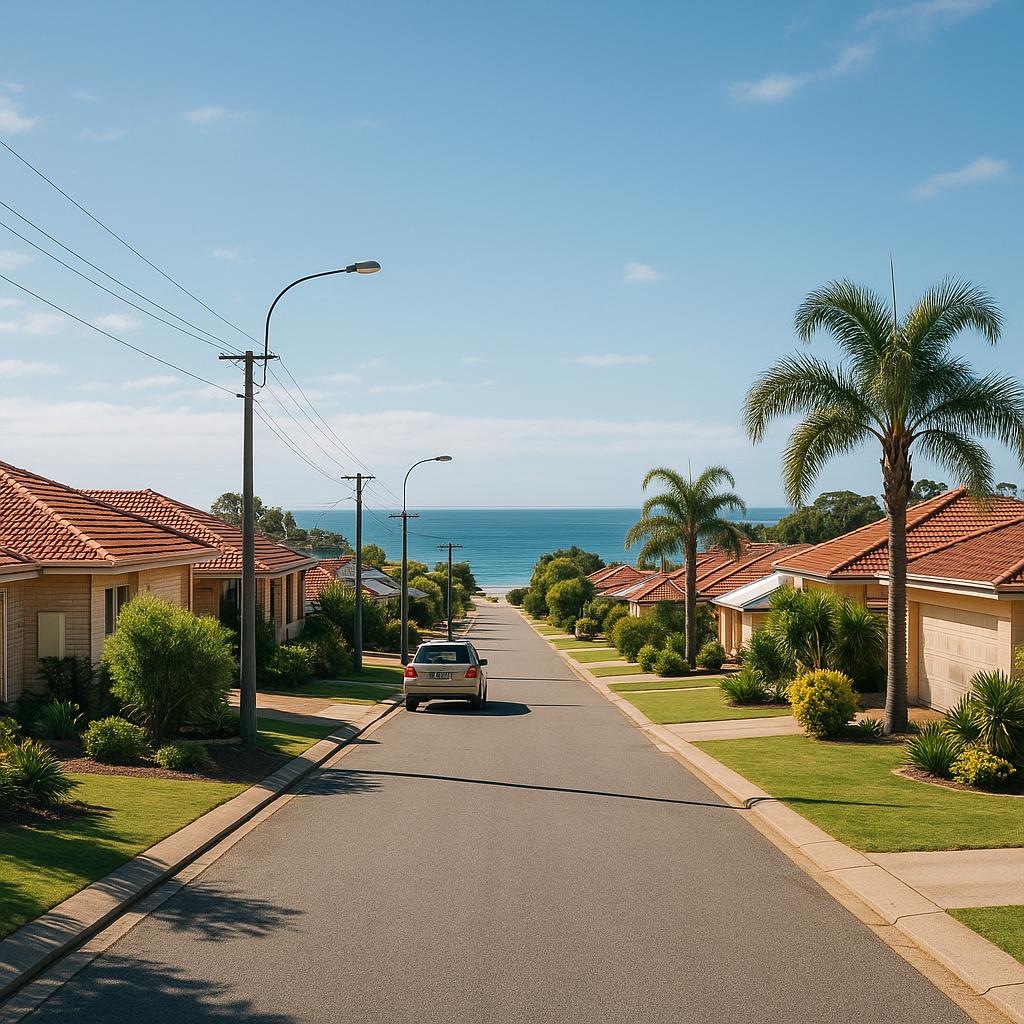
Beachlands tends to suit buyers who value a quieter coastal setting, a residential feel, and a long-term hold mindset. Investors should focus on tenant fit, property condition, and holding costs rather than assuming coastal appeal alone will deliver strong results.Key Takeaways
- Beachlands is best assessed through three lenses: lifestyle, rental resilience, and long-term suburb positioning.
- Coastal appeal can support demand, but the property’s condition and layout usually decide how competitive it is.
- Investors should ask who will rent the home, why they would choose it, and how much upkeep it may require.
- Homeowners should prioritise comfort, daily convenience, and how the street feels across weekdays and weekends.
- Watch-outs include older dwellings, marine exposure, and overestimating growth without checking comparable sales and rental demand.
Pros & Cons: Beachlands can offer a calm coastal lifestyle and good owner-occupier appeal, but upkeep can be more demanding than in inland suburbs. Demand may also be more selective, so buying well matters.
Suburb snapshot
Beachlands is known for its coastal character, residential feel, and practical lifestyle appeal. It will usually attract buyers who are comfortable with a quieter pace, but still want access to everyday essentials and a sensible home base.
- At a glance: coastal setting, residential streets, family-friendly feel, and potential appeal for long-term holds.
- Property mix: commonly a blend of established homes and properties where presentation and maintenance influence buyer interest.
- Buyer profile: owner-occupiers, downsizers, families, and investors seeking steady rather than speculative demand.
- Tenant profile: likely to favour practical, easy-care homes that reduce day-to-day hassle.
For a broader WA comparison, it can be useful to contrast Beachlands with other lifestyle-led locations such as South Bunbury or North Beach, depending on whether you want regional affordability or a more established metro-coastal market.
Investor view
Beachlands may suit investors who prefer steady demand over speculative momentum. The best-performing purchases in suburbs like this are usually not the flashiest; they are the ones that are easy to maintain, easy to lease, and easy to resell.
- Investor thesis: target practical homes with broad tenant appeal and manageable upkeep.
- Key questions: who rents here, what property type is most sought after, and how much maintenance will the asset require?
- Reasoning: lower-friction properties often reduce vacancy stress and unexpected repair pressure.
Mini case-study: a well-kept home with simple outdoor areas may attract longer-term renters more reliably than a larger property that needs frequent attention. That is especially true where tenants value convenience and move-in readiness.
Investor view: prioritise functional layouts, durable finishes, and a property that makes sense to insure, maintain, and hold. Avoid paying for features that look impressive but do not materially improve local rental demand.
- Look for low-maintenance materials and sensible floorplans.
- Check insurance and maintenance implications before you commit.
- Compare the rental story against nearby suburbs, not just local asking rents.
- Assess whether the home suits long-term tenants, not only short-stay interest.
Homeowner view
For owner-occupiers, Beachlands can appeal because it offers a calmer residential experience with a coastal backdrop. The value for homeowners is not just the address; it is the way the home supports your routines.
- Why people choose it: lifestyle fit, sense of space, and a quieter environment.
- What matters most: street presentation, privacy, yard usability, and proximity to essentials.
- Practical truth: the “best” home is often the one that minimises maintenance while matching your daily habits.
Mini scenario: a couple may start out focused on price, then shift toward a home with better indoor-outdoor flow, easier parking, and a simpler maintenance profile after a few inspections. That kind of pivot is common when buyers compare lifestyle value in real time.
- Inspect at different times of day to assess noise and traffic patterns.
- Test work, school, and weekend errand routes before making an offer.
- Assess whether outdoor space actually suits how you live.
Market drivers
Beachlands’ demand is shaped by a mix of coastal lifestyle appeal, local amenity access, dwelling quality, and broader market sentiment in Western Australia. The most important point is that value comes from real demand, not just sentiment.
- Lifestyle-led demand: often favours well-presented, move-in-ready homes.
- Supply effect: fewer comparable homes can sharpen buyer interest, but only when the property is competitive.
- Renovation upside: works best when the local market rewards improvement and not just cosmetic upgrades.
Driver-to-outcome chain: amenity access → stronger convenience appeal → broader buyer interest. Property condition → lower maintenance risk → better investor confidence.
Cost of Living Breakdown
Beachlands may feel affordable or expensive depending on whether you look only at entry price or at ongoing ownership costs. In coastal suburbs, the real budget picture includes maintenance, insurance, and the practical cost of travel for errands and commuting.
- Housing costs: mortgage or rent, council rates, utilities, maintenance, and insurance planning.
- Daily living costs: commuting, groceries, errands, and coastal lifestyle spending.
- Ownership reality: older homes can look cheaper upfront but cost more over time if repairs and upkeep are frequent.
Why this matters: owner-occupiers feel cost of living through monthly budgeting, while investors feel it through holding costs and the pricing power they can realistically achieve in the rental market.
- Budget for ongoing maintenance, not just entry costs.
- Stress-test your finances against rate changes and repair surprises.
- Allow for insurance and weather-related wear in a coastal location.
Transport & Commute Details
Transport matters because it affects liveability, tenant demand, and how easily a property competes with alternatives. Beachlands should be assessed by how practical it feels for work, school runs, shopping, and weekend travel.
- Test your main route at peak and off-peak times.
- Check parking, turning access, and how easy it is to get in and out of the street.
- Consider how transport limitations affect rental appeal.
A suburb can be attractive for weekends and lifestyle, but weekday travel realities can change buyer interest quickly. If commute convenience is a major priority, compare Beachlands against locations that trade a little lifestyle for more direct access, such as East Bunbury or Osborne Park.
Property type guide
The best property type in Beachlands depends on your goal. For investors, that usually means low-maintenance and tenant-friendly. For homeowners, it often means fit-for-purpose and easy to live in.
- Older homes: may offer value, but inspect structure, drainage, and ongoing repair needs carefully.
- Renovated dwellings: can be attractive if upgrades are sensible and not overcapitalised.
- Family homes with yards: often suit owner-occupiers who want space and flexibility.
- Low-maintenance options: can reduce vacancy stress and appeal to tenants who want convenience.
Mini case-study: an investor choosing a simple, durable home may face fewer surprises than someone chasing a character property with hidden repair work. In a coastal suburb, the maintenance question is not minor; it is central to total holding cost.
- Match property type to local buyer and renter demand.
- Inspect for drainage, damp, corrosion, and finish quality.
- Avoid paying a premium for features that do not add local value.
Comparison with Other Areas
Buyers rarely choose Beachlands in isolation. They compare it with nearby or similar suburbs on convenience, lifestyle feel, maintenance burden, investor appeal, and family suitability.
- Beachlands vs convenience-focused suburbs: Beachlands may win on calm atmosphere, while a more central area may win on errands and commute ease.
- Beachlands vs other coastal markets: some suburbs may have stronger amenity depth, while Beachlands may feel quieter and more residential.
- Investor comparison: the better suburb is often the one with a clearer tenant story and easier upkeep.
For example, a buyer who wants stronger urban convenience might compare Beachlands with Tuart Hill or Wembley, while a buyer wanting different family or lifestyle trade-offs might also look at Gwelup.
Rental Market Insights
Rental success in Beachlands is likely to come from matching the property to tenant expectations. That means condition, practicality, and presentation matter at least as much as location.
- Likely tenant preferences: easy-care homes, functional layouts, and properties that feel well maintained.
- Vacancy sensitivity: a neat, practical home usually attracts better enquiry quality than a higher-maintenance property.
- Presentation: good photos, tidy gardens, and clear maintenance standards can improve leasing outcomes.
Investors should think in terms of tenant friction: the fewer day-to-day hassles a home creates, the easier it is to lease and retain. That can matter more than a marginally larger floorplan.
- Keep the property simple to maintain.
- Use durable fixtures and practical finishes.
- Price and present in line with comparable stock.
Future Growth & Development
Future growth in Beachlands will depend on how well the suburb balances supply, demand, and desirability over time. Buyers should separate confirmed changes from speculation.
- Possible positives: amenity improvements and infrastructure upgrades can support livability.
- Possible negatives: overdevelopment or poor planning can reduce the sense of calm that attracts buyers in the first place.
- Important distinction: “possible change” is not the same as “confirmed value uplift.”
In practical terms, suburbs tend to perform better when everyday life gets easier: shopping, access, services, and public realm quality all matter. However, buyers should verify any claimed future uplift with official planning information and current market evidence.
Safety & Crime
Safety should be assessed carefully and without guesswork. Rather than relying on anecdotes, use official sources and your own observations to build a balanced view of the street and immediate surroundings.
- Visit at different times of day.
- Look at lighting, visibility, and upkeep.
- Ask local agents and residents about practical concerns during inspections.
Balanced approach: a well-kept street with active neighbours and good lighting often feels more comfortable than a neglected street, regardless of postcode assumptions. For crime data, verify directly with WA Police and, where available, local government community safety resources.
Who This Area Is Best For
Beachlands is best for buyers who want a coastal setting, a quieter residential feel, and a property decision grounded in fit rather than hype.
- Best for: lifestyle buyers, families wanting a calm environment, downsizers, and investors with a long-term hold mindset.
- Less suitable for: buyers who need maximum convenience, investors chasing fast-turnover strategies, and anyone unwilling to budget for upkeep.
Mini scenario: a buyer who wants “easy and practical” may be happier in a more central suburb, while someone prioritising atmosphere and slower pace may find Beachlands ideal.
Investor view: buy for tenant demand, maintenance control, and exit flexibility. Homeowner view: buy for comfort, routines, and how the home feels on ordinary weekdays.
Due diligence checklist
- Inspect multiple comparable properties before making a decision.
- Review maintenance history and the visible condition of the building.
- Check insurance implications for coastal exposure.
- Test commute and daily errand routes.
- Confirm rental demand assumptions using current listings.
- Compare the property type with local buyer and tenant demand.
- Bring photos and notes so you can compare properties objectively.
Why this matters: suburb appeal gets you to the shortlist; property condition and ownership costs decide whether it is a good buy.
Red flags / watch-outs
- Hidden maintenance issues, especially around damp, drainage, and weather exposure.
- Overcapitalised renovations that look good but do not match local demand.
- Layouts that do not suit how local buyers or tenants live.
- Buying purely on emotional appeal without checking holding costs.
- Assuming all coastal suburbs behave the same.
A common mistake is paying for a polished finish and discovering the underlying structure or maintenance burden makes the property harder to hold or resell. Always ask what has been fixed, what remains, and what may need attention soon.
Common mistakes
- Chasing suburb hype instead of assessing the specific property.
- Ignoring maintenance and insurance in a coastal environment.
- Assuming rental demand without checking current listings and tenant preferences.
- Comparing Beachlands to suburbs that solve different problems.
- Buying without testing commute, parking, and everyday convenience.
Tools, templates & resources
- A simple inspection scorecard: condition, layout, noise, parking, outdoor space, and maintenance risk.
- A holding-cost worksheet covering rates, insurance, repairs, and vacancy allowance.
- A suburb comparison template to rank Beachlands against two or three alternatives.
- A rental review checklist based on current listings, not outdated assumptions.
- A weekend routine test: school run, groceries, commute, and evening return trip.
FAQ
Is Beachlands a good suburb for first-home buyers?
It can be, if the property is affordable for your budget and the daily routine suits your lifestyle. First-home buyers should focus on maintenance and ownership costs as much as entry price.
Is Beachlands better for homeowners or investors?
It may appeal strongly to homeowners who value lifestyle and calm. Investors can also do well, but only if the property has a clear tenant story and manageable upkeep.
What type of property is most practical in Beachlands?
Usually the most practical option is a low-maintenance home with functional layout, durable finishes, and easy upkeep.
How should buyers compare Beachlands with nearby suburbs?
Compare convenience, maintenance burden, lifestyle feel, and the type of buyer or tenant each suburb attracts. Look at like-for-like properties, not just suburb names.
What should investors check before buying in Beachlands?
Current comparable rentals, maintenance history, insurance cost, property condition, and whether the home fits the likely tenant pool.
How can you tell if a property has hidden maintenance risk?
Look for damp, drainage issues, corrosion, cracking, roof wear, and signs of deferred maintenance. Use a building inspection where appropriate.
What makes a coastal suburb like Beachlands different from inland areas?
Coastal suburbs often require more attention to maintenance and weather exposure, but they can also offer stronger lifestyle appeal and owner-occupier demand.
Where should I verify suburb facts and planning information?
Use official and current sources such as the ABS, local government planning pages, WA Police, and current property listings from major portals.
Sources & how to verify
- ABS Census: https://www.abs.gov.au/census — check household, dwelling, and demographic context.
- City of Greater Geraldton: https://www.cgg.wa.gov.au/ — confirm local services, planning, and community information.
- WA Planning Commission: https://www.wa.gov.au/organisation/department-of-planning-lands-and-heritage — verify planning and development matters.
- WA Police: https://www.police.wa.gov.au/ — check official safety and crime information.
- Domain suburb pages: https://www.domain.com.au/ — review current listings, sold history, and rental stock.
- realestate.com.au suburb pages: https://www.realestate.com.au/ — compare current advertised properties and market context.
- WA Government education information: https://www.education.wa.edu.au/ — verify school catchments and enrolment details.
- Main Roads WA: https://www.mainroads.wa.gov.au/ — confirm road access and transport changes.
Verification tips: compare at least three current listings, check recent sold examples, read the latest local planning notices, confirm school enrolment boundaries directly, and inspect the street in person before deciding.
Conclusion
Beachlands is a suburb where lifestyle appeal, property condition, and long-term planning matter more than headlines. The right decision is usually the one that fits your goals, your budget, and the way you want to live in 2026.
Investor takeaway: focus on tenant demand, maintenance risk, and exit flexibility. Homeowner takeaway: focus on comfort, routines, and the everyday feel of the street and home.
Buy for fit, then test the numbers. Beachlands can be a strong choice when the property matches your strategy.