Quick Answer:
South Bunbury is generally a balanced suburban choice for buyers wanting established housing, access to Bunbury amenities, and a regional-city lifestyle. Investors should focus on tenant appeal and maintenance risk, while homeowners should prioritise livability, convenience, and long-term comfort.Key Takeaways
- South Bunbury is an established suburb with broad appeal to families, downsizers, and investors.
- Demand is usually driven by practicality: access to services, daily convenience, and Bunbury’s role as a regional hub.
- Older housing stock can offer value, but condition and maintenance must be assessed closely.
- Rental appeal is typically strongest for neat, functional homes with low-friction living features.
- For investors, selection quality matters more than suburb label alone.
- For homeowners, the strongest value often comes from convenience, comfort, and long-term suitability.
Pros & Cons
Pros
- Established suburb with a grounded, practical feel
- Good access to Bunbury amenities and services
- Broad buyer and tenant appeal can support resale depth
- Often suitable for value-add improvements through renovation or cosmetic upgrades
- Regional setting can be attractive for buyers seeking more space and a less hectic pace than metro areas
Cons
- Older homes may need ongoing maintenance or capital works
- Performance can vary sharply by street, condition, and presentation
- Regional markets can be influenced by local employment and broader economic cycles
- New-build or master-planned options may be limited compared with growth corridors
- Returns depend heavily on the individual property, not just the suburb name
Suburb snapshot
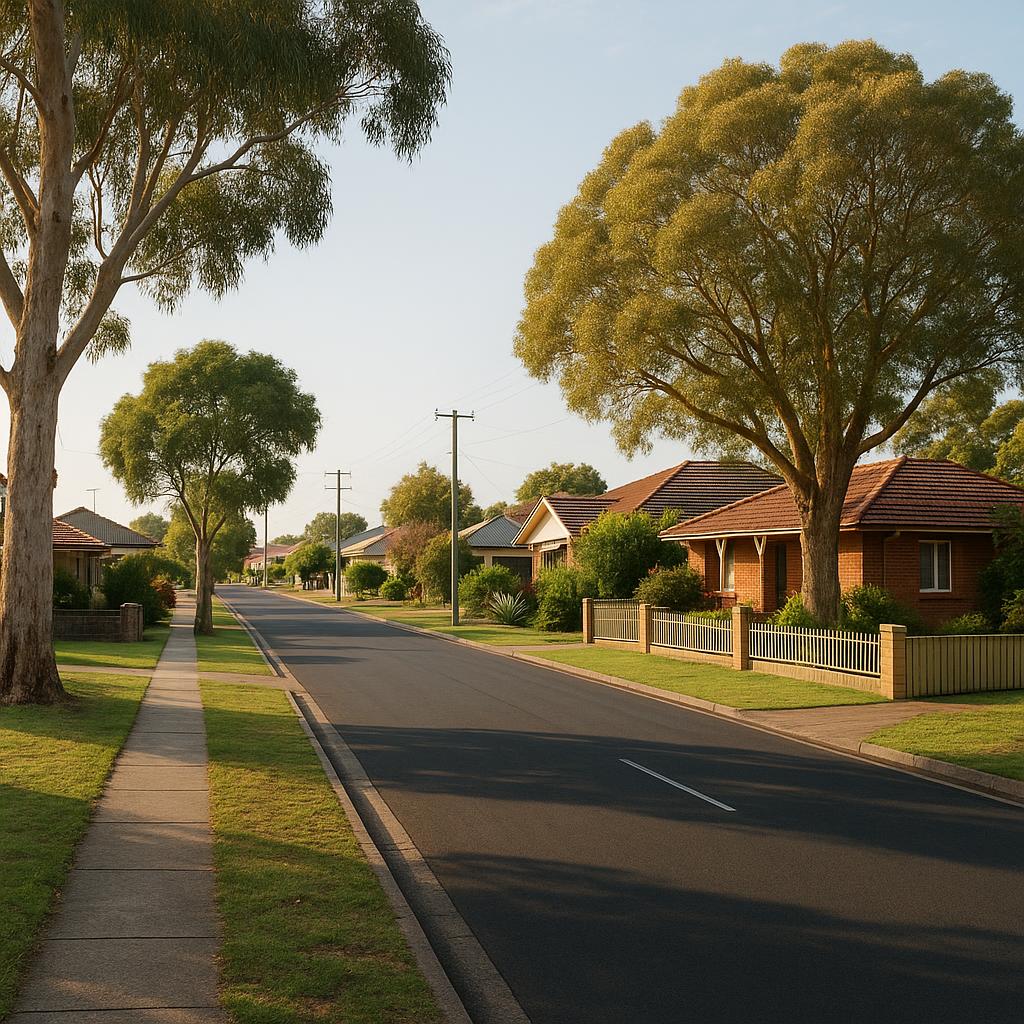
South Bunbury sits within the broader Bunbury urban area in Western Australia’s South West. Its appeal is usually tied to practicality rather than flash: established housing, access to city services, and a liveable suburban environment. The typical buyer profile includes owner-occupiers, families, downsizers, and investors who want a stable, easy-to-understand market.
A useful way to think about South Bunbury is to compare two choices: a newer home farther out with a longer commute, or an older but well-located South Bunbury home that reduces daily friction. Many buyers choose the latter because it better supports routine, convenience, and long-term use.
Investor view: choose homes that are easy to lease, easy to maintain, and broadly appealing to tenants. Homeowner view: choose homes that fit your daily life, not just your budget.
Cost of Living Breakdown
Cost of living in South Bunbury is best assessed at the household level rather than the suburb level. Housing costs depend on the property type, age, condition, and land component. Older homes may have lower entry prices relative to newer stock, but can also bring higher upkeep, insurance considerations, and upgrade costs over time.
- Housing: account for purchase price, maintenance, and likely improvement works.
- Transport: many households will rely on a car, so fuel and vehicle costs matter.
- Utilities: older dwellings may have higher running costs unless upgraded.
- Everyday spending: access to local shops, services, and recreation can influence household budgets.
Practical tip: a property that looks affordable on paper can become expensive if it needs ongoing repairs, poor insulation, or repeated cosmetic fixes. Always compare the total holding cost, not just the mortgage.
Lifestyle & Daily Life
South Bunbury suits buyers who want a grounded, functional lifestyle. Daily life is typically about convenience: running errands, getting to work, managing school routines, and enjoying the broader Bunbury area without needing a highly urban setting. Depending on the exact pocket, access to recreation, shops, and services can be a major plus.
This suburb is often attractive to people who want suburban calm with regional-city practicality. It may appeal less to buyers chasing a high-energy lifestyle precinct or a brand-new master-planned environment. For many households, that is exactly the point: fewer moving parts, simpler routines, and a more settled feel.
Investor view: suburbs that simplify daily life often retain tenant demand longer. Homeowner view: convenience is an everyday asset, not just a resale feature.
Schools & Education
School access is an important demand driver for family buyers, but catchments and enrolment rules can change. Rather than relying on assumptions, verify the exact zoning and nearby options directly with official school sources and the relevant education department.
- Check current catchment boundaries before making an offer.
- Confirm whether your preferred school accepts out-of-area enrolments.
- Consider travel time, not only distance on a map.
- Assess daycare, primary, and secondary options separately if you have children.
For many families, education access supports both liveability and resale depth. Even when school reputation is not the main buying driver, it can still shape buyer competition in the future.
Transport & Commute Details
Transport in South Bunbury is usually assessed through car access and proximity to Bunbury’s road network rather than heavy rail dependency. The exact commute experience will depend on the street, destination, and time of day. Some pockets will feel highly convenient for daily errands; others may be more vehicle-reliant.
When comparing homes, test the real-world commute to work, school, and shopping—not just the distance. In regional markets, small location differences can materially affect daily comfort and fuel costs.
Before buying, consider whether the property has sensible parking, easy street access, and straightforward access to key destinations. A cheaper home that is awkward to live with can become a burden over time.
Property type guide
South Bunbury is typically best understood through its property stock rather than a single headline “market story”. Established suburbs often contain a mix of older character homes, updated dwellings, family houses with yards, and lower-maintenance options suited to downsizers or investors.
- Older character homes: can offer charm and land utility, but may need more maintenance.
- Renovated established homes: often suit buyers wanting move-in readiness and easier leasing.
- Family houses with yards: generally appeal to households needing space and practical outdoor use.
- Low-maintenance dwellings: useful for downsizers or investors prioritising simpler upkeep.
Mini-case study: a neat, well-kept three-bedroom home may lease faster than a larger but tired property because tenants value comfort, presentation, and certainty. In South Bunbury, condition can matter as much as size.
Comparison with Other Areas
South Bunbury should be compared with nearby Bunbury-area suburbs on practical criteria: convenience, housing age, renovation potential, lifestyle fit, and tenant appeal. A nearby suburb may offer newer stock, but South Bunbury may offer stronger established amenity or better all-round usability.
For buyers, the key question is not “Which suburb is most popular?” but “Which suburb best fits my budget, lifestyle, and risk tolerance?” That distinction matters because two similar properties can produce very different outcomes depending on micro-location and condition.
You may also find it useful to compare South Bunbury with a nearby established suburb such as East Bunbury Property Market & Investment Guide 2026, Western Australia to assess trade-offs in convenience, housing type, and buyer competition.
Rental Market Insights
Rental demand in South Bunbury is likely to be driven by people who want access to Bunbury services, employment, and a practical suburban base. The strongest rental properties are usually the ones that minimise tenant friction: neat presentation, functional layouts, parking, easy-care interiors, and manageable outdoor spaces.
- Tenant profile: families, couples, professionals, and long-term local renters may all be relevant depending on the property.
- What rents well: clean, secure, low-maintenance homes with sensible storage and parking.
- What rents less easily: tired homes with unresolved maintenance or awkward layouts.
For landlords, the goal is not merely to chase the highest asking rent. It is to attract quality tenants, reduce vacancy risk, and keep maintenance under control. A home that is easier to live in is often easier to lease.
If you are comparing regional rental markets, it can help to review other Bunbury-area guides such as East Bunbury and then check live advertised rents and recent leased results on major portals.
Future Growth & Development
Future value in South Bunbury is more likely to come from gradual renewal, infill improvement, and Bunbury’s ongoing role as a regional centre than from one major catalyst alone. Established suburbs can strengthen over time when homes are improved, streets are well maintained, and local amenity remains useful.
Do not rely on vague “upcoming development” claims unless you can verify them. Instead, look for evidence of planning activity, infrastructure maintenance, and private reinvestment in the surrounding area. In many suburbs, the clearest growth driver is not a single project but the slow accumulation of quality renovations and better-presented homes.
Market drivers: regional employment, amenity access, housing replacement costs, and buyer preference for established locations.
Safety & Crime
Safety is best assessed carefully and objectively. Perception can vary significantly street by street, and anecdotal reputation is not a substitute for current, location-specific information. If safety is important to you, use official and up-to-date sources, then visit the area at different times of day.
- Check official local crime data and community safety information.
- Visit in daylight and after dark to assess lighting, traffic, and activity levels.
- Observe how well properties are maintained and whether streets feel active or neglected.
- Speak with local agents and residents, but treat anecdotes as only one input.
Practical tip: safety confidence often improves or worsens based on the immediate pocket, not the suburb name. Always inspect the exact street.
Who This Area Is Best For
Best for:
- Families wanting practical access and established housing
- Investors seeking broad tenant appeal and manageable maintenance
- Downsizers who value convenience and lower-friction living
- Buyers who prefer substance, not hype
Less ideal for:
- Buyers wanting brand-new estates or a master-planned feel
- Speculative investors chasing rapid gains without local insight
- People seeking a dense, inner-city lifestyle
Due diligence checklist
- Inspect the exact street and immediate pocket, not just the suburb name.
- Review the home’s age, condition, and likely maintenance needs.
- Compare similar nearby properties for price, presentation, and layout.
- Test commute times to work, school, shops, and health services.
- Confirm school zoning and enrolment rules directly with official sources.
- If investing, review rental listings and recent leased evidence, not just asking rents.
- Budget for insurance, repairs, compliance, and possible upgrades.
- Look for signs of owner-occupier pride and street-level maintenance.
Common mistakes: buying on suburb reputation alone, underestimating maintenance, overpaying for cosmetic improvements, and ignoring the difference between a good suburb and a good property.
Red flags / watch-outs
- Fresh paint hiding deeper maintenance issues
- Buying a property because it appears “cheap” without comparing condition
- Assuming all streets in the suburb have the same livability
- Ignoring insurance and repair costs in older housing
- Overestimating rent without checking comparable listings
- Failing to verify school zones, zoning, or planning constraints
Warning scenario: a buyer is drawn to a tidy-looking home, only to discover post-settlement that the property needs expensive repairs. In established suburbs, what you cannot see is often as important as what you can.
Tools, templates & resources
- Property inspection checklist for structure, moisture, roof, and services
- Comparable sales worksheet for nearby properties
- Rental comparison tracker for advertised and leased results
- Commute-time test using real travel routes at peak and off-peak times
- School catchment verification using official maps and enrolment pages
- Budget template covering mortgage, rates, insurance, maintenance, and vacancy allowance
FAQ
Is South Bunbury a good suburb to buy in for 2026?
It can be a solid choice if you want an established suburb with everyday convenience and broad appeal. The outcome depends heavily on the individual property, its condition, and the pocket you buy in.
Is South Bunbury better for investors or owner-occupiers?
It can suit both. Investors should focus on low-maintenance, broadly rentable homes, while owner-occupiers should prioritise comfort, location convenience, and long-term livability.
What types of properties tend to suit South Bunbury?
Well-presented established homes, functional family houses, and properties with manageable upkeep usually make the most sense. Renovated homes can also work well if the premium is reasonable.
How does South Bunbury compare with nearby Bunbury suburbs?
It often competes on practicality and established convenience. Nearby suburbs may offer different housing stock, but South Bunbury is commonly assessed as a balanced, lived-in option rather than a brand-new one.
What should I inspect before buying?
Inspect the street, building condition, maintenance history, parking, drainage, orientation, and surrounding amenity. For investors, also test likely tenant demand.
How do I verify school and zoning information?
Use official school and local government sources rather than relying on marketing material or forum comments. Catchments and planning rules can change.
What is the biggest mistake buyers make here?
Buying based on suburb name alone instead of doing street-level and property-level due diligence. In established regional suburbs, the differences can be material.
Conclusion
South Bunbury is best approached as a steady, practical choice rather than a hype-driven one. It rewards buyers who value convenience, liveability, and careful property selection. Investors should buy for tenant demand and maintenance practicality; homeowners should buy for day-to-day comfort and long-term fit.
If you want a suburb that can work hard for everyday life, South Bunbury deserves a close look—provided you assess the exact property, exact street, and exact holding costs before you commit.
Sources & how to verify
- ABS for demographics, household data, and Census context.
- City of Bunbury for local planning, community, and amenity updates.
- WA School Finder to confirm school zones and nearby options.
- WA crime statistics for official safety-related data.
- Landgate for property and title-related information.
- OpenAgent or similar portals to cross-check agent commentary and market context.
- realestate.com.au to review current listings and rental competition.
- Domain to compare asking rents, sold evidence, and local supply.
- Check recent sales on major portals and compare like-for-like homes in South Bunbury and nearby suburbs.
- Visit at different times of day to assess traffic, noise, parking, lighting, and street presentation.
- Ask local agents about tenant demand, typical renter profiles, and maintenance patterns for older homes.
- Verify any planning or infrastructure claims directly through council or state government pages before relying on them.