Quick Answer
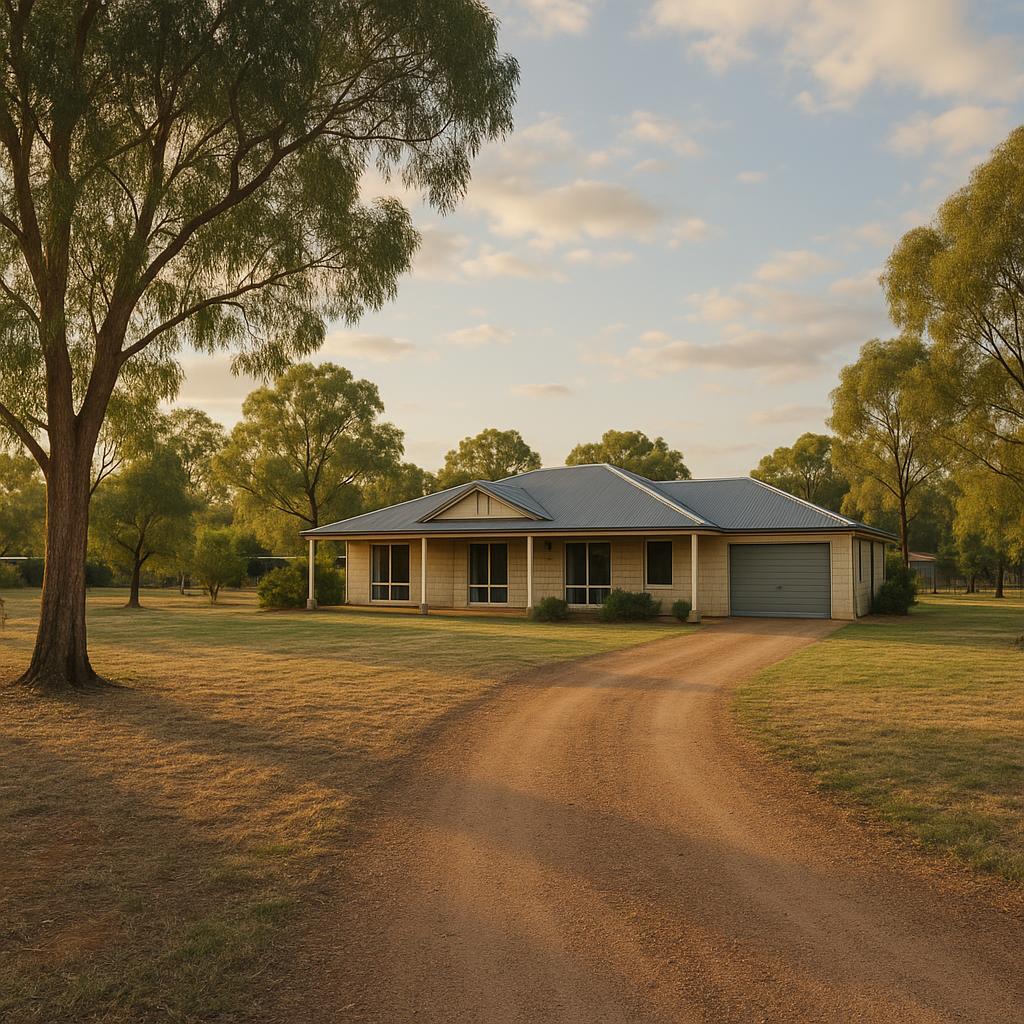
West Swan in 2026 is a semi-rural, lifestyle-led Perth suburb with larger lots, privacy, and longer-term appeal for owner-occupiers and land-focused investors.
It is best suited to buyers who value space, flexibility, and patience more than walkable amenity or a short daily commute.
- Strong fit for lifestyle buyers, tree-change movers, and land-bank investors
- Less suitable for buyers needing walkable amenity or short commute times
- Key watchpoint: zoning, services, flood-prone land, access, and holding costs
Featured snippet takeaway: West Swan rewards patient buyers who understand land, location, and long-term planning.
Key Takeaways
- West Swan is shaped by its rural-residential feel, Swan Valley proximity, and larger-lot appeal.
- Property outcomes here are usually driven by land utility, lifestyle demand, and planning constraints rather than apartment-style turnover.
- Investor angle: potential capital growth can come from land scarcity and corridor uplift, but only after careful zoning and title due diligence.
- Homeowner angle: the area suits buyers wanting space, privacy, hobby farming potential, or multi-generational living options.
- Success in West Swan depends on matching the property type to your purpose.
- Example: a family upsizes from an inner suburb to a larger block for kids, pets, and a workshop, while an investor holds a parcel of land waiting for longer-term rezoning uplift.
Pros & Cons
Pros
- Larger land parcels and lifestyle appeal
- Semi-rural character with a sense of space and privacy
- Proximity to Swan Valley attractions and the wider eastern corridor
- Appeal to buyers seeking long-term land value rather than dense suburban living
- Flexible use cases: family homes, equestrian, hobby farming, storage, or custom builds where permitted
Cons
- Fewer everyday amenities within easy walking distance
- Longer commute times and higher car reliance
- More complexity around services, land use, and approvals
- Higher maintenance expectations for bigger blocks and rural-style properties
Why it matters: the same features that create appeal can also create holding costs and lifestyle trade-offs.
Watch-out example: a buyer falls in love with acreage but underestimates fencing, water, septic, and garden upkeep.
Suburb snapshot
- Positioning: semi-rural pocket in Perth’s east, influenced by Swan Valley, larger lots, and low-density living.
- Buyer profile: lifestyle buyers, families wanting space, trades, home-business owners, and land-focused investors.
- Property feel: predominantly detached homes and larger blocks, with some properties potentially suitable for renovations, extensions, or redevelopment subject to approvals.
West Swan often appeals to buyers who want their home to feel like a destination, not just a postcode.
Investor view
Investment thesis
West Swan is a land-led market. Investors usually focus on land scarcity, lifestyle demand, and corridor uplift rather than quick rental churn. That means the holding period and exit plan matter more than in high-turnover suburban markets.
What investors should look for
- Block size and usability
- Zoning and planning constraints
- Road access and exposure to future infrastructure changes
- Renovation potential versus rebuild potential
- Tenant appeal for those seeking semi-rural living
Mini case-study
Example scenario: an investor purchases a property with older improvements on a generous block, improves livability, and waits for broader area demand to strengthen. The lesson is simple: value can come from patient repositioning, not just immediate cash flow.
Investor tips
- Prioritise title and planning review before making assumptions.
- Check whether the land can support future subdivision, extensions, or ancillary uses.
- Budget for higher upkeep than a standard suburban house.
- Compare holding costs against the likely tenant pool.
Investor view: West Swan can work best as a long-term land-and-lifestyle play, not a set-and-forget low-maintenance investment.
For comparison with other Perth lifestyle pockets, see our guides to The Vines and Carmel.
Homeowner view
Why owner-occupiers are drawn to West Swan
- Space for families, pets, gardens, workshops, and lifestyle hobbies
- More privacy and a calmer feel than dense urban areas
That space can improve day-to-day quality of life for buyers who feel cramped elsewhere.
Practical ownership considerations
- Commute planning and school run logistics
- Water, septic, landscaping, fencing, and ongoing maintenance
- Internet, service access, and delivery convenience
Scenario: a couple moving from townhouse living gains room to breathe, but needs to adjust to bigger chores and more car dependence.
Best-fit homeowner profiles
- Families needing more yard space
- Buyers wanting a home office or studio
- Downsizers seeking a quieter lifestyle with room to host family
- Multi-generational households needing flexible accommodation
Homeowner view: West Swan is strongest for households that want lifestyle first and are comfortable trading convenience for space.
Market drivers
Core forces shaping the market
- Lifestyle migration and space-seeking demand
- West Swan’s association with the Swan Valley and eastern corridor appeal
- Limited supply of well-located larger-lot properties
- Planning and zoning factors that influence future use
In land-led suburbs, scarcity and suitability often matter more than cosmetic upgrades.
How to read the market
- Lifestyle buyers who want the property itself
- Investors who want land-banking potential
- Families who want practical space
The market can move differently depending on whether buyers are chasing lifestyle now or future development later.
Cost of Living Breakdown
Main cost categories to plan for
- Mortgage or rent
- Fuel and vehicle use
- Property maintenance and grounds care
- Utilities and service connections
- Insurance considerations for larger or semi-rural properties
Why this matters: West Swan may look appealing on price-to-space terms, but total ownership cost can be higher than in compact suburbs.
Scenario examples
A family may save on house-size stress but spend more on fuel and garden maintenance. An investor may underestimate repairs to long driveways, fencing, or drainage.
Budgeting tips
- Build a buffer for routine upkeep.
- Get quotes for servicing, pest control, and landscape care before buying.
- Compare “weekly cost of living” rather than just purchase price.
Lifestyle & Daily Life
West Swan offers a quieter, more open, and less dense lifestyle than inner suburbs. It suits people who value outdoor living, local produce, and weekend leisure more than nightlife or cafe-strip convenience.
- Morning walks on quieter streets
- Gardening and shed projects on weekends
- Hosting family gatherings with more room to spread out
Conversely, quick errands, nightlife, and walkable cafes are not the suburb’s main draw. If that matters, compare it with Bellevue or Midvale for a more convenience-focused profile.
Schools & Education
Families should assess nearby schooling options, early childhood care, and access to education pathways in surrounding areas. School logistics often shape buyer decisions more than suburb branding.
- Check school catchments and enrolment rules directly with the relevant education authority.
- Test school-run times at peak periods before buying.
- Factor in after-school care, transport, and extracurricular travel.
Trade-off: the lifestyle-space benefit may be worth it, but daily logistics can be more complex than in denser suburbs.
Transport & Commute Details
Car dependence is a major consideration. Access to arterial roads matters for work, school, and weekend errands, and commute friction often determines long-term satisfaction more than buyers expect.
- Travel time to employment hubs
- Traffic patterns at peak periods
- Access to arterial roads and services
- Suitability for people who work from home versus office-based commuters
Example: a remote worker may find the area ideal because commuting is occasional, while a city-based professional may find daily travel tiring over time.
Property type guide
Common property themes
- Larger-lot family homes
- Rural-residential holdings
- Lifestyle properties with sheds, studios, or ancillary spaces
- Renovator homes on usable land
What each property type suits
- Family homes: comfort and space
- Acreage/lifestyle homes: privacy and hobby use
- Older homes: buyers with renovation budgets and patience
Why it matters: property type should match the end goal, not just the dream.
Buyer tips
- Check building condition, drainage, and access first.
- Assess whether the block is practical, not just large on paper.
- Confirm what can and cannot be done with the land.
Comparison with Other Areas
West Swan generally compares as a stronger fit for buyers prioritising land and semi-rural character, while nearby suburbs may offer more convenience, denser amenity, or different price-to-space trade-offs. Use it as a benchmark against lifestyle and eastern-corridor alternatives before you commit.
- Versus The Vines: similar lifestyle orientation, but each pocket can differ in estate feel, access, and property style.
- Versus Bellevue/Midvale: those areas are typically more convenience-oriented and urban in feel.
- Versus inner-middle suburbs: West Swan offers more land and privacy, but far less walkability and density of services.
Rental Market Insights
Likely tenant demand may come from families, workers wanting space, and long-term lifestyle renters. Rental success depends on matching the property’s features to tenant needs.
- Larger homes may attract stable tenants but a smaller pool.
- High-maintenance blocks can increase vacancy risk if upkeep is neglected.
- Pets, sheds, and storage can be tenant magnets if presented well.
Example: a well-maintained family property with flexible outdoor space may lease more easily than an expensive-to-maintain acreage block with limited practicality.
Rental note: verify demand using current rental listings, local agent feedback, and recent leased comparables rather than assumptions.
Future Growth & Development
Longer-term change may come from infrastructure, corridor improvements, population pressure, and planning evolution. In West Swan, upside is often tied to patience and local area transformation.
- Road upgrades
- Land-use planning changes
- Demand spillover from surrounding precincts
- Shifts in buyer preferences toward space and lifestyle
Mini scenario: an owner buys for lifestyle, but the same property later benefits from broader area interest as surrounding land becomes more tightly held.
Safety & Crime
A balanced view is best. Avoid relying on anecdotes or broad assumptions. Semi-rural areas can face different security considerations than dense suburbs, especially where homes sit back from the road or have sheds and outbuildings.
- Use external lighting, gates, fences, and alarms
- Keep sheds and outbuildings locked and insured
- Check visibility from the road
- Review police and local government data for current context
Suggested official sources: Western Australia Police crime statistics, local government community safety information, and property-specific inspections.
Who This Area Is Best For
- Buyers who want space and lifestyle over convenience
- Families needing room to grow
- Investors with a long-term hold mindset
- Buyers comfortable with maintenance and car dependence
Not ideal for buyers seeking walkability, short-horizon speculation, or low-maintenance apartment-style living.
Investor view: think long-term land utility. Homeowner view: think daily logistics, upkeep, and whether the lifestyle trade-off is worth it.
Due diligence checklist
Before buying
- Check zoning, titles, and overlays
- Confirm services, access, and drainage
- Inspect boundary lines, fencing, sheds, and outbuildings
- Review building condition and maintenance history
- Investigate practical commute and school logistics
- Obtain professional advice on development potential if relevant
Investor-specific checks
- Rental demand for the exact property type
- Ongoing upkeep costs
- Insurance implications for larger or semi-rural assets
- Exit strategy if the market shifts
Homeowner-specific checks
- Water and waste arrangements
- Garden and land management needs
- Internet and service reliability
- Suitability for long-term family plans
Red flags / watch-outs
- Assuming all large blocks have the same future potential
- Ignoring zoning or development restrictions
- Underestimating maintenance on older or larger properties
- Buying without checking access, drainage, or service limitations
- Overlooking the cost of car dependence
- Letting lifestyle appeal override practical fit
Why it matters: the biggest mistakes in West Swan usually come from assumptions, not obvious defects.
Common mistakes
- Judging the suburb only by land size and ignoring upkeep.
- Assuming acreage automatically equals subdivision potential.
- Not checking whether a shed, studio, or second dwelling is approved.
- Forgetting to stress-test fuel and commuting costs.
- Buying a “quiet lifestyle” block without checking drainage, fencing, and access.
Tools, templates & resources
- Title and planning searches before making an offer
- Rental appraisal and leased-comparable review
- Building and pest inspection for all dwellings
- Insurance quote tailored to land size and outbuildings
- Commute test at peak time
- School run timing test
Sources & how to verify
- Check current planning and zoning via WA planning resources and the relevant local government website.
- Verify cadastral boundaries and lot details through Landgate or a licensed surveyor.
- Confirm transport routes and service changes using official Western Australian transport sources.
- Review schooling options and catchments through official school-finder or Department of Education pages.
- Cross-check property listings, rents, and sold history on major real estate portals.
- Use ABS Census data for household and demographic context, noting it is lagged and not current market data.
- Check WA Police crime statistics for the latest available suburb-level or district-level information.
- Review local council agendas for roadworks, land-use, and community plans.
- For flood or drainage concerns, check the relevant state government mapping or council flood information.
- Speak with at least one local selling agent and one property manager to test current demand and tenant appeal.
- Inspect the property at different times of day to assess noise, access, and traffic.
- Obtain independent legal and financial advice before buying.
FAQ
Is West Swan a good suburb for families?
Yes, if your family values space, privacy, and outdoor living. It is less ideal if you need walkable amenities and very quick school or work commutes.
Is West Swan good for investors in 2026?
It can be, but mainly for long-term investors who understand land value, planning constraints, and holding costs. It is not the best fit for buyers chasing fast turnover.
What type of property performs best in West Swan?
Usually, properties with practical, usable land and flexible improvements tend to be more compelling than oversized blocks that are difficult or costly to maintain.
Is West Swan expensive to live in?
The biggest cost pressure often comes from transport, maintenance, and services rather than just the purchase price. Always budget for the true weekly cost of ownership.
How does West Swan compare with nearby suburbs?
West Swan generally offers more space and a stronger lifestyle focus, while nearby urbanised areas often provide more convenience and easier daily logistics.
What should I check before buying in West Swan?
Zoning, title details, drainage, access, services, and the practical upkeep of the land should be high on the list. Do not rely on visual appeal alone.
Does West Swan suit first-home buyers?
It can, if they are comfortable with ongoing maintenance and car dependence. First-home buyers should stress-test their budget and commute before committing.
Where can I verify safety and crime information?
Use official WA Police statistics, local council information, and a property-specific inspection rather than relying on hearsay or outdated commentary.
Conclusion
West Swan suits buyers who value land, lifestyle, and patience. If you want space and can manage the trade-offs, it can be compelling. If you need convenience and low maintenance, it may not be the best fit. The smartest West Swan purchases are made with clear goals, careful due diligence, and a long-term perspective.
Internal link suggestions
- The Vines Property Market & Investment Guide 2026, Western Australia
- Carmel Property Market & Investment Guide 2026, Western Australia
- Bellevue Property Market & Investment Guide 2026, Western Australia
- Midvale Property Market & Investment Guide 2026