Quick Answer
West Perth showcases a vibrant property market characterized by its close proximity to the CBD, appealing lifestyle, and diverse property types, making it attractive for both investors and homeowners. In 2026, steady growth trends are underpinned by strong infrastructural development and an upward trajectory in rental demand.
Key Takeaways
- Current growth trends indicate sustainable demand for properties.
- Proximity to amenities positions West Perth as a strategic investment.
- Future developments are set to enhance property values and livability.
Pros & Cons
Pros
- Strong infrastructure and services, including public transport.
- Close proximity to the city center and employment hubs.
- Diverse range of property types, catering to different buyer needs.
Cons
- Potential for market volatility given economic shifts.
- High competition may lead to bidding wars for select properties.
Suburb Snapshot
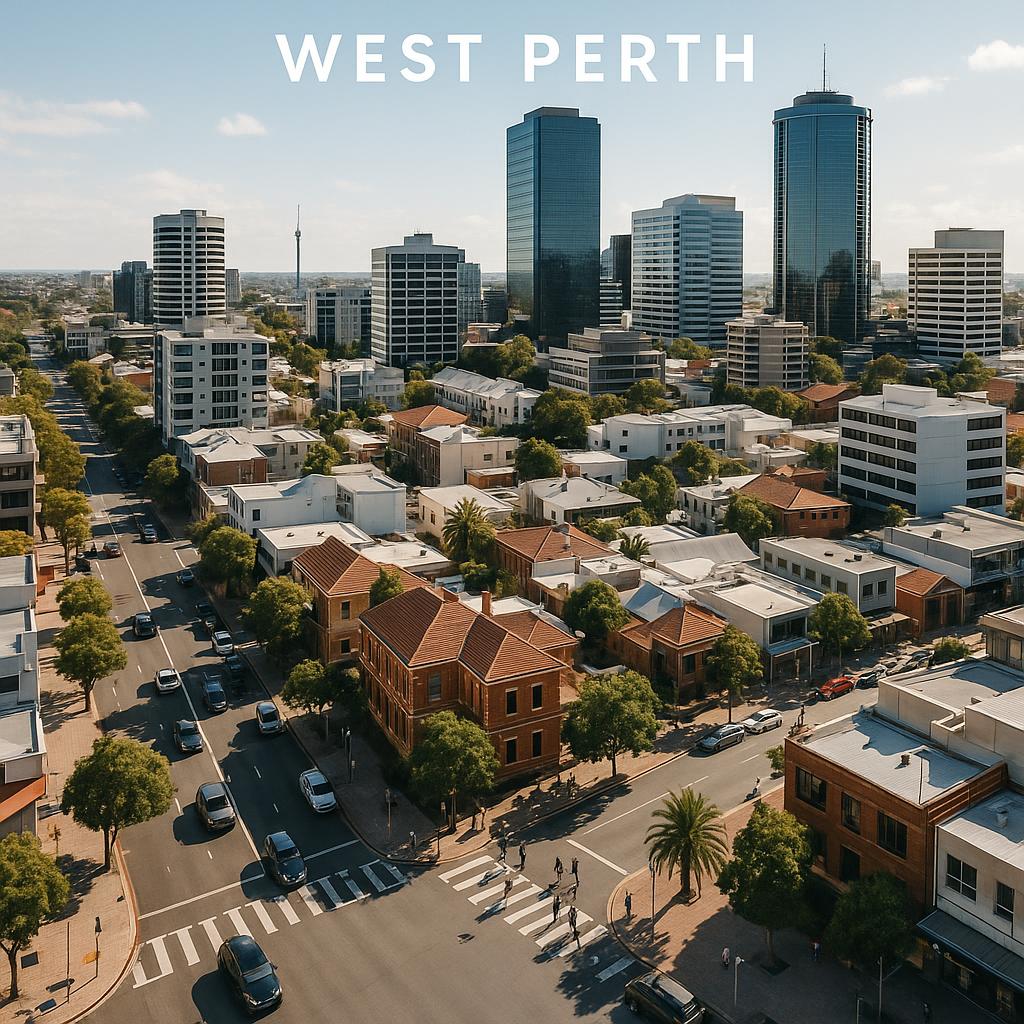
West Perth is a well-established suburb known for its blend of heritage and modernity. Its demographics include a mix of young professionals and families, benefiting from numerous parks and proximity to key landmarks such as Kings Park and the Perth CBD.
Investor View
Investors can expect reasonable yield rates, typically ranging from 4-6%. A comparative analysis of buying vs. renting in West Perth indicates that owning property remains a worthwhile long-term investment. Recent case studies highlight investor success through property renovations and strategic acquisitions.
Homeowner View
Homeownership in West Perth offers lifestyle benefits such as easy access to cafes, restaurants, and cultural hubs. Affordability remains competitive when compared to the broader Perth metropolitan area. Mini case studies illustrate how families have found their ideal homes in the suburb, leveraging its community features.
Market Drivers
Several factors impact property growth, including:
- Strong economic performance of Perth, driving job creation.
- Ongoing local government infrastructure projects aimed at enhancing community appeal.
- Population growth due to migration attracted by lifestyle and job opportunities.
Cost of Living Breakdown
Average living costs reflect household needs:
- Utility costs: approximately $180 to $250 per month.
- Grocery expenses for a family range from $800 to $1,200 monthly.
> For comprehensive living cost comparisons, resources such as the Numbeo cost of living index can be informative.
Transport & Commute
West Perth boasts robust public transport options:
- Bus and train services connect residents to the Perth CBD and beyond.
- Average commute times to the CBD are around 10 to 20 minutes by public transport.
Property Type Guide
- Apartments: Predominant in the area, offering urban conveniences.
- Pros: Less maintenance, ideal for investors.
- Cons: Limited outdoor space.
- Houses: Available options vary, with properties that appeal to families.
- Pros: More space and potential for capital growth.
- Cons: Higher costs and maintenance.
Rental Market Insights
Rental yields in West Perth vary, generally ranging from 4.5% to 6%. Demand remains consistent, driven by younger demographics and professionals seeking to rent near work. Landlords must be aware of market fluctuations and tenant needs, adapting strategies accordingly.
Schools & Education
West Perth provides educational resources with options for both public and private schools. Proximity to higher education institutions such as The University of Western Australia enriches the area’s appeal for families. Regular school rankings can be verified through the Department of Education, WA.
Lifestyle & Daily Life
The suburb is famous for its vibrant café culture, with several local spots gaining popularity among residents. Community events and cultural activities, from markets to exhibitions, play a crucial role in building a sense of belonging.
Comparison with Nearby Suburbs
When compared with suburbs like Subiaco and Leederville, West Perth stands out for its blend of residential tranquility and urban proximity. Each suburb has its strengths, catering to different lifestyle preferences.
Future Growth & Development
Upcoming projects include the planned redevelopment of park areas and improvements to transport links, which could considerably boost property values in the coming years.
Safety & Crime
West Perth enjoys a reputation for safety. Recent initiatives aimed at community safety can be explored through official resources such as the WA Police Force website.
Who This Area Is Best For
Families, professionals, and retirees alike can find suitable offerings in West Perth. Personal stories indicate strong community ties and accessible amenities appeal across demographics.
Due Diligence Checklist
- Research comparable sales in the area.
- Engage local real estate agents for expert insights.
- Check development plans with the local council.
- Review rental histories from property management agencies.
Red Flags & Watch-Outs
- Overdeveloped areas may lead to diminishing returns.
- Inconsistencies in property valuations should raise concerns.
FAQ
- What is the average property price in West Perth? Prices vary; check real estate websites for the most recent data.
- How has the rental market changed recently? The rental market has seen consistent demand and moderate increases.
- Are there any new developments in the pipeline? Yes, consult the local council or planning department for major redevelopment projects.
Sources & how to verify
- Australian Bureau of Statistics (ABS)
- Realestate.com.au
- Domain.com.au
- WA Planning Portal
- WA Police Force
- Department of Education, WA
- The University of Western Australia
- Numbeo
Conclusion
West Perth presents robust investment opportunities backed by continuous development and attractive living conditions. Comprehensive research will guide potential buyers and investors in navigating the vibrant property market.