Quick Answer
- Glen Innes is an affordable agricultural town in New England.
- Attracts families and investors seeking a rural lifestyle with community charm.
Key Takeaways
- Strong community spirit and agricultural economy.
- Affordable housing options compared to urban centres.
- Growing interest from investors and new residents.
Pros & Cons
Pros
- Affordable real estate
- Strong agricultural base
- Community-oriented lifestyle
Cons
- Limited urban amenities
- Potential for low rental demand in some areas
- Dependence on agricultural market fluctuations
Suburb Snapshot
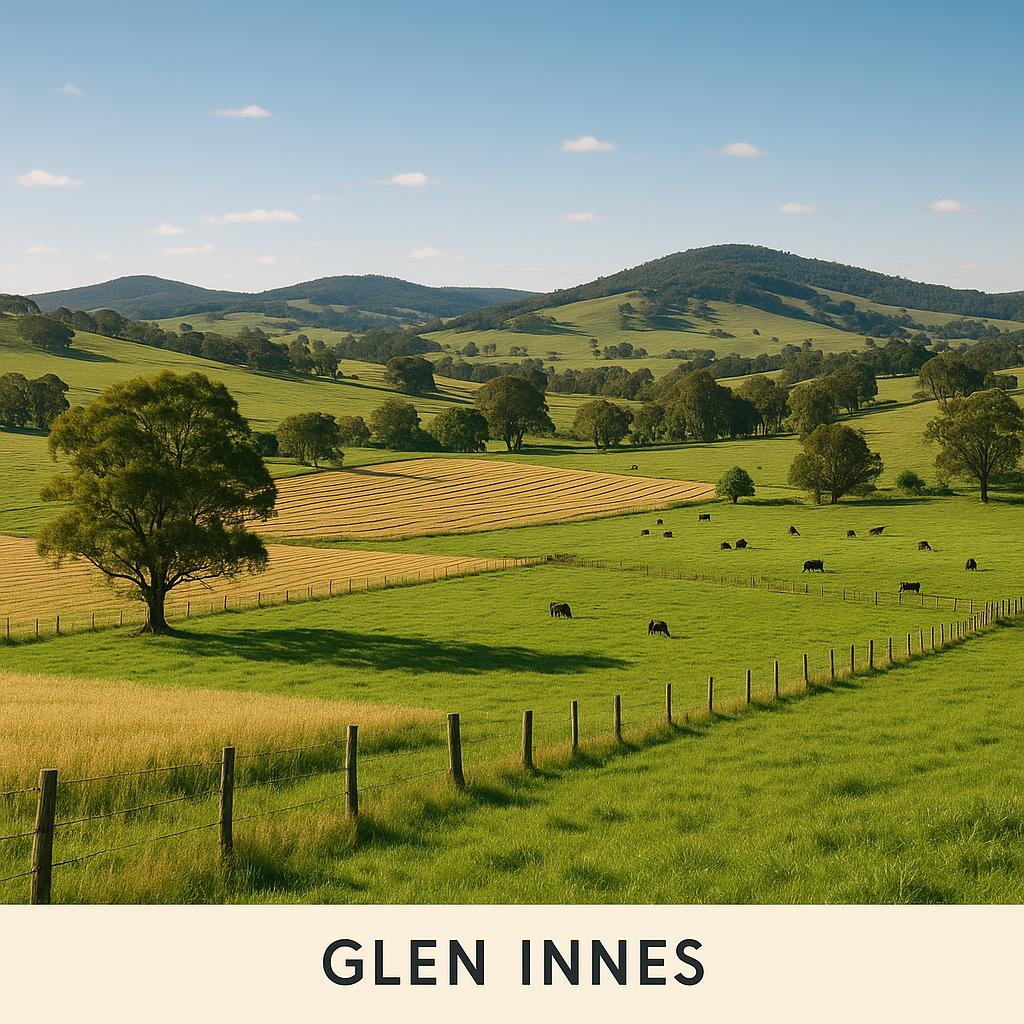
Glen Innes serves as a gateway to the breathtaking New England region, known for its agricultural productivity and rich history linked to the gold rush era. The suburb is characterised by its vibrant community and a demographic mix that includes families, retirees, and investors drawn to its affordable real estate prices. Major industries include agriculture and tourism, leveraging the region’s beautiful landscapes.
Investor View
Investors stand to gain from the low entry costs in Glen Innes, coupled with the region’s expanding agricultural industry. Investors have reported strong returns in rental properties due to low vacancy rates driven by local employment opportunities in farming and tourism.
Homeowner View
Families appreciate Glen Innes for its community-oriented lifestyle. Residents enjoy local festivals and farmers markets that foster a strong sense of belonging. Many current homeowners describe their experience as enhanced by the outdoor lifestyle, affordable housing, and welcoming community.
Market Drivers
Key factors driving property values in Glen Innes include the steadily expanding agricultural sector and investment in local infrastructure. Recent developments have introduced more amenities, catering to the increasing interest of new residents.
Cost of Living Breakdown
The cost of living in Glen Innes is significantly lower compared to major urban centres such as Sydney or Melbourne. Housing prices are considerably more affordable, while everyday essentials like groceries and utilities can also be budget-friendly. For accurate local costs, research platforms like Numbeo.
Transport & Commute
Public transport is limited but includes several bus services connecting Glen Innes with nearby towns. Commute times to larger cities such as Armidale or Tamworth typically range from 30 minutes to an hour. For accurate transport options, check the Transport for NSW website.
Rental Market Insights
Glen Innes’ rental market is characterised by a mix of houses and townhouses, appealing primarily to families and individuals relocating from urban areas. Average rental yields vary, often favouring three to four-bedroom homes, making it essential to regularly review realestate.com.au for the latest rental trends.
Schools & Education
Current educational facilities in Glen Innes include primary and secondary schools with a focus on community integration. Local involvement from residents helps enhance educational standards, and forums and school events actively promote this engagement. For up-to-date school rankings, consult the NSW Government school finder.
Lifestyle & Daily Life
Glen Innes offers residents a taste of rural life with easy access to parks and recreational areas. Regular community events celebrate local culture and agriculture, while the surrounding landscape allows for activities such as hiking, fishing, and camping.
Comparison with Nearby Suburbs
Compared to other regional areas like Armidale and Tamworth, Glen Innes provides a quieter lifestyle while maintaining proximity to essential services. This appealing balance of tranquillity and accessibility is attractive to both families and investors.
Future Growth & Development
The local government has laid out plans for sustainable development that include investments in infrastructure to support a growing population. Given the historical significance of the area, this growth is projected to continue, improving the suburb’s appeal.
Safety & Crime
Glen Innes has a relatively low crime rate, reflecting its strong community spirit and proactive local initiatives. However, for specific statistics and historical data, refer to official government resources such as the NSW Police.
Who This Suburb Suits
Ideal for young families, retirees, and investors looking for a community-focused environment and affordable housing solutions. New residents enjoy the blend of agricultural charm and a supportive community atmosphere.
Due Diligence Checklist
- Check local market trends via real estate platforms.
- Investigate community plans and local government initiatives.
- Engage with local real estate agents for insights.
- Explore transport options and commuting times.
- Review school options and community involvement.
- Consult safety data through local authorities.
Red Flags & Watch-Outs
- Be cautious of property listings that experience overly long vacancy periods.
- Research local economic sustainability beyond agriculture.
- Keep an eye on developments that may influence property demand.
FAQ
- What is the average price of homes in Glen Innes?
While specific statistics vary, homes generally remain more affordable compared to metropolitan areas. Check real estate platforms for up-to-date pricing.
- Is Glen Innes a good place for families?
Yes, it boasts a strong community and several family-oriented activities and facilities.
- What educational options are available?
Glen Innes features various primary and secondary schools, often supported by community initiatives.
- How is the public transport system in Glen Innes?
Limited but functional, with bus services connecting to surrounding towns.
- What recreational activities are available?
Outdoor opportunities include parks, hiking, and local community events.
- How does Glen Innes compare to nearby towns like Armidale?
Glen Innes offers a quieter lifestyle while still being accessible to essential services.
- Is investing in Glen Innes advisable?
Affordability and growing interest suggest potential for good returns.
Sources & How to Verify
- Visit realestate.com.au for housing data.
- Check Transport for NSW for public transport specifics.
- Explore NSW Government school finder for school information.
- Utilise Numbeo for cost of living comparisons.
- Research regional trends through the Australian Bureau of Statistics.
- Access crime statistics via NSW Police.
- Review local developments via the local council site.
- Engage with forums and community boards for resident opinions.