Quick Answer
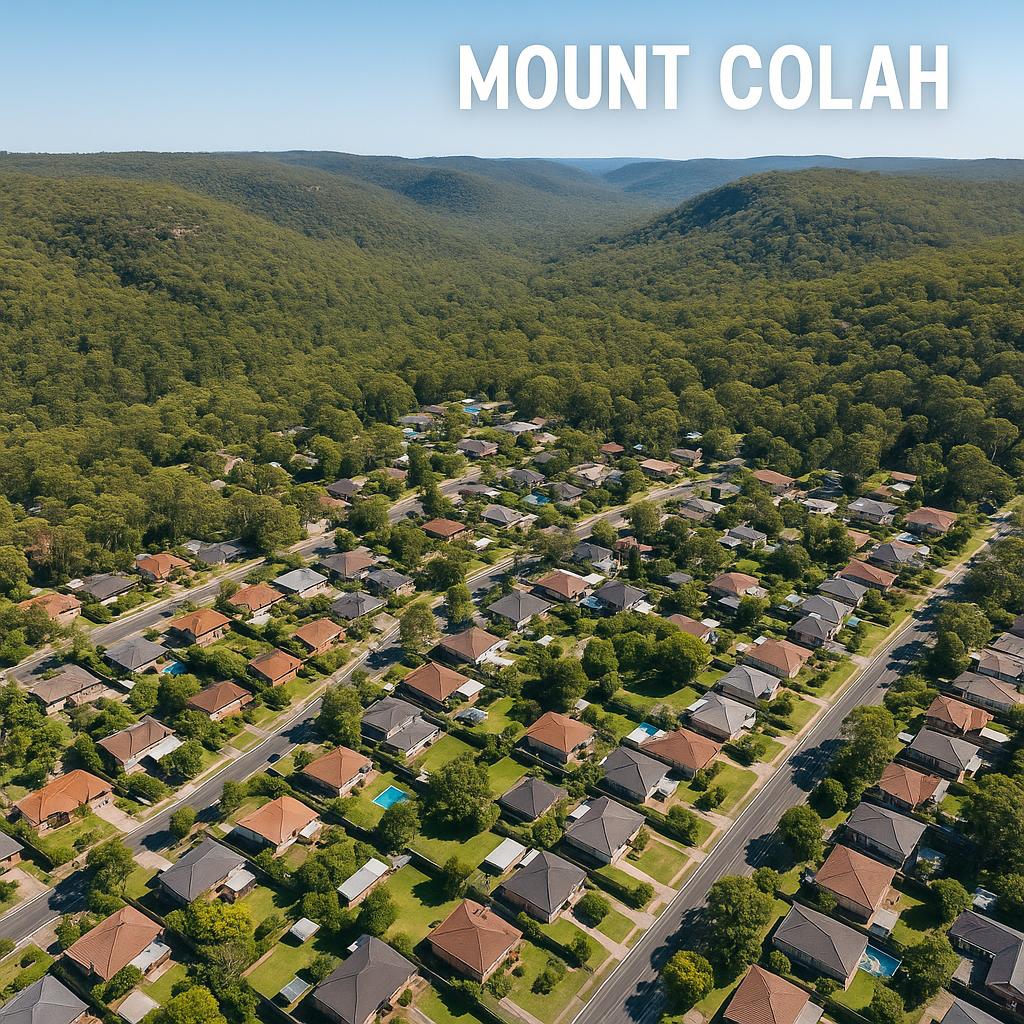
- Mount Colah is a tranquil bushland suburb located on Sydney’s northern rail line.
- Known for its green spaces, family-friendly atmosphere, and accessibility to Sydney’s CBD.
- Offers a balanced lifestyle between nature and city convenience.
Key Takeaways
- Location: Easily accessible by train.
- Community: A family-oriented suburb with a strong sense of community.
- Nature: Surrounded by bushland and parks, ideal for outdoor enthusiasts.
- Affordability: Generally more affordable than neighboring suburbs, making it suitable for families and first-time buyers.
Pros & Cons
Pros:
- Lush green environment
- Good transport links
- Family-friendly amenities
Cons:
- Limited commercial options
- Commute times can be longer compared to inner suburbs
- Potential for wildlife interactions
Suburb Snapshot
- Location: Northern Sydney, approximately 30km from the CBD.
- Population: Residential demographic includes families, retirees, and nature enthusiasts.
- Housing: A mix of properties, including single-family homes and townhouses, offering competitive pricing.
Investor View
- Potential Returns: With its natural scenery and family-oriented environment, Mount Colah is gaining attention from investors due to its growth projections.
- Rentals: The rental market is steady, with a consistent demand driven by families and commuters to Sydney.
- Case Study: Successful investment stories involve properties that appreciate due to their proximity to public transport and local amenities.
Homeowner View
- Family-Life: Mount Colah is especially appealing for families seeking a quieter lifestyle near nature; parks and activities abound.
- Personal Stories: Residents often cite community spirit, outdoors activities, and accessibility as key benefits of living here.
Market Drivers
- Infrastructure Development: Review proposed developments by accessing the NSW Planning Portal for the latest information on planned facilities.
- Access: Current transport links are strong, with potential upgrades that could enhance property values and living conditions.
Cost of Living Breakdown
- Housing Costs: Investigate average home prices through real estate websites like Realestate.com.au for up-to-date market information.
- Daily Expenses: Utilities and grocery costs can vary, generally reflecting Sydney standards, but often remain lower than those in more central suburbs.
Transport & Commute Details
- Public Transport Options: Mount Colah is serviced by the Sydney Trains network, providing efficient access to the CBD.
- Commute Times: Expect average travel times to the city to range between 40-50 minutes, depending on peak hours.
Rental Market Insights
- Rental Trends: Current vacancy rates illustrate a stable demand, making Mount Colah attractive for ongoing investment.
- Character of Renters: Most renters are families or professionals wanting high-quality living standards and community access.
Schools & Education
- Local Schools: Primary and secondary education options include respected institutions; details can be verified via the NSW Department of Education.
- Education Culture: The community places a strong emphasis on education, with extensive extracurricular activities available.
Lifestyle & Daily Life
- Community Events: Local councils often host markets, outdoor movies, and family-friendly events that foster community engagement.
- Local Amenities: While major shopping centers are limited, there are ample parks, cafes, and small local shops enhancing daily conveniences.
Comparison with Nearby Suburbs
- Mount Colah vs. Hornsby: While Hornsby offers more commercial options, Mount Colah focuses on family life and natural beauty.
- Mount Colah vs. Asquith: Both suburbs share transport links, but Mount Colah’s serenity appeals more to those wanting a quiet retreat.
Future Growth & Development
- Expected Changes: Check local council developments for potential changes impacting real estate values and living experiences.
- Potential Challenges: Be mindful of market fluctuations and demographic shifts that could influence property values.
Safety & Crime
- Community Safety Efforts: Local initiatives often promote safety awareness and community programs.
- General Perceptions: Crime rates are relatively low; however, current residents may reference official sources like the Bureau of Crime Statistics and Research for detailed insights.
Who This Area Is Best For
- This suburb caters to families, nature lovers, and those seeking a community-centric and tranquil lifestyle.
Due Diligence Checklist
- Research tips: Investigate schools, crime rates, and public transport links thoroughly.
- Important Questions: Inquire about local services and community planning initiatives.
Red Flags & Watch-Outs
- Be aware of wildlife interactions, especially if properties back onto bushland.
- Watch for limited commercial areas and ensure you’re comfortable with available amenities.
FAQ
- What amenities does Mount Colah lack? The suburb has limited retail options compared to nearby Hornsby.
- How has Mount Colah’s housing market changed recently? Prices tend to reflect growth, but specific changes can be checked on real estate platforms.
- What are the best outdoor activities in the area? Popular activities include bushwalking and visits to local parks.
- Are there good public transport links to the CBD? Yes, train access is readily available, making commuting feasible.
- What is the demographic of residents in Mount Colah? The area attracts families, retirees, and commuters.
- What is the local school scene like? Mount Colah features well-regarded schools, verified through educational resources.
Conclusion
Mount Colah presents a solid opportunity for both families and investors seeking a serene lifestyle enriched by nature while maintaining connectivity to Sydney. Given its appealing environment, strong community spirit, and challenging yet rewarding investment landscape, Mount Colah is an area ripe for exploration.
Sources & how to verify
- Realestate.com.au – Current market data on property prices.
- NSW Planning Portal – Information on future developments.
- Bureau of Crime Statistics and Research – Crime statistics for safety insights.
- NSW Department of Education – Local school information.
- Transport for NSW – Public transport information and updates.