Quick Answer
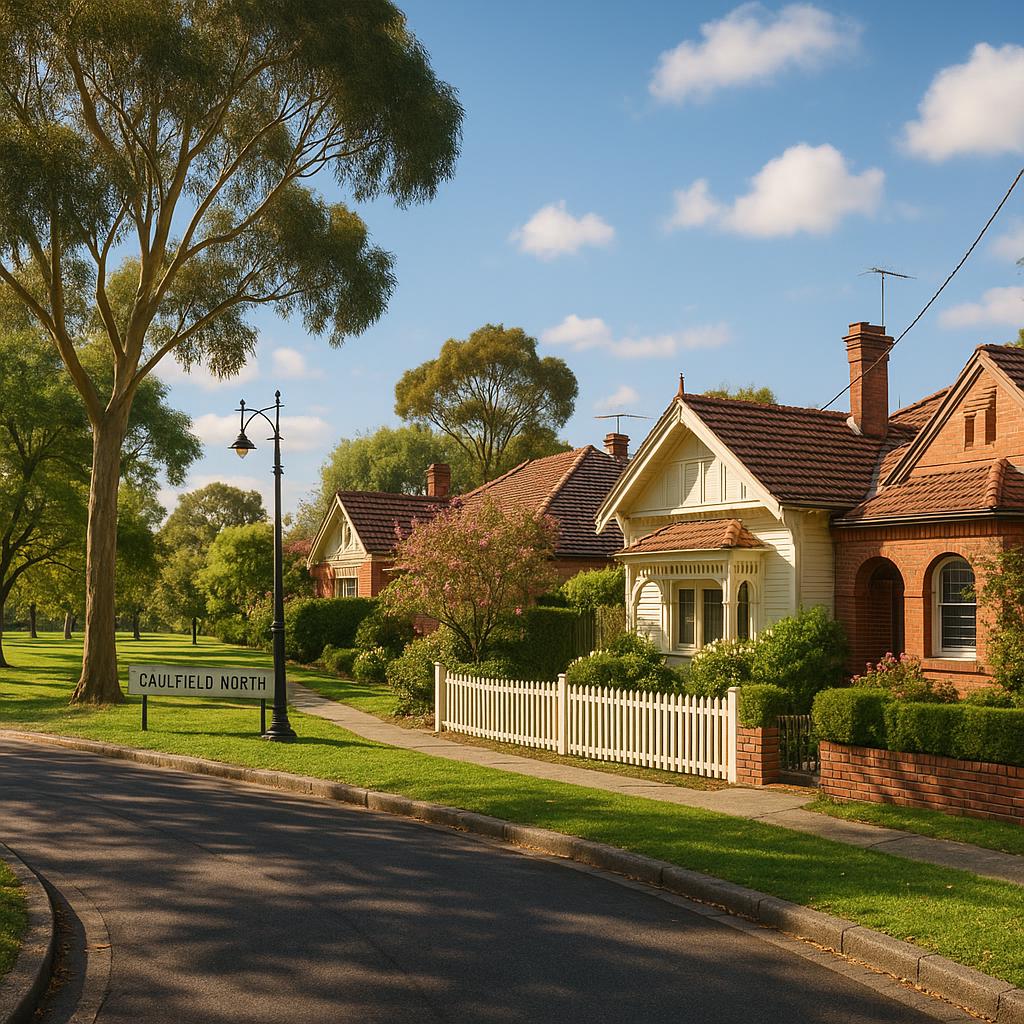
Caulfield North, a vibrant suburb in Melbourne, is experiencing strong auction interest driven by a blend of lifestyle amenities and diverse dining options. The suburb’s appeal stems from its community spirit, proximity to parks, and convenient transport links.
Key Takeaways
- Recent auction results indicate a competitive market with heightened buyer activity.
- A wide array of lifestyle amenities, including restaurants and parks, enhance the suburb’s desirability.
- Emerging hotspots within Caulfield North show promising growth potential for investors.
Pros & Cons
Pros
- Diverse dining scene
- Access to parks and recreational spaces
- Strong community vibe
Cons
- Competition in the housing market
- Potential for noise in busy areas
- Price fluctuations in certain precincts
Suburb Snapshot
Caulfield North is located approximately 10 km south-east of Melbourne’s CBD. Historically, the suburb has developed from a residential area into a highly sought-after locale known for educational institutions, parks, and active community life. It boasts a diverse demographic, enhancing the suburb’s appeal as a family-friendly environment.
Investor View
The current market in Caulfield North offers a range of property types, from Victorian homes to modern apartments. Investors have reported stable historical growth with recent auction trends reflecting strong buyer activity. Case studies demonstrate successful investments in properties located near lifestyle precincts.
Homeowner View
Families are particularly drawn to Caulfield North due to quality schools, such as Caulfield Primary School and Caulfield Grammar. The suburb promotes long-term living benefits through its blend of lifestyle, community activities, and local parks. Homeowners appreciate the balance between urban accessibility and suburban tranquillity.
Market Drivers
- Infrastructure developments: Watch for upcoming transport and community projects from the local government, which could enhance property values.
- Economic factors: Job growth in surrounding areas helps sustain housing demand.
- Lifestyle shifts: Post-pandemic, more people are seeking home office spaces and lifestyle options, further influencing buyer behaviour.
Due Diligence Checklist
- Research property zoning and land use for potential developments.
- Inspect local amenities, parks, and public spaces for suitability.
- Consult with local real estate agents for insights into market conditions.
- Review historical sales and auction data to gauge market trends.
Red Flags & Watch-Outs
- High rental turnover can indicate dissatisfaction within a neighbourhood.
- Recent auction results might reveal market saturation if many properties remain unsold.
- Be wary of ongoing roadworks or planned developments that could affect neighbourhood quality.
FAQ
- What should I know before buying in Caulfield North? Understand the local market conditions and inspect various properties.
- How has the pandemic affected property prices? There may have been fluctuations, but ongoing demand suggests stability.
- What are the best dining spots? Explore the local restaurants along Caulfield’s main streets for a diverse experience.
- How are schools rated in this suburb? Schools like Caulfield Grammar are highly regarded; checking official rankings can provide clarity.
- Is there good public transport access? Yes, the area is well-connected via bus and train services, making commuting easier.
Conclusion
Understanding auction trends and lifestyle amenities in Caulfield North is crucial for making informed property decisions. The suburb presents strong investment potential while offering a rich community experience. Prospective investors and homeowners should engage with local resources and community networks to maximise their insights.
Sources & how to verify
- Realestate.com.au – For current listings and auction results.
- Domain.com.au – To gauge market trends and property sales.
- Caulfield Council – For local government initiatives and infrastructure updates.
- Victorian Department of Education – School rankings and performance metrics.
- Australian Bureau of Statistics (ABS) – Demographic and economic data.
- Victoria Planning Authority – For zoning and land use details.
- REIWA – Useful for regional property market analysis.
- Property Investment Research – Valuable for investment insights.