Quick Answer
The current property market in Southbank demonstrates a blend of increased investment potential driven by strong regional connectivity and various community services. Investors can find growth opportunities, while homeowners benefit from a vibrant urban lifestyle.
Key Takeaways
- Strong growth in regional connectivity through public transport expansions
- Diverse service availability enhances lifestyle choices for residents
- Investment opportunities are present, reflecting evolving market trends
- Importance of thorough research and due diligence cannot be overstated
Pros & Cons
Pros
- Expanding public transport options improve accessibility
- Close proximity to cultural venues and recreational activities
- Positive forecasts for capital growth driven by urban renewal initiatives
- Strong focus on community development and sustainability
Cons
- Possible over-saturation of the rental market could impact yields
- Rising property prices may deter first-time buyers
- Anticipated changes in local council regulations could affect property values
Suburb Snapshot
Overview of Southbank
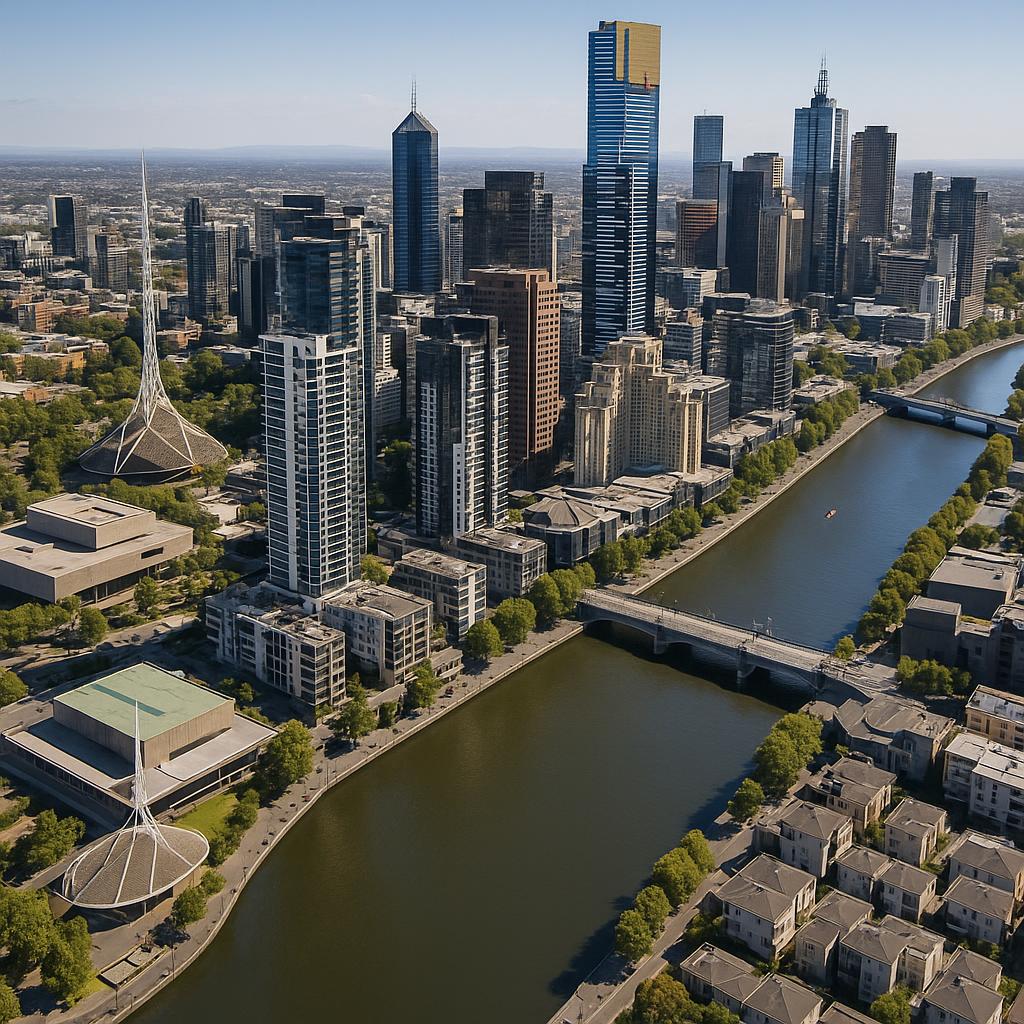
Located just south of Melbourne’s CBD, Southbank has transformed over the years from an industrial area to a bustling urban precinct. It is known for its waterfront promenades, luxury apartments, and cultural institutions such as the National Gallery of Victoria.
Current Demographic Profile
As of the latest data, Southbank is home to a diverse mix of residents, including professionals, families, and students. Population trends indicate a stable growth rate, bolstered by the ongoing development of local amenities and housing.
Investor View
Market Analysis and Trends
Recent insights suggest moderate price movements in Southbank, often fluctuating depending on the supply and demand dynamics. Rental yields could vary, with averages typically ranging from 4% to 6%, but they should be verified through platforms like Realestate.com.au or Domain.
Buyer Behavior and Preferences
Investors are attracting attention for mixed-use developments that cater to a growing population. Different investor profiles have shown interest, from first-timers looking for rental yields to seasoned investors seeking capital growth.
Case Study: Successful Investment in Southbank
A local investor bought a two-bedroom apartment for $700,000, renting it out at $1,000 per week. Their research highlighted high demand among professionals due to proximity to employment hubs, contributing to consistent rental income.
Homeowner View
Lifestyle Considerations and Community Feel
Southbank offers accessible schools, parks, and an array of dining options, fostering a vibrant community feel. Residents often comment on the balance of urban energy with scenic bayside views.
Prospective Buyer Needs and Priorities
When purchasing, buyers prioritize access to public transport, recreational options, and community engagement. A recent case saw a family purchase a property due to its close proximity to primary schools and community facilities.
Emotional Factors Influencing Buying Decisions
Prospective homeowners often feel drawn to Southbank’s cultural vibrancy. The availability of lifestyle amenities enhances community spirit, leading to increased emotional investment in properties.
Market Drivers
Infrastructure Developments and Transport Links
Proximity to key transport hubs, like the Southbank Train Station, significantly influences property demand. Upcoming infrastructure projects aim to enhance connectivity further.
Economic Factors Impacting Real Estate
Local job growth, particularly in the service sector, supports demand for housing. Investors should keep an eye on economic indicators from sources like Australian Bureau of Statistics (ABS).
Cultural and Lifestyle Amenities
The strong presence of arts and leisure facilities, such as theatres and galleries, attract both residents and investors. Their continued growth underscores Southbank’s appeal.
Due Diligence Checklist
- Research the availability of services and public transport
- Analyse property condition through inspections
- Assess neighborhood dynamics, including community activities
- Consult local agents and community organizations
- Utilize government resources to check infrastructure plans
Red Flags & Watch-outs
- Watch for signs of potential market decline, such as increased vacancy rates
- Stay updated on local council policies that may impact property values
- Avoid misjudging costs associated with property maintenance and renovations
FAQ
- What are the average property sizes in Southbank?
Average property sizes vary but generally range from 50 sqm for apartments to over 150 sqm for townhouses. - How has Southbank’s market changed over the past few years?
The market has seen moderate growth, with increasing demand for rental properties alongside rising sales prices. - What are the local amenities that attract residents?
Key amenities include schools, parks, cafes, restaurants, and cultural venues like the Arts Centre Melbourne. - Is Southbank a good investment area?
Yes, due to ongoing infrastructure developments and a strong rental market. - What are typical rental yields in Southbank?
Yields can range from 4% to 6%, but it’s best to verify with up-to-date statistics.
Conclusion
Southbank presents a compelling case for both investors and homeowners, combining a strong cultural appeal with market viability. It’s essential for potential buyers to conduct thorough research and leverage local insights to make informed decisions regarding property investments.
Sources & how to verify
- Realestate.com.au
- Domain
- Australian Bureau of Statistics (ABS)
- Victorian Government
- City of Melbourne
- Transport for Victoria
- Melbourne Transport
- Accessible Transport Information