Quick Answer
Clayfield, a charming suburb near Brisbane’s CBD, offers a vibrant community atmosphere, making it attractive for both homeowners and investors. With essential amenities and strong transport links, residents enjoy easy access to daily conveniences and recreational facilities.
Key Takeaways
- Clayfield’s charm lies in its city-fringe location, fostering a community-centric lifestyle.
- Essential amenities enhance daily living and leisure activities.
- Investment potential remains strong due to proximity to urban features.
Pros & Cons
Pros
- Vibrant community atmosphere fostering connections.
- Diverse local amenities including shopping, dining, and parks.
- Strong public transport options enhancing connectivity.
Cons
- Higher property prices may deter some buyers.
- Limited availability of land for new developments.
Suburb snapshot
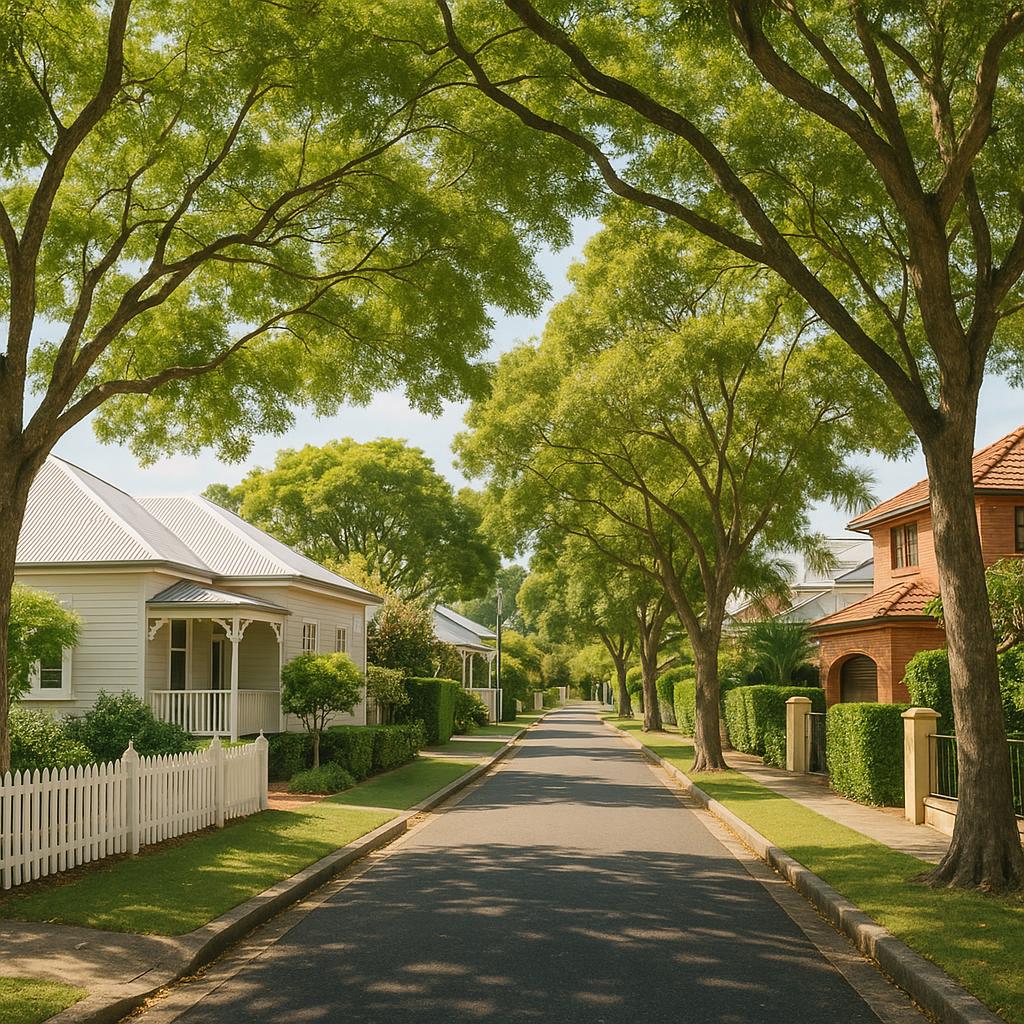
Clayfield, situated approximately 6 kilometers from Brisbane’s central business district, features a blend of historic homes and modern properties. With a residential population mostly comprising families and professionals, the suburb is known for its leafy streets and community-focused events.
Notable landmarks include the Brisbane Grammar School, Sandgate Road’s vibrant dining strip, and plenty of local parks for recreational activities.
Investor view
Investors looking at Clayfield can benefit from its historical growth patterns and consistent demand. For instance, properties adjacent to public transport hubs have historically shown higher yields. An example of investment success is seen with the renovation of older homes into modern family residences, elevating property value in the area.
Choosing Clayfield for property investment allows investors to tap into a location that’s in demand due to its amenities and accessibility.
Homeowner view
Families and professionals alike find Clayfield appealing due to its community involvement and variety of local events. A recent example is a family who found their dream home amid the suburb’s great schools and community atmosphere, highlighting the suburb’s suitability for a balanced lifestyle.
Market drivers
Factors influencing property demand include economic trends such as urbanization and ongoing local development projects which enhance the area’s appeal. Recent infrastructure improvements have also elevated future forecasts for property value.
For example, the development of new facilities like the enhanced parklands and shopping precincts has seen increased interest from both buyers and renters.
Due diligence checklist
- Research local amenities (schools, parks, shops).
- Assess the community vibe through local events and gatherings.
- Review property values and trends using real estate portals.
- Check local council plans for infrastructure and developments.
- Consult legal advisors for documentation regarding properties.
Red flags & watch-outs
Potential investors and buyers should remain cautious of:
- Overpricing in certain areas, especially close to transport.
- The effects of gentrification, which may impact the community dynamic.
FAQ
- What are the public transport options?
Clayfield has multiple bus stops and is close to train stations, facilitating easy travel to Brisbane CBD and surrounding areas. - Are there good schools in the area?
Yes, Clayfield is home to several highly regarded educational institutions that cater to families. - What is the community like?
The community is active and friendly, with frequent local events and activities that bring residents together. - Is Clayfield suitable for families?
Yes, the suburb offers parks, playgrounds, and schools making it family-friendly. - What types of properties are available?
The area features a mix of heritage homes, modern townhouses, and apartments, catering to various lifestyle preferences.
Conclusion
In summary, Clayfield presents an appealing mix of lifestyle advantages and property investment potential. Whether for family living or investment purposes, this suburb’s community feel and accessibility make it a strong contender in the Brisbane property market.
Sources & how to verify
- Brisbane City Council: for local infrastructure and community events.
- Australian Bureau of Statistics: for demographic insights.
- Realestate.com.au: for property listings and market trends.
- Queensland Government: for local policies and developments.
- My School: for school data and rankings in the area.
- Transport for NSW: for public transport options.