Quick Answer
Kingsville is a compact inner-west Melbourne suburb that appeals to buyers who value character, convenience, and a calmer residential feel close to the city. It tends to suit first-home buyers, young families, professionals, and investors who prefer steady demand over speculative plays. The strongest buying case is for homes that combine location, presentation, and low-friction liveability. If you want an established suburb with practical access to nearby amenity, Kingsville deserves serious consideration.
Key Takeaways
- Kingsville offers an inner-west location that can suit buyers wanting city-fringe convenience without a heavily commercial streetscape.
- Market demand is driven more by lifestyle appeal and scarcity of good listings than by new development activity.
- Buyers should expect street-by-street variation, so the exact pocket and property condition matter more than suburb branding.
- Investors are usually better off prioritising tenant appeal, maintenance simplicity, and transport access than chasing headline claims.
- The suburb often works best for people who want character, practicality, and a long-term hold rather than a fast turnover strategy.
Pros & Cons
Pros
- Inner-west positioning supports access to broader employment, shopping, and lifestyle amenity.
- Character housing gives the suburb an established feel that many owner-occupiers actively seek.
- Compact scale can make day-to-day living straightforward for households that value convenience.
Cons
- Limited stock can make the buying process competitive and reduce choice.
- Older homes may need more ongoing upkeep, especially if prior maintenance has been deferred.
- Nearby suburbs can offer more options, so Kingsville needs to justify itself on fit, not just location.
Market Overview
Kingsville is a small inner-west Melbourne suburb with a residential, largely established feel. That compact footprint matters: when a good home appears, buyers often compare it against several nearby suburbs rather than against the wider metropolitan market. In practical terms, Kingsville tends to reward buyers who understand trade-offs between charm, condition, and convenience.
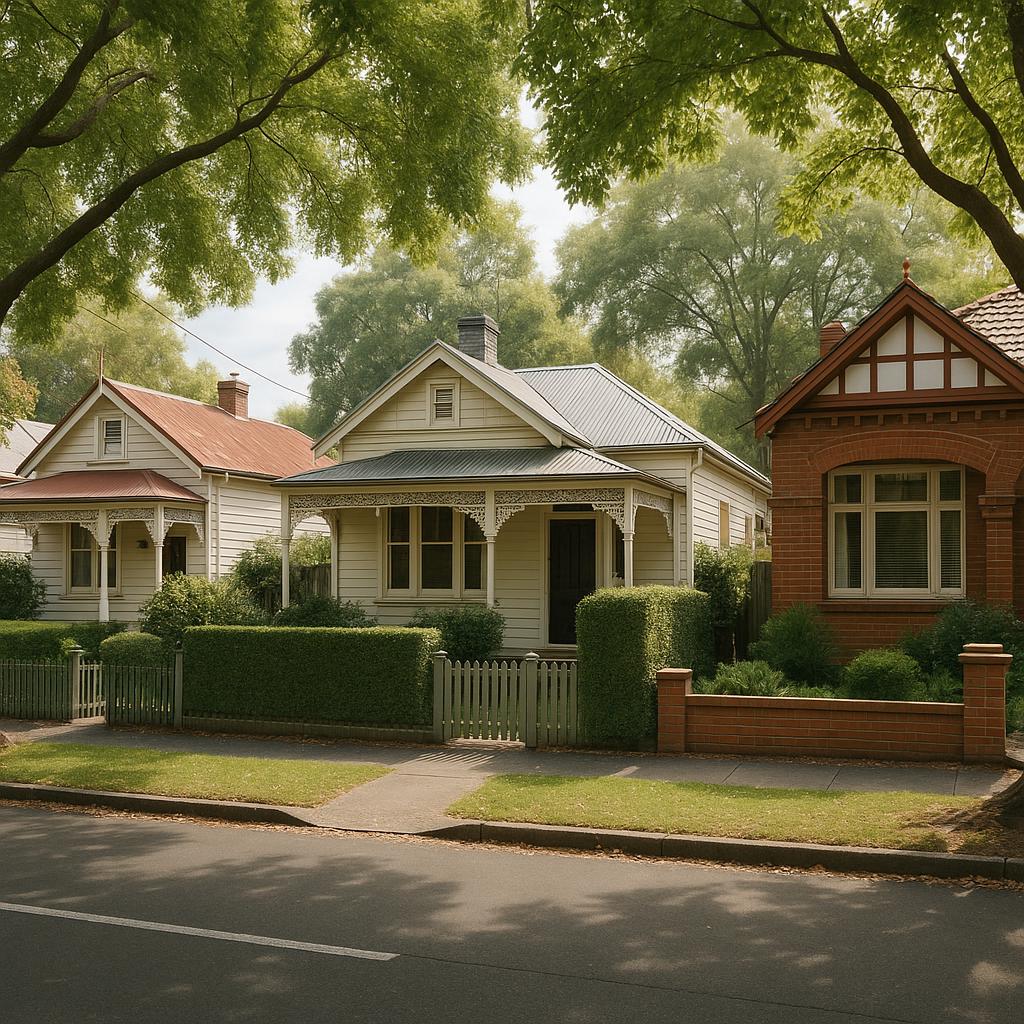
The suburb’s market is shaped by owner-occupier appeal as much as investment logic. Well-kept period homes, tidy townhouses, and low-maintenance dwellings usually attract the most attention because they solve a common inner-west problem: buyers want location certainty without taking on an excessive renovation project.
For investors, the key is not assuming all inner-west suburbs behave the same. Kingsville’s smaller scale means micro-location, street presentation, parking, and access to surrounding amenity can influence outcomes materially. That makes comparable sales and current listings especially important when assessing value.
Buyer Demand
Demand in Kingsville generally comes from buyers who already understand the inner-west and want a practical lifestyle base. First-home buyers, couples, small families, and professionals are the most obvious audience, but the common thread is the same: they want a manageable home in a convenient position.
Competition tends to sharpen for move-in-ready homes, updated interiors, and properties with clear day-to-day utility. Original-condition homes can still attract interest, but buyers usually want either strong land value, renovation upside, or a layout that feels workable from day one.
Rental Market
Kingsville is the kind of suburb that can appeal to renters who value access and simplicity more than size. A low-maintenance home with a functional floorplan, decent presentation, and good transport convenience is usually easier to market than a larger property that feels expensive to maintain.
Likely tenant demand comes from professionals, couples, and smaller households wanting an inner-west base. For landlords, the practical strategy is to match the dwelling to the tenant profile: tidy, comfortable, and easy to live in often beats over-capitalised finishes that do not translate into better lease outcomes.
Lifestyle, Transport & Schools
Kingsville’s lifestyle appeal is about everyday ease. It offers a calmer residential atmosphere than more retail-heavy nearby centres, while still keeping buyers close to broader inner-west amenity. That balance often matters more to residents than any single “destination” attraction.
Transport convenience is a major consideration for both buyers and renters, especially for households commuting toward the CBD or other employment hubs. The exact street and access route matter, so buyers should test the suburb at different times of day rather than relying on broad assumptions.
School considerations are usually assessed in the broader local context rather than by suburb name alone. Families should verify zoning and enrolment details directly, then weigh childcare, primary school access, and the daily logistics of school runs alongside the home itself.
Kingsville Suburb Profile
Official 2021 Census snapshot for the ABS Suburbs and Localities geography.
Age profile
Housing tenure
Occupied private dwellings by tenure type.
Salary & income profile
Median total income reported in the Census.
*Annual figures are weekly median × 52 estimates, not separate ABS annual medians.
Education & qualifications
Highest educational attainment, people aged 15+.
Employment status
People aged 15+ who reported being in the labour force.
Industry of employment
Top responses among employed people aged 15 years and over.
Occupation profile
Broad occupation groups among employed residents, including managers.
Property Type Guide
- Period homes: Best for buyers who want character and renovation potential, but they need careful due diligence on maintenance.
- Renovated homes: Often appeal to owner-occupiers and investors seeking stronger presentation and lower near-term hassle.
- Townhouses: Useful for buyers wanting a lower-maintenance path into the suburb, though land content may be limited.
- Units and compact dwellings: Can suit first-home buyers or investors prioritising ease of management and broader affordability.
Risks & Watch-Outs
- Good listings may move quickly, so finance approval and inspection readiness matter.
- Older housing can conceal expensive repair work behind cosmetic updates.
- Street-by-street differences can affect noise, parking, and overall buyer appeal.
- Renovation budgets are often underestimated when buyers focus too heavily on charm.
- Investors should verify realistic rent using current comparable listings rather than relying on broad suburb reputation.
Nearby Suburbs to Compare
- South Kingsville VIC Property Market Guide: Buyers & Investors
- Seddon VIC Property Market Guide: Buyers & Investors
- Yarraville
- Footscray
- West Footscray
FAQ
Is Kingsville a good suburb for first-home buyers?
It can be, especially for buyers who want inner-west access, character, and a smaller suburban scale. The main challenge is balancing budget against condition, because older homes often need more work than their presentation suggests. Buyers should compare the total cost, not just the asking price.
Is Kingsville a good suburb for property investors?
It can suit investors who want broad tenant appeal and a practical location close to inner-west amenity. The strongest strategy is usually a well-presented, low-maintenance property that is easy to lease and simple to hold, rather than a high-upkeep dwelling with uncertain upside.
What types of homes are common in Kingsville?
Buyers will commonly see a mix of period homes, renovated dwellings, townhouses, and some compact units. The exact stock changes street by street, so it is worth checking current listings and recent sales to understand whether the market is favouring original homes or updated properties.
What should I inspect carefully in a Kingsville property?
Prioritise structural condition, roof and moisture issues, renovation quality, layout practicality, parking access, and street amenity. In a suburb with older housing stock, cosmetic presentation can hide expensive defects, so a building inspection and careful due diligence are especially important.
How does Kingsville compare with nearby inner-west suburbs?
Kingsville is often compared with places like Seddon, Yarraville, Footscray, and West Footscray. The best comparison depends on whether you want more character, more stock, a busier centre, or a different price-to-lifestyle balance. Always compare current evidence, not reputation alone.
Conclusion
Kingsville suits buyers who want an established inner-west lifestyle with practical access to the wider Melbourne market. For owner-occupiers, the right purchase is the one that fits your budget, condition tolerance, and daily routine. For investors, the focus should stay on tenant demand, maintenance risk, and long-term usability rather than marketing hype.
Sources & how to verify
- Check current sold results on Domain to see what comparable Kingsville properties are actually trading for right now.
- Review active listings on realestate.com.au to understand stock levels, property type mix, and how quickly similar homes are being advertised.
- Use the Australian Bureau of Statistics for official demographic context if you want to check household profiles and broader area characteristics.
- Confirm local planning controls and any permit overlays through the City of Melbourne or the relevant local authority before assuming renovation or extension potential.
- Verify school zones and enrolment boundaries with the Find My School tool, because catchments can change and may affect buying decisions.
- Check transport service details on Public Transport Victoria so you are relying on current routes and service patterns rather than memory.
- Cross-check neighbourhood amenity and infrastructure updates through official council and government pages so you understand any changes that could affect liveability or resale appeal.