Quick Answer
Tarneit is a large growth suburb in Melbourne’s west that usually suits buyers who want newer housing, family-oriented amenity, and more space for the money than inner-city alternatives. It can also suit investors, but selection matters: the best results typically come from well-located homes in stronger estates with better access to transport, shops, and schools. Treat Tarneit as a pocket-by-pocket market, not a one-size-fits-all suburb.
Key Takeaways
- Tarneit is a growth-area suburb with multiple micro-markets, so estate quality and street context matter more than the suburb name alone.
- It often appeals to first-home buyers, young families, and upsizers seeking newer homes, practical layouts, and stronger space value.
- Investor appeal is driven by broad tenant demand, especially for standard family homes with low-maintenance yards and good daily convenience.
- New supply can be both an advantage and a risk, because it supports choice but can also create competition in nearby estates.
- The smartest strategy is location-led: compare transport, amenity, presentation, and surrounding supply before committing.
Pros & Cons
Pros
- Newer housing stock and master-planned estates can suit buyers who want a move-in-ready suburban lifestyle.
- Broad appeal to families and tenants can support resale and leasing depth when the property is well chosen.
- Relative affordability versus closer-in Melbourne suburbs often gives buyers more home and land utility.
Cons
- Ongoing development can mean more competing listings, which may soften pricing power in some pockets.
- Commute dependence is real here, so transport access and traffic patterns can strongly affect liveability.
- Some streets and estates feel far more established than others, making due diligence essential.
Market Overview
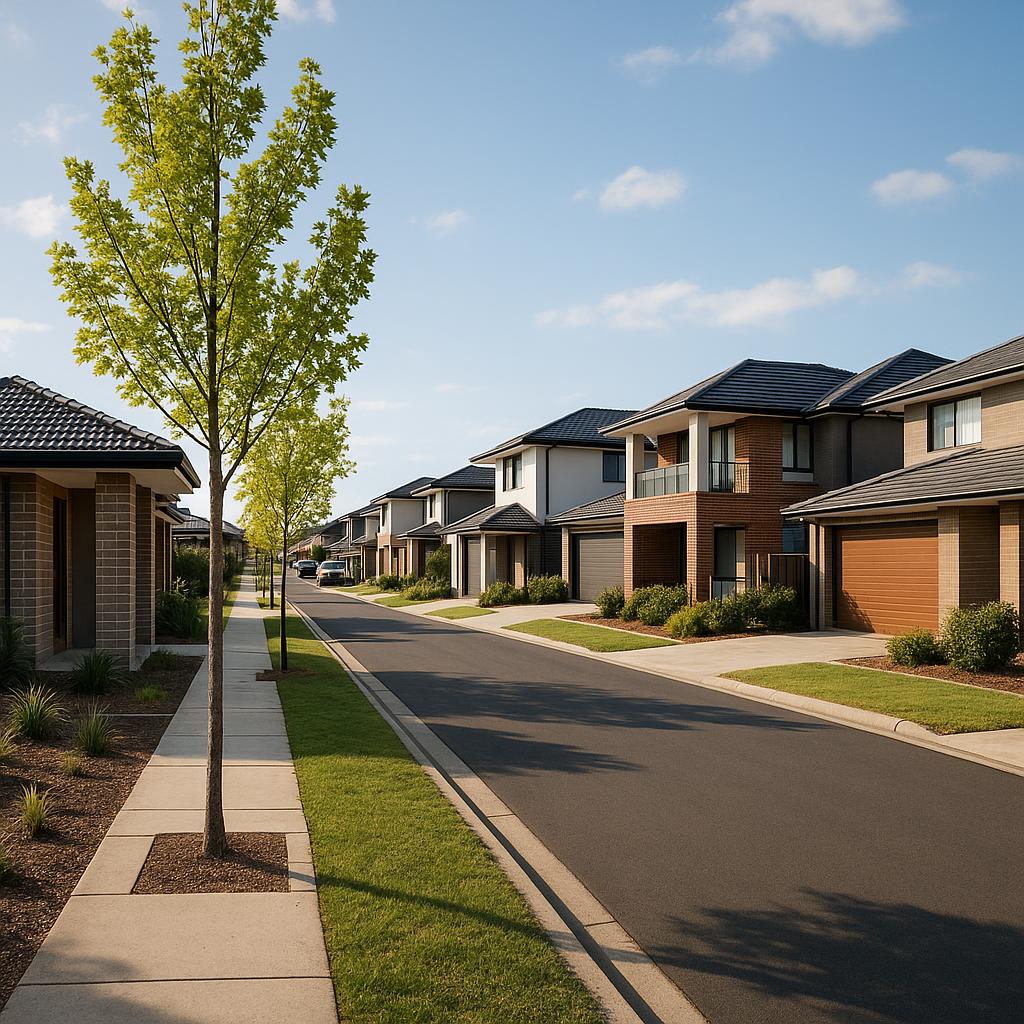
Tarneit is one of Melbourne’s better-known growth suburbs, with a strong family-housing identity and a large volume of newer detached homes. For many buyers, its core appeal is straightforward: more house for the money, plus access to a suburban lifestyle that feels designed around families, not apartments.
The market is best understood as a series of micro-markets rather than a single uniform suburb. Some pockets feel settled and convenient, while others remain in active development mode. That difference matters because street presentation, amenity maturity, and nearby supply can materially affect buyer confidence and future resale depth.
In practical terms, Tarneit rewards buyers who assess real-world livability. Compare how far the home is from transport, shops, and schools, and look at whether the surrounding estate has already developed a stable neighbourhood feel. The best properties usually solve everyday problems well, rather than relying on a glossy new-build impression.
Buyer Demand
Demand in Tarneit tends to come from first-home buyers, young families, upsizers, and investors seeking broad tenant appeal. That mix is important because it gives the suburb a larger buyer pool than a more niche market, but it also means competition can be concentrated around the most practical homes.
Properties usually attract stronger interest when they offer standard family functionality: good bedroom count, usable yard space, easy parking, and sensible access to daily needs. Homes that are close to transport or embedded in a more mature pocket often feel more future-proof because they suit both owner-occupiers and tenants.
Rental Market
Tarneit generally appeals to renters who want modern homes, family layouts, and a low-maintenance suburban base. For investors, that means the strongest rental candidates are usually the homes that are easy to live in, easy to maintain, and easy to explain to a broad tenant audience.
In newer estates, competition can be stronger where many similar homes come onto the market at once. That makes presentation, location, and floorplan practicality more important than novelty. Investors should check current asking rents and comparable leased properties before assuming every modern home will perform the same way.
Lifestyle, Transport & Schools
Tarneit’s lifestyle proposition is practical rather than aspirational in a trendy sense. It suits households that want parks, local shopping, schools, childcare, and a conventional suburban rhythm. For many residents, that convenience is the point: the suburb is built around family routines and everyday functionality.
Transport matters more here than in many established suburbs because daily commuting can shape buyer and tenant decision-making. Train access and road connectivity should be checked against the specific address, not just the suburb name. If a buyer works across Melbourne, peak-time travel testing is worth doing before purchase.
Schools and family amenity are also central to demand. Buyers should verify school zones, childcare options, and the actual walk or drive to key facilities. In family-led suburbs, those details often influence resale demand as much as the house itself.
Tarneit Suburb Profile
Official 2021 Census snapshot for the ABS Suburbs and Localities geography.
Age profile
Housing tenure
Occupied private dwellings by tenure type.
Salary & income profile
Median total income reported in the Census.
*Annual figures are weekly median × 52 estimates, not separate ABS annual medians.
Education & qualifications
Highest educational attainment, people aged 15+.
Employment status
People aged 15+ who reported being in the labour force.
Industry of employment
Top responses among employed people aged 15 years and over.
Occupation profile
Broad occupation groups among employed residents, including managers.
Property Type Guide
- Detached houses: usually the best fit for families, long-term owner-occupiers, and investors targeting broad tenant appeal.
- Townhouses and compact homes: can suit lower-maintenance buyers, but check parking, privacy, and storage carefully.
- Newer house-and-land stock: appealing for fresh interiors and minimal immediate repairs, though surrounding supply matters.
- Established pockets: may offer a more settled streetscape and stronger everyday feel than very new estates.
- Best all-rounder strategy: choose a standard, functional layout in a location with genuine convenience rather than chasing design extras.
Risks & Watch-Outs
- New supply can increase competition for both sellers and landlords, especially in estates with similar-looking homes.
- Two homes with identical floorplans can perform very differently depending on street quality, aspect, and amenity access.
- Buying on newness alone can be a mistake if the location is awkward for commuting, shopping, or school runs.
- Not every newly built home delivers equal quality, so inspections and builder due diligence still matter.
- Homes with weak neighbourhood context may be harder to resell or lease than their brochure presentation suggests.
Nearby Suburbs to Compare
- Werribee
- Point Cook
- Truganina
- Hoppers Crossing
- Wyndham Vale
FAQ
Is Tarneit good for first-home buyers?
Yes, if you want newer housing, family-friendly amenity, and a more affordable suburban entry than many inner and middle-ring Melbourne locations. The key is comparing estates carefully, because the cheapest option is not always the best long-term choice.
Is Tarneit a good suburb for investors?
It can be, particularly for investors who understand tenant demand and choose practical homes in stronger pockets. Look for locations with transport convenience, everyday amenity, and layouts that suit families, because those features usually improve leasing depth and reduce avoidable vacancy risk.
What property type works best in Tarneit?
Detached family homes usually offer the broadest appeal, especially where land utility and parking are strong. Townhouses and smaller homes can work too, but investors and homeowners should assess privacy, storage, and street presentation carefully before assuming lower maintenance automatically means better performance.
What should buyers inspect before purchasing?
Check the estate’s maturity, nearby supply, access to transport, and real-world convenience to shops and schools. Also inspect build quality, drainage, street presentation, and how the home sits within the broader pocket, because those factors often matter more than the marketing description.
How does Tarneit compare with nearby western suburbs?
Tarneit is usually best seen as a newer, growth-oriented option with a strong family focus. Nearby suburbs may offer different mixes of amenity maturity, housing age, and transport feel, so compare them based on your goal rather than choosing by name alone.
Conclusion
Tarneit can be a smart suburb for buyers who want value, space, and a family-focused lifestyle, but it rewards careful selection. The strongest outcomes usually come from choosing a well-located home in a more settled pocket, not simply buying the newest or cheapest property available.
Sources & how to verify
- Check current listings and recent sold results on Domain to verify live pricing, rental competition, and how different Tarneit pockets are being marketed today.
- Use realestate.com.au to compare asking rents, home types, and listing depth so you can see whether supply is concentrated in particular estates.
- Review suburb and demographic context on the Australian Bureau of Statistics to understand household structure and how the population profile may support housing demand.
- Confirm planning activity and local infrastructure updates through Wyndham City Council before assuming a pocket will remain quiet or unchanged.
- Verify public transport routes, station access, and service changes on Public Transport Victoria because commute convenience is a major part of Tarneit’s liveability story.
- Check school zones and enrolment information on Find My School so you do not rely on agent wording or outdated boundary assumptions.
- Use Victorian Government pages for broader government announcements, since transport, education, and local planning changes can shift suburb appeal over time.