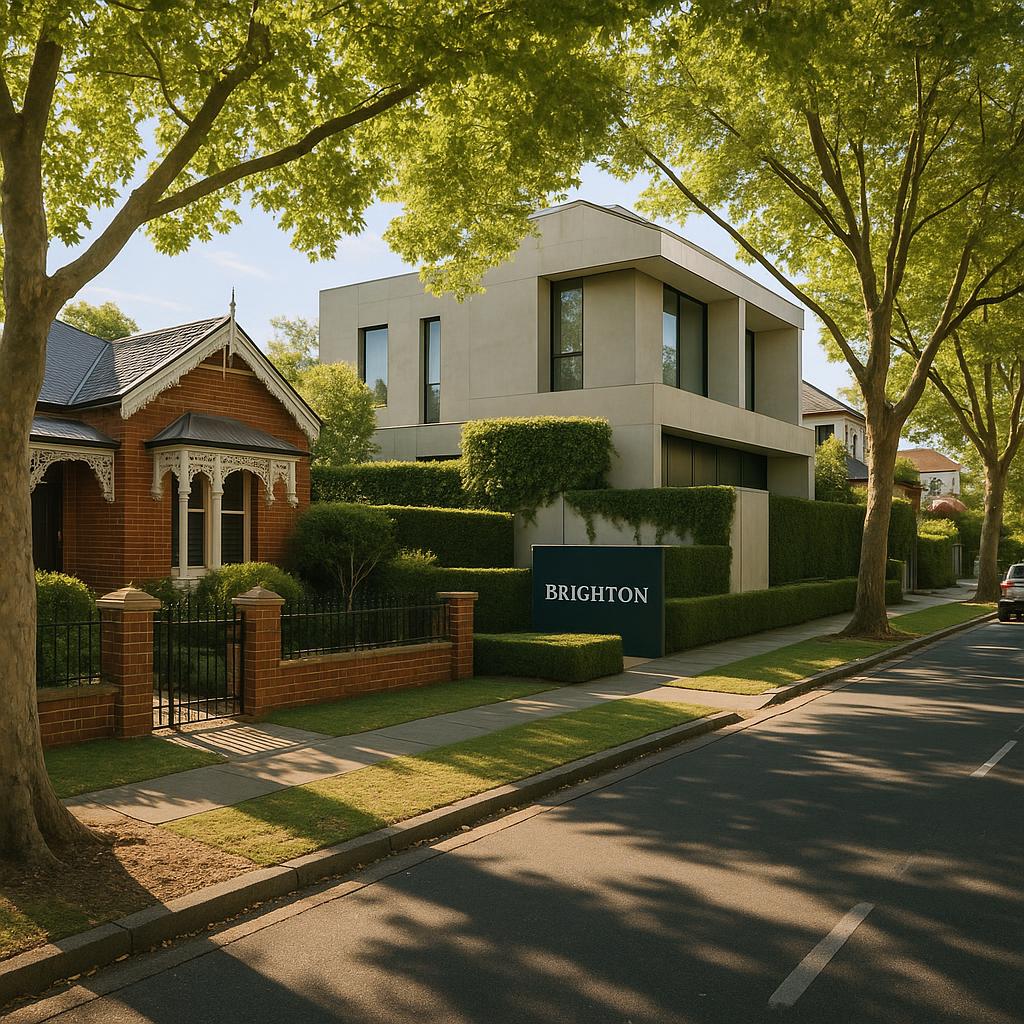
Quick Answer
Brighton VIC is a premium bayside suburb best suited to buyers and investors who value long-term location strength, lifestyle, and capital preservation over affordability. It tends to suit owner-occupiers, downsizers, and investors who want broad tenant appeal rather than the highest possible cash flow. The key is choosing the right pocket and property type, because Brighton’s reputation is strong, but individual assets vary significantly in liveability, rental appeal, and resale strength.
Key Takeaways
- Brighton is a blue-chip bayside suburb where demand is supported by prestige, scarcity, and strong owner-occupier interest.
- Buyers should prioritise micro-location, land value, layout quality, and long-term livability over trying to buy the cheapest option.
- Investors usually do better focusing on low-maintenance, well-located assets that suit stable tenant profiles.
- The suburb’s premium appeal can support resilience, but it also means holding costs and entry costs need careful planning.
- Brighton often rewards patient, quality-driven buyers who think in decades rather than short market cycles.
Pros & Cons
Pros
- Prestigious bayside reputation with strong buyer recognition
- Beach access, lifestyle amenity, and established neighbourhood character
- Broad appeal to families, downsizers, professionals, and quality renters
Cons
- Premium entry cost compared with many Melbourne suburbs
- Not every pocket or dwelling type offers the same level of demand
- Holding costs can matter more if your strategy depends on strong cash flow
Market Overview
Brighton is a well-established bayside suburb in Melbourne’s inner-south-east, and its market is shaped by prestige, coastal amenity, and limited supply of genuinely desirable homes. It is the sort of suburb buyers research when they want a classic Melbourne lifestyle address with long-term recognition.
The suburb tends to attract a mix of families upgrading locally, downsizers seeking convenience, professionals wanting a high-amenity location, and investors looking for resilient tenant demand. In practice, Brighton is less about finding the “cheapest” property and more about selecting the right asset within a premium market.
That distinction matters. A renovated family home on a quiet street, a well-kept low-maintenance townhouse, and an older apartment near transport may all sit in Brighton, but they can behave very differently in resale and rental terms. In premium suburbs, property quality and micro-location often matter more than the suburb name alone.
Buyer Demand
Buyer demand is supported by Brighton’s reputation, walkability in the better pockets, and strong lifestyle pull. The suburb tends to appeal to people who are willing to pay a premium for convenience, stability, and a desirable address.
That demand is broad but not uniform. Family buyers often compete for homes with usable land, parking, and practical floorplans, while downsizers and investors are usually more selective about low-maintenance living, building quality, and access to amenity. If you are comparing properties, think about who the eventual buyer or tenant will be.
Rental Market
Brighton’s rental appeal is strongest for tenants who value quality, security, and access to lifestyle amenity rather than bargain pricing. Well-presented homes and apartments with practical layouts, parking, and good natural light are typically easier to lease than prestige assets with awkward floorplans or high upkeep.
For investors, the main question is whether the property matches a stable tenant segment. Apartments can suit professionals or downsizers, while houses tend to attract longer-term family renters. In a suburb like Brighton, a reliable tenant profile often matters more than pushing for maximum yield, so inspect the dwelling as a rental product, not just as a suburb address.
Lifestyle, Transport & Schools
Brighton’s lifestyle appeal comes from its bayside setting, established streets, local retail and dining, and the sense of permanence that comes with a long-held prestige suburb. Buyers often pay for the day-to-day ease of living, not just the postcode.
Transport access is another core draw, especially for commuters who want train connectivity into Melbourne’s inner areas and the CBD. However, liveability still depends on the exact pocket: some streets feel quiet and residential, while others are more exposed to traffic, rail influence, or higher pedestrian movement.
School access is a major consideration for family buyers, but school zones and intake areas should always be checked directly with official sources before relying on any agent or listing summary. For many buyers, Brighton’s value is partly about routine efficiency: shorter school runs, easier commuting, and access to established local amenities.
Brighton (Vic.) Suburb Profile
Official 2021 Census snapshot for the ABS Suburbs and Localities geography.
Age profile
Housing tenure
Occupied private dwellings by tenure type.
Salary & income profile
Median total income reported in the Census.
*Annual figures are weekly median × 52 estimates, not separate ABS annual medians.
Education & qualifications
Highest educational attainment, people aged 15+.
Employment status
People aged 15+ who reported being in the labour force.
Industry of employment
Top responses among employed people aged 15 years and over.
Occupation profile
Broad occupation groups among employed residents, including managers.
Property Type Guide
- Houses: Usually the strongest long-term asset class for land value, family appeal, and renovation upside, provided the street and site are strong.
- Townhouses / low-maintenance homes: Often suit downsizers and busy households wanting livability without the ongoing maintenance burden of a larger property.
- Apartments: Can work well for investors or smaller households, but building quality, layout, parking, and storage matter heavily in this premium market.
- Older homes: May offer character and land value, but buyers should budget realistically for renovation, compliance checks, and holding costs.
- Newer dwellings: Can reduce maintenance headaches, though buyers should still assess resale depth and whether the design genuinely suits Brighton demand.
Risks & Watch-Outs
- Don’t buy the Brighton name alone; assess the individual street, orientation, and dwelling quality carefully.
- Road exposure, rail influence, parking stress, and noise can materially affect liveability and resale appeal.
- Premium pricing can tempt buyers into overlooking poor floorplans, awkward access, or expensive maintenance needs.
- Some apartments have weaker long-term demand if they lack natural light, storage, or practical layouts.
- Holding costs and renovation scope can become painful if you stretch too far for the postcode.
Nearby Suburbs to Compare
- Hampton
- Sandringham
- Elwood
- Albert Park
- Black Rock
- Beaumaris
FAQ
Is Brighton VIC a good suburb for families?
Yes, Brighton is often attractive to families because of its established amenity, beachside lifestyle, and access to schools and transport. The best choice usually depends on the exact pocket, school needs, and whether the home layout suits family life over the long term.
Is Brighton a good suburb for property investors?
It can be, but the strategy should be quality-driven rather than yield-driven. Brighton generally suits investors who want resilient tenant demand and lower vacancy risk in well-located properties. It is less ideal if your main goal is high cash flow.
What property types are most sought after in Brighton?
Well-located houses usually attract strong owner-occupier interest, especially where land, privacy, and renovation potential are present. Low-maintenance homes and quality apartments can also work well if they offer good layouts, parking, storage, and easy access to amenity.
How should buyers compare Brighton with nearby suburbs?
Compare it with nearby bayside alternatives based on budget, property type, commute pattern, and lifestyle priorities. A neighbour suburb may deliver similar amenity with a different housing mix or price point, which can make it a better fit for your actual brief.
What should I inspect before buying in Brighton?
Inspect noise levels, street exposure, parking, layout efficiency, natural light, storage, and renovation scope. Also check school zones, transport convenience, and recent comparable sales in the same pocket rather than relying on the suburb reputation alone.
Conclusion
Brighton is a premium bayside suburb that generally rewards disciplined buyers who focus on quality, location, and long-term livability. It is not the suburb for bargain hunting, but it can be a strong choice for those who want enduring demand, lifestyle appeal, and a blue-chip Melbourne address.
For investors and homeowners alike, the key is to buy the right property type in the right pocket and verify all assumptions with current data before making a decision.
Sources & how to verify
- Check current sold results and asking prices on Domain so you can compare Brighton listings against recent market evidence rather than broad suburb reputation.
- Review active rental listings on realestate.com.au to understand what tenants are actually being offered in the current Brighton market.
- Use the ABS to confirm demographic and household data before making assumptions about who is likely to buy or rent in the suburb.
- Check zoning and planning controls through Planning Victoria so you understand redevelopment constraints, overlays, and potential risks on a specific property.
- Verify school zones directly through the Find My School tool, because catchments and enrolment rules should never be assumed from a listing alone.
- Confirm train and local transport details on Public Transport Victoria to check service patterns, station access, and practical commuting convenience from the exact address.
- Review council information on Bayside City Council for local planning, permits, amenity upgrades, and area-specific matters that may affect a purchase decision.