Quick Answer
Daglish is a small, established inner-west Perth suburb that tends to suit buyers who value convenience, character, and proximity to key amenities more than land size. For homeowners, the suburb can work well if you want a calm, well-located base close to the CBD and Subiaco. For investors, the strongest opportunities are usually easy-care homes with broad tenant appeal, especially those that minimise maintenance and commute friction.
Key Takeaways
- Daglish appeals most to buyers who prioritise location, established streets, and everyday convenience over modern estate-style housing.
- The suburb’s value proposition is driven by scarcity, liveability, and access to nearby employment and amenity hubs.
- Properties with clean presentation, practical layouts, and low upkeep are usually the easiest to hold, lease, and resell.
- Older homes can offer upside, but only when renovation scope, building condition, and street context stack up sensibly.
- Comparing Daglish with nearby inner-west suburbs is essential, because small location differences can change buyer demand and property type choice.
Pros & Cons
Pros
- Inner-west convenience with strong lifestyle appeal
- Established neighbourhood feel and character streets
- Broad appeal to professionals, downsizers, and long-term renters
Cons
- Smaller housing stock can limit choice at times
- Older dwellings may need meaningful maintenance or upgrades
- Street-by-street variation can materially affect livability and value
Market Overview
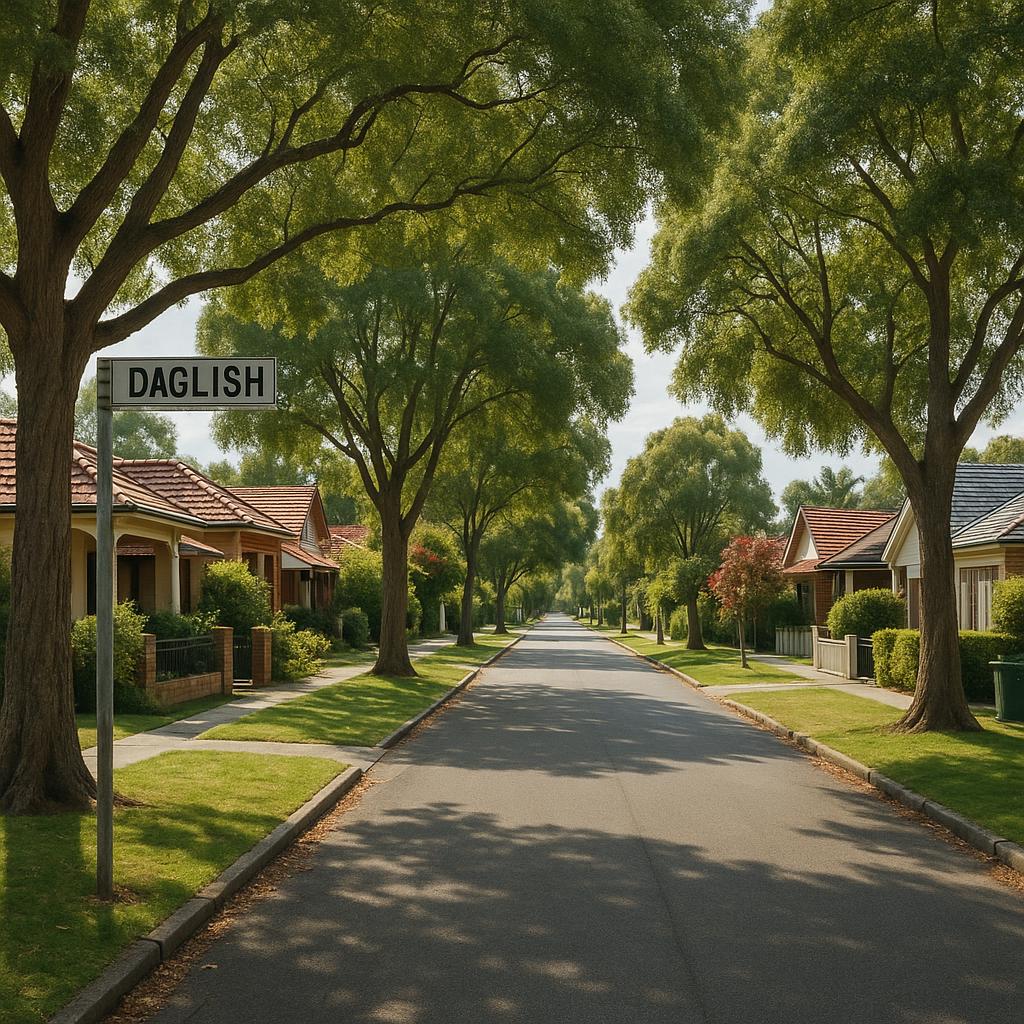
Daglish is best understood as a tightly held inner-west suburb where location carries more weight than novelty. It sits close to Perth’s core and adjacent amenity-rich areas, which gives it a practical, everyday convenience profile that many buyers still pay attention to when broader conditions soften. The suburb’s character is shaped by established streets, a relatively limited housing supply, and a mix that can include older homes, low-rise dwellings, and infill-style stock depending on the street.
That combination makes Daglish more of a “fit” market than a uniform one. Buyers often need to look closely at orientation, parking, renovation burden, and how the property sits within the street. For investors, the main question is not just whether the suburb is desirable, but whether the specific asset will hold broad tenant appeal and remain simple to maintain over time.
In practice, Daglish tends to reward disciplined buyers who compare it with nearby suburbs before committing. Similar budgets can produce very different outcomes in housing type, land content, and lifestyle trade-offs, so the suburb is best assessed as part of a broader inner-west comparison set.
Buyer Demand
Demand in Daglish is usually driven by people who want the convenience of inner-Perth living without the intensity of a central city address. That includes owner-occupiers seeking a shorter commute, downsizers wanting an easier lifestyle, and buyers who prefer established streetscapes to newer, uniform development.
Quality listings are likely to attract the most attention when they are well presented and easy to live in. In suburbs like this, buyers are often comparing the entire daily experience, not just the floorplan, so access, parking, noise exposure, and renovation quality can influence competition just as much as land size.
Rental Market
Daglish should generally appeal to tenants who value location, transport convenience, and a low-friction lifestyle. That often includes professionals, couples, and small households who want proximity to employment, retail, and dining without sacrificing a quieter residential base.
For investors, the most practical assets are usually those that are easy to maintain and broad enough to lease without heavy repositioning. Simple layouts, neat presentation, secure parking where available, and lower ongoing upkeep tend to matter more than flashy but niche improvements. If you are assessing a specific property, compare its condition and likely maintenance needs against nearby rental listings rather than relying on suburb-level assumptions.
Lifestyle, Transport & Schools
Daglish’s lifestyle appeal comes from its balance: suburban calm, inner-west amenity, and straightforward access to nearby activity centres. Buyers often choose it because daily life feels easier here than in more distant suburbs, especially when work, leisure, and errands all need to fit into a tighter routine.
Transport matters a great deal in this part of Perth. Commute convenience can shape both owner-occupier demand and investor demand, particularly for tenants who work in the CBD or nearby employment precincts. If you are buying, test travel times at peak periods and consider how the street performs for parking, noise, and access.
School access is another practical factor, especially for families planning ahead rather than buying around current enrolment needs. Rather than assuming a postcode advantage, check current catchments and school admission rules directly, because these can influence both livability and resale appeal.
Daglish Suburb Profile
Official 2021 Census snapshot for the ABS Suburbs and Localities geography.
Age profile
Housing tenure
Occupied private dwellings by tenure type.
Salary & income profile
Median total income reported in the Census.
*Annual figures are weekly median × 52 estimates, not separate ABS annual medians.
Education & qualifications
Highest educational attainment, people aged 15+.
Employment status
People aged 15+ who reported being in the labour force.
Industry of employment
Top responses among employed people aged 15 years and over.
Occupation profile
Broad occupation groups among employed residents, including managers.
Property Type Guide
- Character homes: Attractive to buyers who want street presence and renovation upside, but they can carry higher maintenance and upgrade costs.
- Apartments and units: Often the easiest entry point for investors or convenience-focused buyers, provided strata, building condition, and fees stack up.
- Townhouses / low-rise homes: A useful middle ground for professionals and small families who want more space than an apartment without full-house upkeep.
- Renovator opportunities: Can add value in a scarce suburb, but only if the work is clearly scoped and the end product suits the local buyer pool.
- How to choose: Prioritise lifestyle fit if you will live there long term; prioritise maintenance simplicity and tenant appeal if you are investing.
Risks & Watch-Outs
- Older homes can hide repair and upgrade costs in areas like electrics, plumbing, insulation, and moisture management.
- Street position matters, so check traffic exposure, nearby commercial edges, and any noise or access issues before making an offer.
- Some properties may look attractive on presentation alone while still carrying awkward layouts or expensive future works.
- Strata properties require extra diligence on fees, common-area condition, insurance, and by-laws, especially for investor buyers.
- Competition for desirable stock can lead to rushed decisions, so compare recent comparable sales and independent inspections before committing.
Nearby Suburbs to Compare
- Subiaco
- West Leederville
- Shenton Park
- Wembley
- Jolimont
FAQ
Is Daglish good for first-home buyers?
It can be, if you are comfortable prioritising location and low-friction living over a larger block or newer build. First-home buyers should focus on the property type, renovation risk, and whether the ongoing costs suit their budget and long-term plans.
Is Daglish a good suburb for investors?
Daglish can suit investors who want tenant appeal built around convenience rather than speculative growth stories. The strongest case is usually a well-kept, low-maintenance property that fits professional renters or small households and does not create heavy ongoing repair pressure.
What types of homes are common in Daglish?
The suburb is generally associated with established housing, including character-style homes, units, and some townhouse or infill stock. The exact mix varies by street, so buyers should verify what is typical in the immediate pocket rather than relying on a broad suburb description.
What should buyers check before purchasing in Daglish?
Inspect the property condition carefully, review any strata documents where relevant, and assess the street for traffic, parking, and noise. It is also worth checking renovation scope, school access, and travel time patterns rather than focusing only on appearance.
How does Daglish compare with Subiaco or Shenton Park?
Daglish generally competes on convenience and inner-west positioning, but Subiaco may feel more urban and active, while Shenton Park may feel more leafy and residential. The best choice depends on your preferred pace, housing type, and daily routine.
Conclusion
Daglish is a location-led suburb that tends to reward careful buyers more than impulsive ones. If you value inner-west convenience, established character, and a practical daily lifestyle, it can be a strong fit. The key is to assess each property on its own merits, compare nearby alternatives, and buy with long-term liveability and maintenance in mind.
Sources & How to Verify
- Check current sold results and active listings on Domain to understand how the market is pricing similar properties right now.
- Use realestate.com.au to compare asking prices, property types, and time-on-market patterns for Daglish and nearby suburbs.
- Review zoning and planning information on WA Planning before assuming a site can be renovated, subdivided, or redeveloped.
- Check suburb and dwelling data through the ABS if you want official context on housing structure and broader demographic patterns.
- Confirm school catchments and enrolment rules using WA School Finder rather than relying on third-party descriptions.
- Verify public transport access and service planning on Transperth, especially if commute convenience is central to your buying decision.
- Cross-check local planning, permits, and neighborhood considerations with the City of Subiaco, which helps confirm council-level details relevant to Daglish.
- If you are buying a specific property, rely on building and pest inspections, title searches, and comparable sales rather than suburb-level averages alone.