Quick Answer
Duncraig is a mature northern Perth suburb that suits buyers who want an established, family-friendly location with practical access to schools, shopping, major roads, and the coast. It is usually more about livability and long-term ownership appeal than speculative buying. For investors, the strongest opportunities tend to be tidy, tenant-friendly homes with broad appeal, especially where layout, condition, and location within the suburb support easy letting and resale.
Key Takeaways
- Duncraig is typically valued for established family living, convenience, and a settled residential feel rather than fast-turnover speculation.
- Buyer demand is often strongest for well-kept homes that suit households wanting space, usability, and a straightforward daily routine.
- Investors should focus on condition, layout, parking, and low-maintenance features because these details drive tenant interest.
- Renovated homes may attract premium competition, while original homes can offer value if upgrade costs are realistic.
- Always verify school catchments, zoning, and transport convenience at the specific property level before making an offer.
Pros & Cons
Pros
- Established suburb with broad appeal to families and owner-occupiers.
- Practical access to daily amenity, commuter routes, and coastal living options.
- Good fit for long-term holds where stability matters more than short-term speculation.
Cons
- Quality homes can draw strong competition and reduce negotiating power.
- Older stock may require substantial upgrades, lifting total acquisition cost.
- Investment outcomes often rely on patient growth and solid tenant quality rather than standout yields.
Market Overview
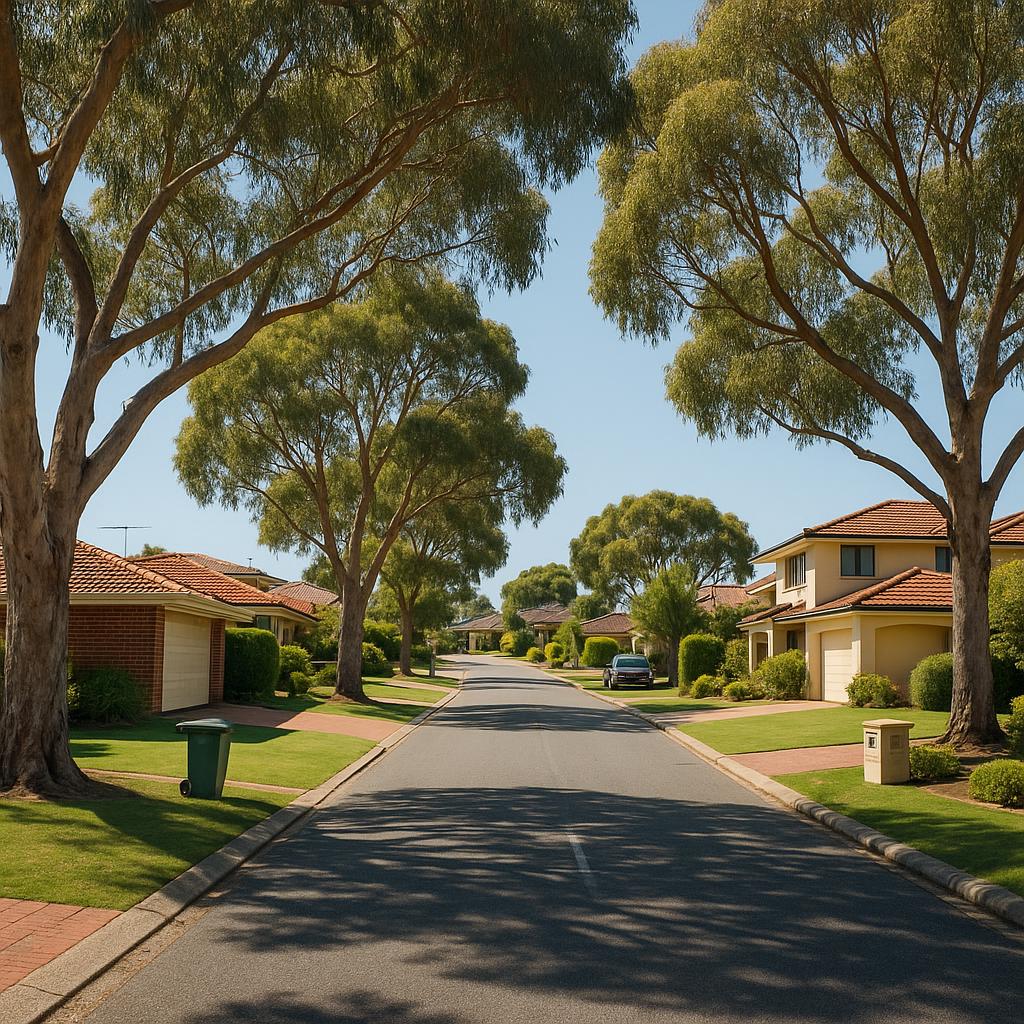
Duncraig sits in Perth’s established northern corridor and is generally seen as a suburb for practical, long-term living rather than rapid development-led gains. Its appeal comes from mature streets, family-sized housing, and a location that supports day-to-day convenience. For many buyers, that combination matters more than flashy new-build density or short-term market narratives.
The local market is usually shaped by owner-occupier interest, with buyers paying close attention to home presentation, block usability, and the effort required after settlement. In a suburb like this, a well-kept house on a sensible street can outperform a superficially cheaper listing that needs significant work. That is why micro-location and property condition matter so much here.
As a decision-making suburb, Duncraig rewards buyers who compare like-for-like properties and think beyond headline suburb reputation. A renovated home may suit immediate lifestyle needs, while an original home may be better value if the upgrade path is manageable. The key is to judge the home’s real utility, not just its postcode.
Buyer Demand
Demand in Duncraig is typically driven by families, upsizers, and buyers who want a settled residential environment with convenience baked in. That tends to support strong interest in homes that are functional, spacious enough for household life, and close to everyday amenities. For investors, that broader household appeal is valuable because it widens the future buyer and tenant pool.
What often wins in Duncraig is not novelty but practicality: a workable floorplan, decent outdoor space, sensible parking, and a street that feels consistently well maintained. Buyers here often compare homes based on how they will live, commute, and organise family routines. That makes presentation and usability especially important.
Rental Market
Duncraig generally suits tenants who want an established suburb with easy access to the essentials and enough space for real household living. Homes that are clean, durable, and straightforward to maintain usually have the broadest appeal. Investors should think about tenant retention as much as initial leasing speed.
Strong rental candidates are often 3–4 bedroom homes with usable outdoor areas, functional kitchens and bathrooms, and parking that works for family or shared use. The practical lesson is simple: a home that feels easy to live in usually performs better than one that is stylish but awkward. Verify current asking rents and vacancy conditions through up-to-date listings before assuming a yield profile.
Lifestyle, Transport & Schools
Duncraig’s lifestyle appeal is built around settled suburban convenience: parks, everyday shopping, and a residential feel that suits long-term households. That is important because lifestyle quality tends to influence both owner-occupier demand and how long tenants stay. A suburb that reduces daily friction often stays attractive even when the broader market softens.
Transport matters here because many buyers are balancing school runs, work commutes, and weekend travel. Access to major road links is a key practical advantage, but the exact experience will vary by street. Buyers should check peak-hour travel from the specific property, not just assume the suburb-wide commute is uniform.
Schools are a major part of the demand story in Duncraig, but catchments and enrolment rules must be verified directly with current official sources. Do not rely on hearsay or old marketing material. For many households, school access is not just an education issue; it is a daily logistics issue that shapes where they are prepared to buy and how much they will pay.
Duncraig Suburb Profile
Official 2021 Census snapshot for the ABS Suburbs and Localities geography.
Age profile
Housing tenure
Occupied private dwellings by tenure type.
Salary & income profile
Median total income reported in the Census.
*Annual figures are weekly median × 52 estimates, not separate ABS annual medians.
Education & qualifications
Highest educational attainment, people aged 15+.
Employment status
People aged 15+ who reported being in the labour force.
Industry of employment
Top responses among employed people aged 15 years and over.
Occupation profile
Broad occupation groups among employed residents, including managers.
Property Type Guide
- Detached family homes: Often the core market here; best for buyers wanting land, privacy, and long-term flexibility.
- Renovated homes: Attractive to families wanting convenience and reduced upfront work, but price premiums can be significant.
- Original-condition homes: May offer entry value and renovation upside, but inspect carefully for hidden repair costs.
- Townhouses or lower-maintenance options: Useful for downsizers or investors wanting less upkeep, with strata terms needing close review.
Risks & Watch-Outs
- Competition for quality homes can push buyers to overpay if they do not compare recent evidence carefully.
- Older homes may look affordable until the true cost of updates, compliance, and repairs is added in.
- Street-by-street variation matters, so a quick drive-through is not enough to understand the micro-location.
- A property can appeal strongly to homeowners but still be mediocre for tenants if the layout is awkward or maintenance-heavy.
- Buying on emotion alone is risky in an established suburb where condition, land, and usability determine value.
Nearby Suburbs to Compare
- Kingsley WA Property Market Guide: Buyers & Investors
- Joondalup WA Property Market Guide: Buyers & Investors
- Hillarys WA Property Market Guide: Buyers & Investors
- Scarborough WA Property Market Guide: Buyers & Investors
- Leederville WA Property Market Guide: Buyers & Investors
FAQ
Is Duncraig a good suburb for families?
Duncraig is generally a strong family-oriented suburb because it combines established housing, practical amenity, and school access. Families often value the ability to secure a larger, usable home in a settled area rather than a more compact newer estate. Always verify the specific street and catchment details.
Is Duncraig a good suburb for property investors?
Yes, if the property has broad tenant appeal and manageable maintenance. Investors should focus on functional floorplans, parking, outdoor usability, and condition, because these are the features that usually influence vacancy, tenant retention, and future resale. It is better suited to steady hold strategies than speculative plays.
What type of property is best in Duncraig?
For many buyers, the strongest options are well-kept detached homes with practical layouts and enough land or outdoor space to support daily life. Renovated homes reduce immediate work, while original homes may offer value if upgrade costs are realistic and the fundamentals are solid.
What should I check before buying in Duncraig?
Check street presentation, building condition, likely renovation scope, transport convenience, school catchment status, and the way the home will function for your household or tenants. Also compare the property with recent local sales and active listings so you are not relying on a broad suburb impression alone.
How does Duncraig compare with nearby suburbs?
It is often compared on a convenience-versus-lifestyle basis. Some nearby suburbs may offer different price points, transport access, or coastal proximity, but Duncraig’s strength is its established family appeal. The best comparison is the suburb that best matches your routine, budget, and hold strategy.
Conclusion
Duncraig is best understood as a stable, established suburb with strong family and owner-occupier appeal. Buyers who value practicality, space, and convenience are usually the best fit. Investors can do well here by prioritising low-maintenance homes with broad tenant demand. In this kind of market, the right property matters more than chasing a generic suburb narrative.
Sources & How to Verify
- Check current sold prices and active listings on Domain so you can compare Duncraig homes on a like-for-like basis.
- Use realestate.com.au to review listing photos, property history, and the current level of buyer competition.
- Verify school catchments and enrolment guidance through the WA Schools Online directory before assuming a property falls within a preferred zone.
- Check planning, zoning, and development controls via the City of Stirling website if you are considering extensions, renovations, or future development.
- Review official suburb and demographic context using the Australian Bureau of Statistics, then interpret the data alongside current listings and on-the-ground observations.
- Inspect road and public transport access using Transperth so you understand actual commuting options rather than relying on approximate suburb-level assumptions.
- Cross-check recent market commentary with REIWA to see how local agents are describing supply, demand, and property type trends.