Quick Answer
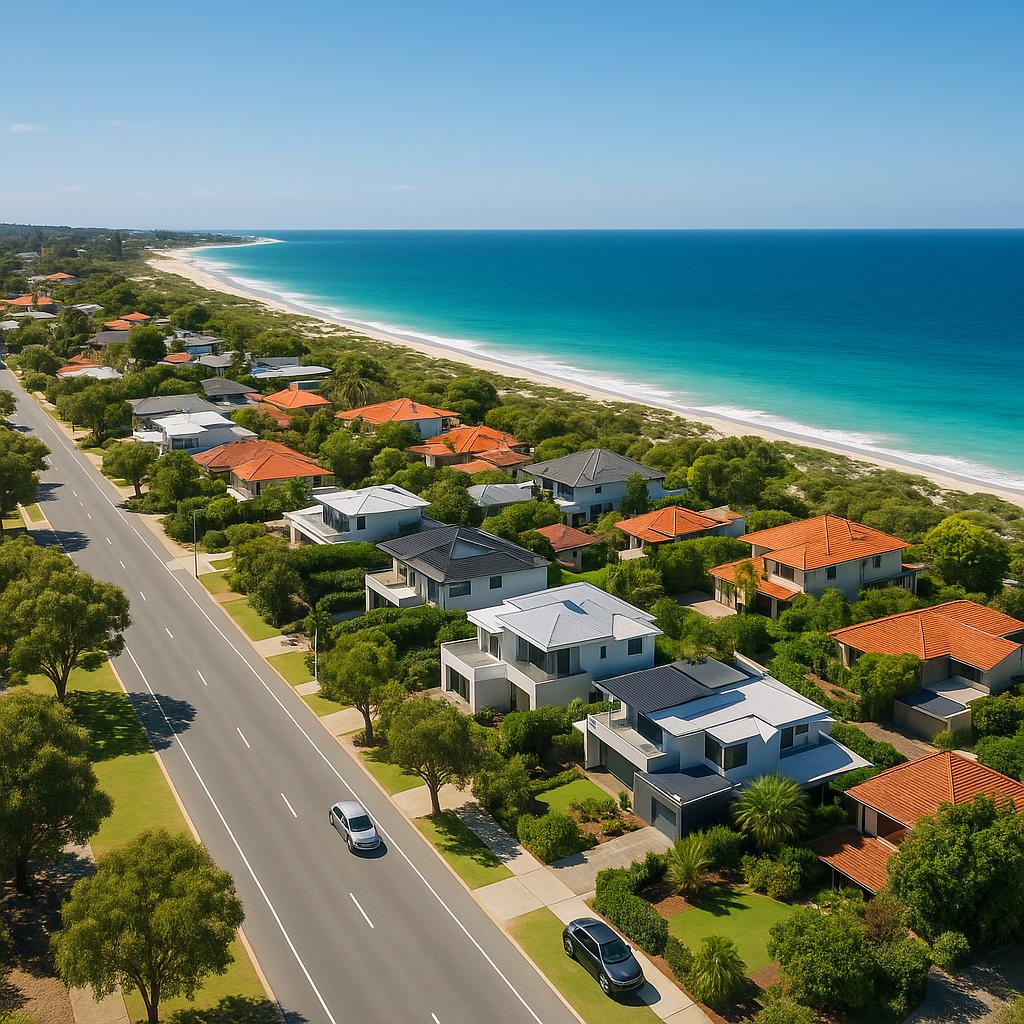
City Beach is a premium coastal suburb in Perth’s western corridor, best suited to buyers who value lifestyle, scarcity, and long-term desirability over bargain entry. It appeals strongly to families, upsizers, and owner-occupiers, while investors should focus on tenant quality, low-maintenance appeal, and holding power rather than chasing yield. If you want beach access, prestige, and a blue-chip address, City Beach deserves serious consideration.
Key Takeaways
- City Beach suits buyers prioritising coastal lifestyle, privacy, and established prestige rather than lower-cost entry.
- Demand is usually driven by owner-occupiers, which can support price resilience for well-located, well-presented homes.
- Investors should assess cash flow carefully, because premium suburbs often trade lower yield for stronger tenant quality.
- Property type matters: land, layout, renovation scope, and maintenance burden can change the investment case materially.
- Comparing nearby western suburbs helps test whether City Beach is the right fit for budget, commute, and long-term goals.
Pros & Cons
Pros
- Premium coastal lifestyle with strong owner-occupier appeal.
- Limited supply of quality homes supports scarcity value.
- Good fit for families seeking beach access and a high-amenity suburb.
Cons
- Entry pricing can be steep versus many Perth suburbs.
- Rental returns may be less attractive for yield-focused investors.
- Older or larger homes can bring higher maintenance and holding costs.
Market Overview
City Beach sits in Perth’s western coastal strip and is widely regarded as an aspirational suburb rather than a volume market. Its appeal comes from a mix of beach proximity, established residential streets, and a reputation for quality family living. That combination tends to attract committed buyers rather than casual bargain hunters.
For most purchasers, the key question is not whether City Beach is desirable, but whether the property itself is the right fit. Street position, home condition, privacy, orientation, and renovation potential often matter more than cosmetic presentation alone. In a premium suburb, the “best” asset is usually the one that balances liveability with resale confidence.
Market activity is often shaped by owner-occupier sentiment, lifestyle migration within Perth’s western suburbs, and the limited number of homes that suit modern expectations. Buyers should verify current conditions through recent comparable sales, local agents, and current listings rather than assuming all City Beach properties move the same way.
Buyer Demand
Buyer demand in City Beach is typically strongest from families, upsizers, and professionals who want a coastal address with practical everyday amenity. These buyers often prioritise layout, outdoor space, parking, and ease of access to schools, parks, and beach routines.
Demand can also be supported by emotional decision-making. Once a buyer decides they want the lifestyle, competition can intensify for homes that are well located and ready to occupy. That means presentation and street appeal can influence outcomes as much as floorplan function.
Rental Market
City Beach can attract quality tenants who want a premium lifestyle location and are willing to pay for convenience and presentation. Typical renters may include relocating families, professionals, and long-term occupants seeking a more settled coastal environment. Investors should expect the tenant pool to be selective.
The rental case is usually strongest for easy-care homes with practical layouts, good parking, outdoor living, and low-maintenance gardens. Because the suburb is premium, cash flow may be tighter than in more affordable areas, so the investment thesis should be based on quality of tenant and long-term holding confidence rather than headline yield.
Lifestyle, Transport & Schools
City Beach’s lifestyle appeal is straightforward: beach access, outdoor recreation, and a polished residential feel. It suits people who want their suburb to support daily routines, not just weekend leisure. For many households, the beach, parks, and relaxed coastal atmosphere are central to why they choose the area.
Transport is largely car-based, so commuters should assess travel times, parking, and peak-hour patterns before buying. That matters because the suburb works best for people whose daily movements align with the western corridor. Buyers should also check how school runs and extracurricular travel fit into the household routine.
School access is often a key part of the buying decision in family-oriented suburbs. Rather than assuming a single school defines the market, verify current catchments, private school options, and practical travel time using official sources. That helps you understand whether the suburb genuinely fits your family plan.
City Beach Suburb Profile
Official 2021 Census snapshot for the ABS Suburbs and Localities geography.
Age profile
Housing tenure
Occupied private dwellings by tenure type.
Salary & income profile
Median total income reported in the Census.
*Annual figures are weekly median × 52 estimates, not separate ABS annual medians.
Education & qualifications
Highest educational attainment, people aged 15+.
Employment status
People aged 15+ who reported being in the labour force.
Industry of employment
Top responses among employed people aged 15 years and over.
Occupation profile
Broad occupation groups among employed residents, including managers.
Property Type Guide
- Beachside family homes: best for owner-occupiers wanting space, lifestyle, and long-term hold potential, but often come with a premium and higher upkeep.
- Modern low-maintenance homes: suit downsizers, busy professionals, and investors seeking easier management and broad appeal.
- Older homes with value-add potential: can reward buyers who understand renovation scope, but inspection quality is critical.
- Townhouses and smaller dwellings: may provide a lower-maintenance entry point, though strata, layout, and land component should be checked carefully.
Risks & Watch-Outs
- Do not assume every City Beach property will outperform; location within the suburb and property quality still matter.
- Older homes can hide maintenance issues, especially where coastal exposure increases wear over time.
- Yield-focused investors may find the suburb less suitable if cash flow is the main objective.
- Renovation budgets can escalate quickly if the home needs structural, functional, or compliance work.
- Premium buyer expectations can make overcapitalising an easy mistake if improvements exceed local resale value.
Nearby Suburbs to Compare
- Claremont
- Cottesloe
- Scarborough
- Floreat
- Wembley Downs
FAQ
Is City Beach a good suburb for families?
Yes, for families that value beach access, outdoor space, and a premium residential environment. The main question is whether the home suits school routines, parking needs, and maintenance capacity. Families should compare the property, not just the suburb, before buying.
Is City Beach better for owner-occupiers or investors?
It is generally stronger for owner-occupiers because the suburb’s appeal is lifestyle-led and prestige-driven. Investors can still do well, but they should be comfortable with lower yield expectations and focus on tenant quality, low maintenance, and long-term resale strength.
What property type is usually best in City Beach?
There is no single best type. Families often prefer larger homes with outdoor space, while downsizers and investors may lean toward lower-maintenance homes or smaller dwellings. The right choice depends on whether your priority is land, lifestyle, income stability, or renovation upside.
Is City Beach expensive compared with nearby suburbs?
Generally, yes, because it sits in Perth’s premium coastal segment. That does not automatically mean it is poor value, but it does mean buyers should compare it carefully with nearby suburbs to understand what extra lifestyle and scarcity they are paying for.
What should I check before buying in City Beach?
Check street appeal, building condition, coastal exposure, renovation scope, parking, and resale logic. Also confirm zoning, school catchments, and current comparable sales. A premium suburb can still be a poor purchase if the property is awkward, dated, or overpriced.
Conclusion
City Beach is a premium coastal suburb that rewards buyers who think long term and value lifestyle as part of the investment case. It is usually best suited to owner-occupiers, upsizers, and investors with patience, strong holding power, and a clear exit strategy. If the home fits your goals, the suburb can be a compelling blue-chip choice.
Sources & how to verify
- Check current sold prices and active listings on Domain so you are comparing the most recent market evidence rather than relying on stale assumptions.
- Review current listings and suburb-level property patterns on realestate.com.au to understand what type of stock is actually trading in City Beach.
- Use ABS data to understand broad demographic context, but verify any suburb interpretation against current listings and local market behaviour.
- Check planning, zoning, and development rules through WA Planning before assuming a site can be renovated, extended, or redeveloped as intended.
- Confirm school catchments and enrolment considerations using the WA School Finder rather than relying on informal maps or agent summaries.
- Assess local council planning information on the Town of Cambridge website for any nearby works, approvals, or amenity changes that may affect liveability.
- Validate transport access and commuting practicality with official route information from Transperth, then test the journey yourself during peak periods.
- Speak with a local property manager or buyer’s agent to check how City Beach homes are leasing today, because premium suburbs can shift quickly depending on presentation and tenant expectations.