Quick Answer
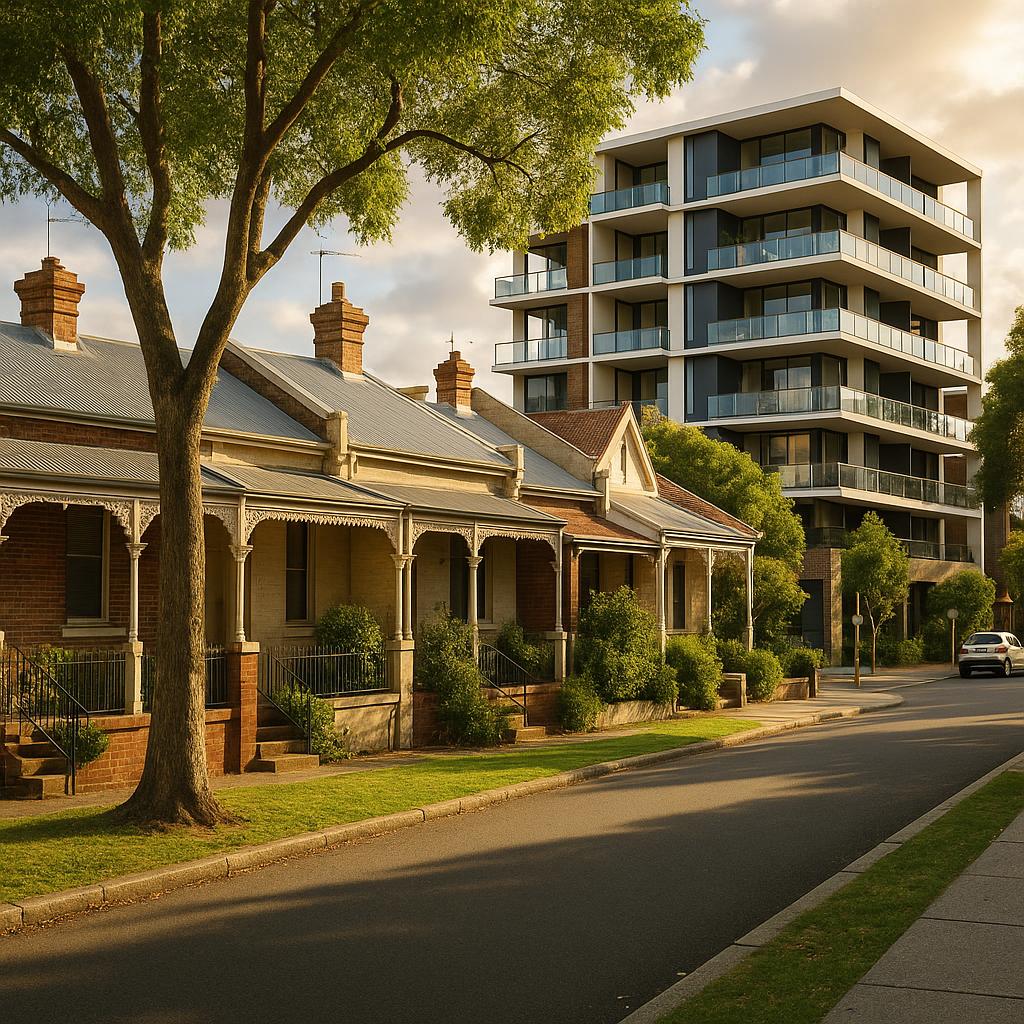
Subiaco suits buyers who want an established inner-west Perth address with strong day-to-day convenience, broad lifestyle appeal, and a mix of apartments, townhouses, and character homes. For investors, its main strengths are tenant appeal, low-friction commuting, and an enduring reputation that supports demand across different market conditions. It is usually best approached as a quality-and-location purchase rather than a bargain-hunting suburb, so the asset-specific details matter as much as the postcode.
Key Takeaways
- Subiaco’s value comes from location, lifestyle, and scarcity rather than large blocks or new-stock affordability.
- It attracts a mixed buyer pool, including professionals, downsizers, families, and investors seeking broad tenant demand.
- A well-located apartment can work for lower maintenance, while townhouses and character homes suit space-focused buyers.
- Strata quality, parking, noise exposure, and layout efficiency can materially change the buying case.
- Compare nearby inner-west suburbs before committing, because housing stock and lifestyle trade-offs vary meaningfully.
Pros & Cons
Pros
- Prime inner-west location close to the Perth CBD and major employment areas
- Walkable lifestyle with cafés, retail, parks, and everyday convenience
- Broad appeal to both owner-occupiers and long-stay renters
Cons
- Premium positioning can mean a higher entry cost than many Perth suburbs
- Some buildings and streets are exposed to traffic, activity noise, or limited parking
- Strata and heritage constraints can reduce flexibility and increase due diligence needs
Market Overview
Subiaco is an established inner-west Perth suburb with a mature streetscape, a strong local identity, and a housing mix that ranges from apartments and townhouses to older character homes. For many buyers, the appeal is not just proximity to the CBD, but the ability to live in a suburb where errands, dining, commuting, and services can all be handled with less friction.
That convenience premium is important. In suburbs like Subiaco, market performance often differs by property type, building quality, street position, and renovation standard. A neat apartment near amenity can attract a very different buyer pool from a freestanding home on a quieter residential street, even if both sit within the same suburb.
For investors and homeowners alike, the key is to assess Subiaco as a location with lasting desirability, then test whether the specific asset justifies the price, the holding costs, and the long-term maintenance profile.
Buyer Demand
Demand in Subiaco typically comes from a mix of owner-occupiers and investors who value convenience, low-maintenance living, and access to the inner-west lifestyle. Professionals, downsizers, and smaller households often look for homes that reduce commuting and upkeep without giving up amenity.
Competition tends to be strongest for properties that are easy to live in and easy to lease: well-presented apartments, functional townhouses, and character homes with good layout, parking, and street appeal. Buyers are usually paying for a combination of location and liveability, not just land size.
Rental Market
Subiaco generally appeals to tenants who prioritise access, presentation, and convenience. That can include professionals, health and education workers, couples, and renters who want an established suburb with good transport connections and lifestyle amenity.
For landlords, the strongest rental assets are usually the ones that are simple to maintain and easy to occupy: efficient floorplans, secure access, practical parking, and a building or house that presents well. Before buying, investors should check strata rules, building condition, and whether the property suits stable long-term tenancy rather than short-term turnover.
Lifestyle, Transport & Schools
Subiaco’s lifestyle appeal is a major part of its pricing power. The suburb is known for cafés, dining, retail, parks, and a neighbourhood feel that still sits close to central Perth. That balance of activity and established residential character is a key reason many buyers shortlist it.
Transport is another major strength. Train and bus access can make commuting simpler for CBD workers and others travelling into nearby employment nodes, while walkability can reduce dependence on a car in the right pockets. Buyers should still test actual daily movement patterns, not just map distance, because parking, road access, and station proximity can vary street by street.
School access can matter for family buyers, but catchments and enrolment rules should always be verified directly with the relevant authorities before relying on a listing description. In Subiaco, the best family fit often depends on whether the property is in a quieter residential pocket or a higher-activity area closer to transport and commercial amenity.
Subiaco Suburb Profile
Official 2021 Census snapshot for the ABS Suburbs and Localities geography.
Age profile
Housing tenure
Occupied private dwellings by tenure type.
Salary & income profile
Median total income reported in the Census.
*Annual figures are weekly median × 52 estimates, not separate ABS annual medians.
Education & qualifications
Highest educational attainment, people aged 15+.
Employment status
People aged 15+ who reported being in the labour force.
Industry of employment
Top responses among employed people aged 15 years and over.
Occupation profile
Broad occupation groups among employed residents, including managers.
Property Type Guide
- Apartments: Best for investors, first-home buyers, and downsizers wanting lower maintenance and strong convenience; check strata levies, building quality, and noise.
- Townhouses: A useful middle ground for buyers wanting more space than an apartment without the upkeep of a detached house; inspect shared walls, strata settings, and access.
- Character homes: Suited to families and long-term owners who value space and heritage feel; confirm renovation scope, maintenance demands, and any heritage or planning limits.
Property type matters because the suburb serves more than one buyer profile. A low-maintenance apartment may be ideal for a time-poor professional, while a character home may better suit someone prepared to trade convenience for space and long-term flexibility.
Risks & Watch-Outs
- Do not assume the suburb name alone makes a property a good buy; the individual asset still needs strong fundamentals.
- Check strata reports carefully, because levies, special contributions, and deferred maintenance can change the real holding cost.
- Test parking, storage, and access at different times of day, especially near busier streets or mixed-use pockets.
- Assess noise exposure from traffic, hospitality activity, or neighbouring buildings before committing.
- Verify zoning, heritage controls, and renovation limits before pricing in value-add potential.
Nearby Suburbs to Compare
- Perth WA Property Market Guide: Buyers & Investors
- Cottesloe WA Property Market Guide: Buyers & Investors
- Scarborough WA Property Market Guide: Buyers & Investors
- Fremantle WA Property Market Guide: Buyers & Investors
- West Leederville
- Shenton Park
FAQ
Is Subiaco a good suburb for buyers?
Yes, if you value an established inner-west location with strong amenity, walkability, and a broad range of property types. It is best suited to buyers who are comfortable paying for convenience and long-term desirability rather than chasing a low entry price.
Is Subiaco a good suburb for investors?
It can be, particularly for investors who prioritise tenant appeal, lower vacancy risk, and a suburb with enduring reputation. The best result usually comes from choosing a property that is practical to lease, simple to maintain, and well matched to the local renter profile.
What type of property is best in Subiaco?
There is no single best option. Apartments suit low-maintenance strategies, townhouses offer a middle ground, and character homes suit buyers who want more space and are willing to carry higher upkeep. The right choice depends on your budget, holding period, and lifestyle goals.
What should I check before buying in Subiaco?
Look beyond the suburb name and assess strata costs, parking, noise, layout efficiency, building condition, and whether the property has realistic renovation potential. If you are buying for family use, verify school access and daily convenience directly with current sources.
Why does Subiaco often command a premium?
The premium reflects location, established amenity, and scarcity of well-located housing in a sought-after inner-west setting. Buyers are often paying for reduced commute stress, a strong lifestyle proposition, and a suburb that has remained broadly desirable over time.
Conclusion
Subiaco is a high-quality Perth suburb for buyers who want location, convenience, and long-term appeal in the same package. It rewards careful asset selection: choose the right property type, confirm the numbers and holding costs, and compare alternatives nearby before you commit. In this suburb, the right home can serve both lifestyle and investment objectives well.
Sources & how to verify
- Check current sold listings and asking rents on Domain so you are comparing Subiaco properties against real-time market evidence rather than headlines.
- Review active listings and recent comparable sales on realestate.com.au to understand what property types are actually trading in the suburb.
- Use the Australian Bureau of Statistics to verify broad demographic and dwelling data if you want a current suburb context check.
- Confirm planning, zoning, and development rules through the WA Planning site before assuming renovation or redevelopment potential.
- Check suburb maps, local planning updates, and community information on the City of Subiaco website to understand local controls and amenities.
- Verify public transport routes and service patterns on the Transperth website rather than relying on outdated listing descriptions.
- Confirm school zones and enrolment guidance using the WA Schools Online directory because catchments and intake rules can change.
- Ask for a current strata report, building inspection, and title search before buying any apartment or townhouse so levies, maintenance issues, and legal restrictions are clear.