Quick Answer
Norwood South is a tightly held inner-eastern Adelaide suburb that tends to appeal to buyers who value location quality, established streetscapes, and convenient access to the city and surrounding amenity. For homeowners, it can offer a lifestyle-led move with long-term appeal; for investors, it is usually about resilient tenant demand rather than chasing speculative growth. The best buys are typically the properties that balance liveability, low maintenance, and sensible long-term value.
Key Takeaways
- Norwood South suits buyers who prioritise inner-east convenience, established character, and a suburb with enduring lifestyle appeal.
- Supply is often limited by the mature housing stock, so well-presented homes can attract stronger competition from committed buyers.
- Investors should focus on property type, layout, parking, and maintenance exposure rather than assuming every address will lease equally well.
- Owner-occupiers may pay a premium for move-in-ready homes, while renovators can target older dwellings with value-add potential.
- Verification matters: confirm current sales, rental evidence, zoning, and any heritage or strata constraints before relying on suburb reputation.
Pros & Cons
Pros
- Inner-eastern Adelaide location with strong day-to-day convenience.
- Broad appeal to professionals, families, downsizers, and long-term tenants.
- Established streetscape and character housing that many buyers actively seek.
Cons
- Quality homes can attract competition, especially when presentation is strong.
- Older properties may need repairs, upgrades, or compliance work.
- Parking, layout, or block constraints can reduce flexibility for some buyers and tenants.
Market Overview
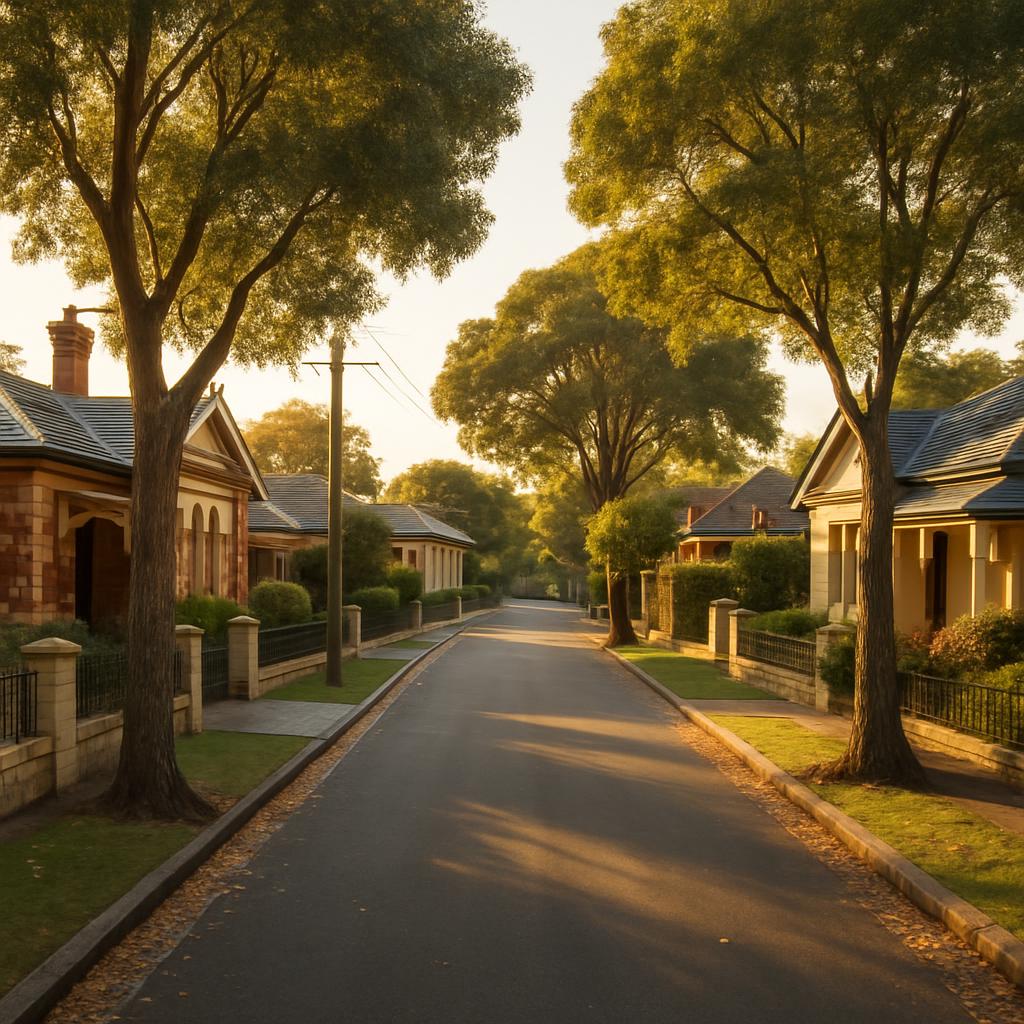
Norwood South sits in Adelaide’s inner east, where established homes, convenience, and proximity to lifestyle amenity often matter as much as raw land size. The suburb’s appeal is usually tied to its location advantages and mature neighbourhood feel rather than new housing supply.
For buyers, that means the market is often less about finding a bargain and more about identifying the right property fit. A well-maintained home, townhouse, or unit can command stronger interest than a larger but less functional dwelling that needs work.
In practical terms, Norwood South is best approached as a quality-and-scarcity market. Buyers should compare condition, parking, street appeal, and future maintenance needs, then verify current evidence through recent comparable sales and on-the-ground inspections.
Buyer Demand
Demand is usually driven by owner-occupiers who want an inner-east base without sacrificing convenience. That often includes professional couples, downsizers, and families who value access to daily amenity, while still wanting a suburb with a recognisable address.
Investors can also find appeal here, but the strongest outcomes tend to come from properties with broad tenant usability: sensible layouts, modest upkeep, and parking where possible. A home that photographs well but functions poorly can be harder to hold, rent, or resell efficiently.
Rental Market
The rental pool is generally shaped by renters who want a practical inner-east location, not just a postcode. That usually means tenants value low-maintenance living, reliable access to the city and nearby activity centres, and a property that feels easy to manage.
For investors, the key is matching dwelling type to demand. A neat townhouse or smaller home may lease more smoothly than a character property with higher upkeep, especially if the latter has awkward rooms, limited storage, or parking constraints.
Lifestyle, Transport & Schools
Norwood South benefits from an established eastern-suburbs lifestyle profile. Buyers are often drawn to the convenience of nearby shopping, dining, and everyday services, along with the sense that the suburb sits close to the action without being fully urban.
Transport convenience is another meaningful factor. Even when exact commute patterns differ by street, the inner-east location generally supports straightforward access to the Adelaide CBD and other employment hubs, which broadens both buyer and tenant demand.
Families may also assess education options as part of their search, but should verify current catchments and school boundaries directly through official sources. In suburbs like this, lifestyle and access often influence purchasing decisions as much as the house itself.
Property Type Guide
- Houses: Often appeal to buyers wanting character, land, or renovation upside; check maintenance needs carefully.
- Units/apartments: Usually suit investors, first-home buyers, or downsizers seeking lower upkeep; review strata costs and rules.
- Townhouses: Can offer the best balance of convenience and livability, with broad appeal if parking and layout are strong.
- Older homes: May provide charm and value-add potential, but inspect for structural, compliance, and renovation costs.
- Best-fit strategy: Choose the dwelling type that matches your holding period, tolerance for upkeep, and exit plan.
Risks & Watch-Outs
- Do not overpay purely for location if the floor plan, parking, or condition is weak.
- Older housing stock can hide repair bills, compliance issues, and renovation overruns.
- Some properties may suit owner-occupiers better than tenants, which can affect leasing flexibility.
- Emotional buying is a real risk in tightly held inner-east markets, especially when scarcity drives urgency.
- Always check heritage controls, strata terms, and council requirements before planning upgrades.
Nearby Suburbs to Compare
- Kent Town SA Property Market Guide: Buyers & Investors
- Beulah Park SA Property Market Guide: Buyers & Investors
- Magill SA Property Market Guide: Buyers & Investors
- Campbelltown SA Property Market Guide: Buyers & Investors
- Walkerville SA Property Market Guide: Buyers & Investors
FAQ
Is Norwood South good for first-home buyers?
It can be, if the buyer is comfortable prioritising location and convenience over size. First-home buyers should focus on properties that are affordable to own, easy to maintain, and unlikely to require immediate major works.
Is Norwood South better for investors or owner-occupiers?
It can work for both, but the strongest result depends on the asset. Owner-occupiers often pay more for presentation and lifestyle, while investors usually need a property with broader tenant appeal and manageable upkeep.
What property types are most practical here?
Townhouses, smaller houses, and low-maintenance units often provide the clearest fit for investors and busy homeowners. Character homes can be attractive too, but they need careful due diligence around condition, layout, and future maintenance.
Does Norwood South suit families?
Yes, particularly families who want established surroundings and convenient access to daily amenity. The main question is whether the particular property offers enough space, storage, parking, and practical layout for family life.
How should buyers assess an older home in this area?
Inspect beyond the façade. Check roof, plumbing, wiring, moisture, drainage, and renovation feasibility, then compare those costs against current sales evidence. A good suburb does not cancel out a poor property.
Conclusion
Norwood South is best viewed as an inner-east Adelaide market where convenience, scarcity, and housing quality shape value. It can suit homeowners, investors, and downsizers, provided the property matches the strategy. Focus on fundamentals, compare nearby alternatives, and verify current market evidence before making a move.
Sources & How to Verify
- Check current sold prices and active listings on Domain so you are comparing real-time evidence rather than relying on broad suburb sentiment.
- Review recent rentals and asking rents on realestate.com.au to see what property types are actually leasing in the area.
- Use the Australian Bureau of Statistics to confirm demographic and household data before drawing conclusions about buyer or tenant profiles.
- Check zoning, overlays, and planning controls through the SA Planning Portal before assuming a renovation or extension is straightforward.
- Verify school catchments and enrolment information on the South Australian Department for Education website rather than relying on informal maps or forums.
- Look at local service and amenity information on the relevant local council site to confirm nearby infrastructure, permits, and community assets.
- Request a building and pest inspection before committing to an older dwelling, because inner-east character homes can conceal structural or moisture issues that are not obvious in photos.
- Ask a local property manager for current tenant feedback, because leasing strength often depends on layout, parking, presentation, and maintenance expectations more than suburb reputation alone.