Quick Answer
Key Takeaways
- Athelstone suits buyers seeking a calm, family-oriented suburb with established housing and practical day-to-day convenience.
- The strongest purchases usually combine good land value, usable floorplans, and enough presentation to avoid heavy near-term spending.
- Investor appeal is driven more by stable tenant demand and resale flexibility than by speculative growth narratives.
- Older homes can offer value-add potential, but renovation budgets and hidden maintenance should be tested early.
- The best strategy is to match the property type to your goal, then verify current market conditions using live sales and rental evidence.
Pros & Cons
Pros
- Established, family-friendly residential character with broad owner-occupier appeal.
- Good fit for buyers who want greenery, space, and a quieter suburban lifestyle.
- perty choice can include original homes, updated dwellings, and practical value-add options.
Cons
- Some older homes may need meaningful maintenance or refurbishment.
- Well-presented homes can attract stronger competition, especially when they are move-in ready.
- Resale outcomes depend heavily on micro-location, condition, and the quality of renovations.
Market Overview
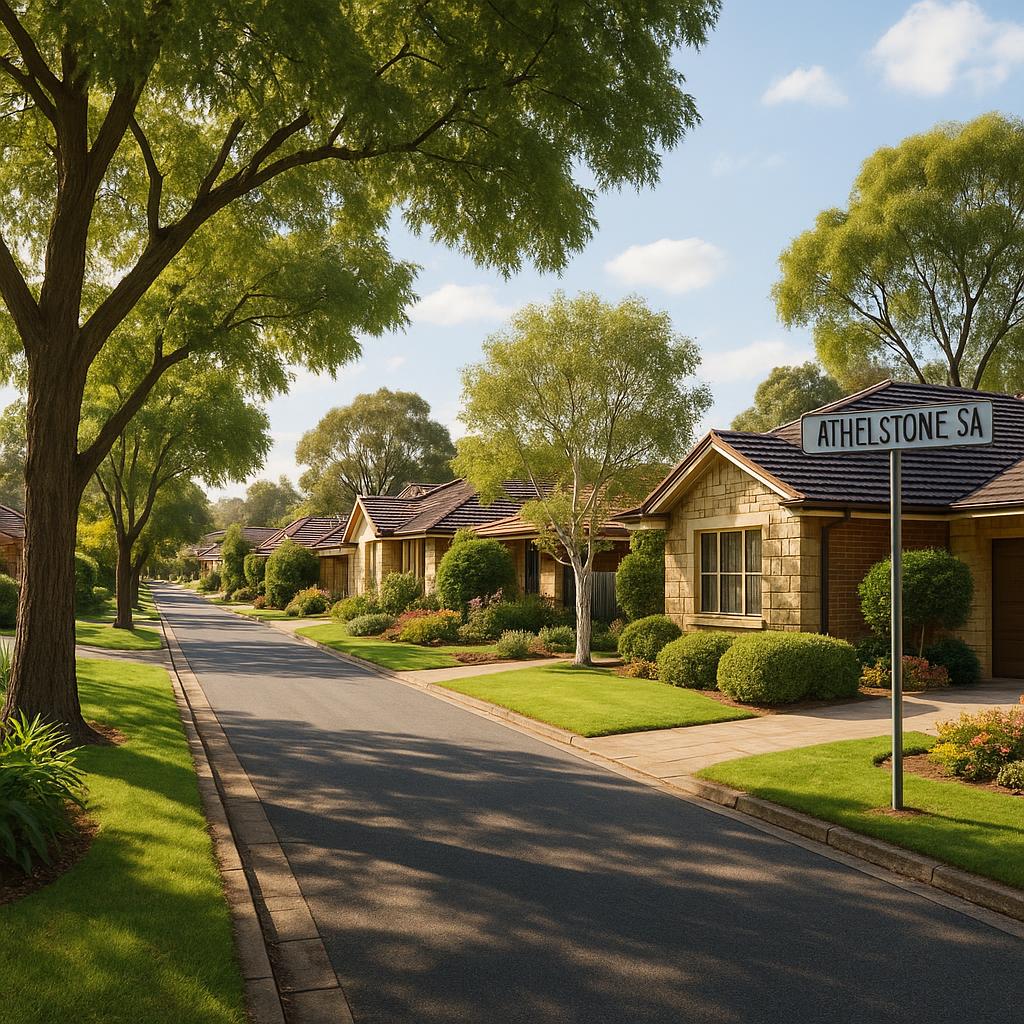
Athelstone sits in Adelaide’s north-east and is generally viewed as a leafy, established suburb with foothills appeal and a strong family orientation. It is the kind of market where liveability, home condition, and block utility often matter more than flashy development activity.
For buyers, that means the suburb usually rewards careful selection rather than rushed purchasing. For investors, it can offer a steadier holding profile if the dwelling suits long-term tenants and does not bring excessive upkeep. You should always verify current sales momentum, listing depth, and days on market using live portals and recent comparable sales.
The market here is best understood as lifestyle-led with practical investment potential. Homes that feel comfortable, functional, and easy to maintain tend to hold the widest appeal, particularly when they are positioned well within the suburb and present cleanly.
Buyer Demand
Demand in Athelstone is usually supported by households looking for a more relaxed suburban setting without losing access to everyday convenience. That keeps the buyer pool broad: first-home buyers, established families, downsizers, and selective investors can all show up in the same search range.
Competition tends to strengthen when a property offers a usable yard, a sensible floorplan, and good presentation. In practice, the homes most likely to draw attention are not necessarily the fanciest—they are the ones that reduce friction for busy buyers who want to move in, rent out, or improve gradually.
Rental Market
Athelstone generally appeals to tenants who want a stable residential environment rather than an inner-city lifestyle. That often means families and long-term renters who value space, quiet streets, and access to practical amenities. Check current asking rents on live rental platforms before using any estimate in your underwriting.
For investors, the key question is not just what rent a property might achieve, but whether it is easy to lease and inexpensive to hold. Practical kitchens, durable finishes, functional bathrooms, and low-maintenance outdoor areas usually matter more than cosmetic flair. A neat, sensible home can outperform a more ambitious renovation if it attracts longer-tenure tenants.
Lifestyle, Transport & Schools
Athelstone’s lifestyle appeal comes from its suburban calm, access to greenery, and proximity to outdoor recreation. That combination is valuable for buyers who want a home base that feels settled and family-friendly rather than dense or highly commercial.
Transport convenience should be assessed in relation to your own commute, not a generic promise of “easy access.” Test the drive at peak times, review major route connectivity, and consider how often you will need to travel for work, school runs, or errands. For many buyers, the trade-off is worthwhile if the suburb fits day-to-day living.
School access can be a major demand driver, but catchments and enrolment rules must be checked directly with official sources. Do not rely on outdated assumptions or hearsay, because schooling patterns can materially affect both buyer demand and resale appeal.
Athelstone Suburb Profile
Official 2021 Census snapshot for the ABS Suburbs and Localities geography.
Age profile
Housing tenure
Occupied private dwellings by tenure type.
Salary & income profile
Median total income reported in the Census.
*Annual figures are weekly median × 52 estimates, not separate ABS annual medians.
Education & qualifications
Highest educational attainment, people aged 15+.
Employment status
People aged 15+ who reported being in the labour force.
Industry of employment
Top responses among employed people aged 15 years and over.
Occupation profile
Broad occupation groups among employed residents, including managers.
Property Type Guide
- Detached houses: Usually the core of the suburb’s appeal, especially for families wanting land, privacy, and flexibility.
- Updated homes: Best for buyers wanting convenience and less immediate work, though premium pricing should be tested against comparable sales.
- Original-condition homes: Can suit renovators, but hidden costs in structure, services, and drainage need proper due diligence.
- Low-maintenance dwellings: Can work for downsizers or investors, provided the resale market still has enough breadth.
Risks & Watch-Outs
- Older housing stock can look affordable upfront but require a bigger maintenance budget than first expected.
- Renovation value is not guaranteed, so avoid overcapitalising on finishes that do not broaden buyer or tenant appeal.
- Street-by-street variation matters; noise, traffic, frontage, and neighbouring presentation can influence outcomes materially.
- Investor cash flow can be squeezed by repairs, compliance items, and vacancy if the property is not well chosen.
- Always inspect the dwelling, block, and local micro-location together rather than relying on the suburb name alone.
Nearby Suburbs to Compare
- Paradise SA Property Market Guide: Buyers & Investors
- Campbelltown SA Property Market Guide: Buyers & Investors
- Magill SA Property Market Guide: Buyers & Investors
- Tea Tree Gully SA Property Market Guide: Buyers & Investors
FAQ
Is Athelstone good for first-home buyers?
Yes, if you value a quieter suburban setting and are willing to focus on practical housing quality rather than chasing a trendy inner-ring lifestyle. First-home buyers should inspect land use, renovation needs, and ongoing holding costs carefully.
Is Athelstone good for investors?
It can be, especially for investors who prefer stable tenant appeal over highly speculative positioning. The key is choosing a low-maintenance property with broad appeal, sensible layout, and manageable repair risk, then verifying live rental demand.
What type of property is most suitable in Athelstone?
Detached homes usually suit the suburb best because they align with family demand and long-term liveability. Updated homes reduce work, while original homes may offer value-add potential if inspection results and renovation budgets stack up.
Is Athelstone more lifestyle or investment focused?
It leans lifestyle-first, but that does not exclude investors. The best investment case usually comes from a property that satisfies owner-occupiers and tenants alike, because broad appeal can support both occupancy and future resale.
What should I inspect before buying in Athelstone?
Check the dwelling condition, block usability, street context, drainage, and the likely cost of any upgrades. Also verify school catchments, local sales evidence, and rental competition using current official and market sources before committing.
Conclusion
Athelstone is best approached as a lifestyle-led suburb with solid family appeal and selective investment potential. It suits buyers who want space, calm streets, and practical liveability, and investors who prefer stable demand over speculative hype. The smartest purchase will be the one that matches your goals, property type preference, and tolerance for maintenance and renovation risk.
Sources & How to Verify
- Check current sold evidence on Domain to see how Athelstone homes are actually trading right now.
- Review live rental listings on realestate.com.au Rent so you do not rely on stale rent assumptions.
- Use ABS data for official suburb and regional context, but confirm it against current market activity before drawing conclusions.
- Confirm planning and development controls through your local council website and any relevant planning portal pages before assuming zoning or future change potential.
- Verify school catchments and enrolment rules directly on South Australian Government education pages rather than relying on outdated third-party summaries.
- Check road and transport updates through SA Department for Infrastructure and Transport when commute convenience is part of your buying decision.
- Arrange a building and pest inspection, because older homes can hide maintenance issues that no online listing will reveal.
- Speak with a local property manager or selling agent to validate tenant demand, likely upkeep, and street-by-street differences before you make an offer.