Quick Answer
Magill is a well-regarded eastern Adelaide suburb that suits buyers who want established housing, a quieter residential feel, and access to everyday amenities. For investors, the main advantage is not a headline yield story; it is the suburb’s broad appeal to owner-occupiers and renters who value convenience, school access, and a settled streetscape. The best outcomes usually come from choosing the right pocket and the right property type, then verifying condition, parking, and liveability before you commit.
Key Takeaways
- Magill suits buyers who want an established suburb with practical everyday convenience and a stable residential character.
- Demand is usually strongest for well-presented homes and functional layouts rather than flashy cosmetic upgrades alone.
- Investors should think carefully about tenant profile, maintenance burden, and whether the property suits long-term renting.
- Houses, units, and townhouses each play a different role here, so strategy matters as much as suburb name.
- School access, commute practicality, and local amenity are key decision drivers that should be verified before buying.
Pros & Cons
Pros
- Established suburb with strong everyday livability and broad appeal.
- Attractive to both owner-occupiers and a range of tenant profiles.
- Good fit for buyers prioritising convenience, stability, and low-drama living.
Cons
- Older housing can mean more maintenance and a less predictable upgrade bill.
- Street-by-street differences matter, so a good suburb name is not enough.
- Competition can be stronger for homes that are already well presented and well located.
Market Overview
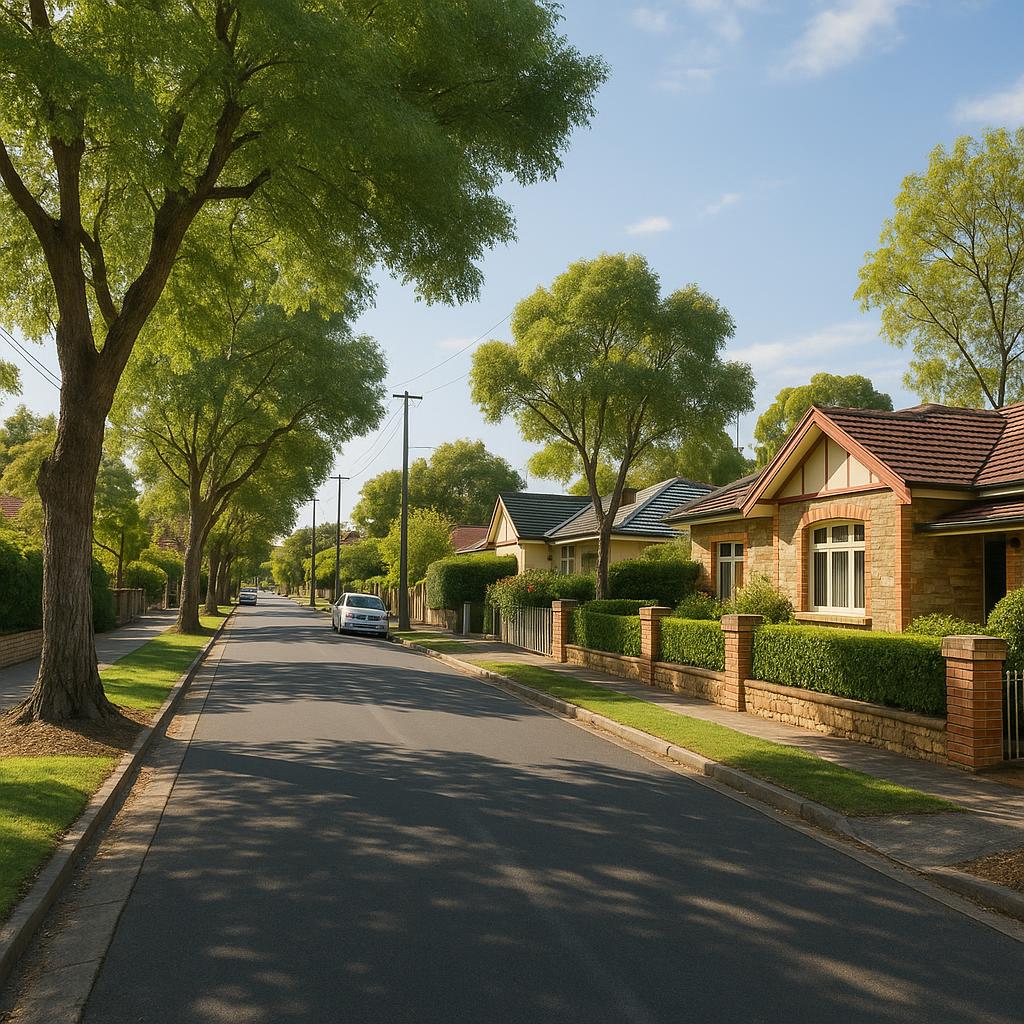
Magill is an established eastern Adelaide suburb with a residential, lived-in feel rather than a brand-new development atmosphere. That matters because buyers here are often paying for convenience, stability, and a neighbourhood they can see themselves staying in for years, not just a postcode on a spreadsheet.
The market tends to reward properties that are practical, tidy, and easy to live in. In simple terms, a well-located home with sensible parking, good light, and a usable layout will usually have more appeal than a larger but awkward property. The suburb can suit both homeowners and investors, but each group should assess the property’s likely end user first.
For buyers comparing Magill with newer outer-suburban options, the trade-off is usually land and character versus newer construction and potentially lower maintenance. For investors, the key question is whether the property will hold appeal across market cycles, especially if the tenant pool is looking for convenience, proximity to services, and a straightforward commute.
Buyer Demand
Buyer demand in Magill is typically driven by practical end users: families, downsizers, professionals, and buyers who want an established eastern-suburbs lifestyle. That creates a relatively broad audience, but it also means presentation and condition matter because buyers can usually choose between multiple similar homes.
Strong demand often comes down to simple fundamentals: a sensible floorplan, decent natural light, parking, and manageable outdoor space. A home that feels easy to live in will usually outperform one that looks good online but lacks flow, storage, or everyday convenience.
Rental Market
Magill can appeal to tenants who want an established suburb with day-to-day convenience and access to Adelaide’s eastern corridor. Likely tenant profiles include professionals, couples, small households, and some education-linked renters depending on the property’s location and format.
For investors, the most rentable properties are usually the ones that present cleanly and function well. A refreshed home with a practical kitchen, decent heating/cooling, parking, and low-maintenance outdoor space is often easier to lease than a dated property that needs work. Before buying, check whether the floorplan suits long-term tenants, not just short-term appeal.
Lifestyle, Transport & Schools
Magill’s lifestyle appeal is grounded in everyday ease rather than high-energy nightlife or a resort-style feel. That suits buyers who want a calm base, established streets, and access to the essentials without having to drive everywhere for simple errands.
Transport practicality matters here because commute quality influences both liveability and rental demand. Buyers should assess road access and public transport options in the context of their actual routine, not just a map. A suburb can look close to the city and still feel very different at peak travel times.
School access is often an important part of the purchase decision in eastern Adelaide. Even buyers without school-aged children may consider education catchments because they affect long-term resale depth. Verify current zones, enrolment rules, and school options directly through official sources rather than relying on hearsay or old marketing copy.
Magill Suburb Profile
Official 2021 Census snapshot for the ABS Suburbs and Localities geography.
Age profile
Housing tenure
Occupied private dwellings by tenure type.
Salary & income profile
Median total income reported in the Census.
*Annual figures are weekly median × 52 estimates, not separate ABS annual medians.
Education & qualifications
Highest educational attainment, people aged 15+.
Employment status
People aged 15+ who reported being in the labour force.
Industry of employment
Top responses among employed people aged 15 years and over.
Occupation profile
Broad occupation groups among employed residents, including managers.
Property Type Guide
- Houses: Often appeal to families and long-term owner-occupiers; land, layout, and future flexibility matter more than cosmetic finishes.
- Units: Can suit investors and first-home buyers seeking lower-maintenance living, but inspect parking, layout efficiency, and body corporate details where relevant.
- Townhouses / low-rise homes: Useful for buyers wanting a middle ground between space and convenience; storage and design quality are important.
- Older homes: Attractive for character and renovation potential, but budget for services, moisture, wiring, and long-term upkeep.
- Updated homes: Often draw stronger enquiry because buyers can move in or lease quickly, though not every upgrade adds equal value.
Risks & Watch-Outs
- Do not confuse presentation with quality; a polished finish can hide costly maintenance issues underneath.
- Micro-location matters, so compare the street, surrounding homes, traffic exposure, and proximity to daily amenity.
- Older stock may require a bigger capital reserve than first impressions suggest, especially for services and moisture-related issues.
- Some layouts look fine in photos but feel inefficient in person, which can weaken resale and rental appeal.
- Before relying on any market view, confirm zoning, planning controls, and property condition with current documents and inspections.
Nearby Suburbs to Compare
- Kensington SA Property Market Guide: Buyers & Investors
- Kent Town SA Property Market Guide: Buyers & Investors
- Marion SA Property Market Guide: Buyers & Investors
- Modbury SA Property Market Guide: Buyers & Investors
- Plympton SA Property Market Guide: Buyers & Investors
FAQ
Is Magill a good suburb for first-home buyers?
It can be, if you prioritise established amenity, a quieter environment, and a home that fits your budget without stretching too far. The key is choosing a property that balances livability with future resale appeal, rather than buying the cheapest option on the market.
Is Magill better for houses or units?
That depends on your strategy. Houses generally suit buyers wanting land, flexibility, and longer-term owner-occupier appeal. Units or townhouses may suit those seeking lower maintenance, simpler budgeting, and potentially easier rentability, provided the layout and parking are solid.
Is Magill good for investors?
It can be, because the suburb’s appeal is broad rather than niche. Investors should focus on tenant profile, maintenance risk, and how the home presents against competing rentals. A well-located, easy-to-maintain property is usually a safer play than a “cheap” one needing work.
What should I look for when buying in Magill?
Start with location, then assess layout, light, parking, and condition. In this suburb, the best properties tend to be the ones that feel easy to live in and practical to maintain. Do not skip building and pest inspections or planning checks.
How does Magill compare with nearby suburbs?
Compare it on lifestyle fit, commute practicality, housing stock, and the type of buyer or tenant each suburb attracts. Magill may suit those who want an established residential feel, while nearby suburbs can offer different energy, housing formats, or amenity mixes.
Conclusion
Magill is best viewed as a steady, established eastern Adelaide suburb where property selection matters more than hype. If you want a suburb with broad end-user appeal, practical amenities, and a more settled feel, it deserves attention. The strongest buyers and investors here usually compare streets carefully, verify details properly, and buy the property that best fits their long-term plan.
Sources & How to Verify
- Check current sold evidence and active listings on Domain so you are pricing against real market activity, not outdated estimates.
- Review rental asking prices and stock quality on realestate.com.au to understand what tenants are actually seeing now.
- Use the Consumer and Business Services SA website to check property and consumer guidance relevant to buying and tenancy matters in South Australia.
- Confirm zoning and planning controls through the SA Planning and Design Code before assuming a renovation, extension, or subdivision outcome is possible.
- Check school zones and enrolment information with the South Australian Department for Education rather than relying on third-party commentary.
- Use SA public transport information to verify routes, service patterns, and any travel assumptions you are making.
- Speak with local property managers and compare multiple inspections to test whether the home’s layout, condition, and location match your intended tenant or buyer profile.
- Order building and pest reports, then cross-check any concerns against the title, council records, and current listing claims before proceeding.