Quick Answer
Plympton is an established inner-southwest Adelaide suburb that suits buyers who value convenience, access, and flexible housing choices more than large blocks or a quiet fringe location. It can work well for owner-occupiers, downsizers, first-home buyers, and investors because it sits in a practical corridor between the city and the coast. The suburb’s appeal is strongest when the dwelling type, street setting, and condition align with your goals.
Key Takeaways
- Plympton appeals to buyers who want an established suburb with everyday convenience, not a lifestyle statement suburb.
- Its location supports both commuting and tenant demand, especially for people who value practical access over larger land sizes.
- Housing variety matters here: older homes, renovations, townhouses, and units each behave differently in the market.
- Street quality, noise exposure, and presentation can materially affect resale strength and rental performance.
- The best way to buy in Plympton is to compare the property itself, the immediate pocket, and the likely future buyer or tenant.
Pros & Cons
Pros
- Established location with strong everyday convenience.
- Broad appeal across owner-occupiers, downsizers, and investors.
- Mix of housing types supports different budgets and strategies.
Cons
- Pocket variation means some streets feel busier or less private than others.
- Older homes may need more maintenance and careful due diligence.
- Well-presented properties can attract stronger competition.
Market Overview
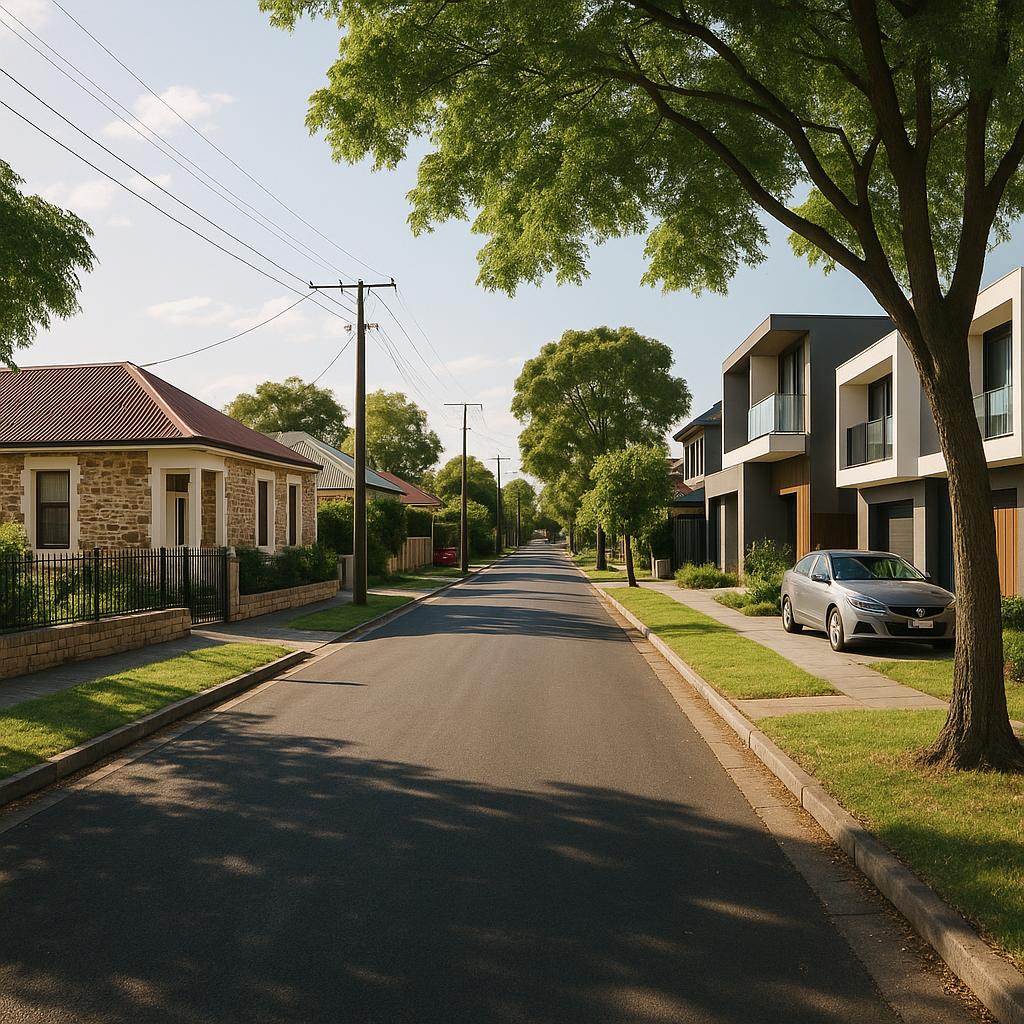
Plympton is an inner-southwest Adelaide suburb with a practical location profile rather than a single defining “headline” feature. It is an established area, so buyers will often see a mix of older detached homes, renovated stock, semi-detached dwellings, and newer infill. That diversity is useful, but it also means value can vary sharply from street to street.
For buyers, the key question is not simply whether Plympton is “good”, but which part of Plympton and which property type best matches the plan. A renovated home on a quieter residential street may behave very differently from a compact townhouse near a busier corridor. Investors should think about tenant appeal, upkeep, and resale depth, while homeowners should focus on liveability and long-term comfort.
This is the kind of suburb where location logic matters more than hype. Buyers who understand the immediate micro-market can find solid long-term holding potential, particularly if they avoid overpaying for cosmetic upgrades or underestimating maintenance in older housing.
Buyer Demand
Demand in Plympton tends to come from practical buyers: owner-occupiers wanting convenience, first-home buyers looking for an established suburb close to major amenities, and downsizers who want a manageable home without moving far from the action. Investors are also drawn to its broad-use location profile and housing mix.
The strongest competition usually sits around properties that are easy to live in, easy to lease, and easy to resell. That means functional layouts, sensible parking, and decent presentation often matter as much as the postcode. In a suburb like this, a buyer’s focus should be on the property’s usability rather than assuming the suburb name alone will carry demand.
Rental Market
Plympton can suit investors who want a tenant base that values access, commute practicality, and lower-maintenance living. Younger professionals, couples, and smaller households are the most obvious audience types, but the exact tenant profile will still depend on the dwelling. A tidy, well-located home with straightforward upkeep is usually easier to lease than a larger but dated property.
For investors, the better rental decisions are often the boring ones: solid presentation, reliable parking, good natural light, and a layout that feels easy to furnish. If you are comparing a compact updated dwelling with an older home that needs work, think carefully about holding costs and downtime. A suburb with broad appeal does not remove the need for a well-chosen asset.
Lifestyle, Transport & Schools
Plympton offers an established suburban lifestyle with strong day-to-day convenience. It suits people who want access to central Adelaide without living in the CBD, and it also appeals to those who want practical connections toward the western and southern parts of the metro area. That “easy movement” factor is one reason the suburb keeps attracting steady attention.
Transport is a genuine part of the value story. Buyers and renters often place weight on how quickly they can reach work, study, retail, and coastal leisure destinations. For school-focused buyers, the important point is to check current catchment information, enrolment rules, and commute logistics rather than relying on reputation alone. Education decisions are often about fit, not rankings.
As a lifestyle choice, Plympton is less about a standout attraction and more about making everyday life smoother. That can be a strong advantage for time-poor households, but it also means buyers should inspect the street environment carefully because traffic exposure and local activity can affect comfort.
Plympton Suburb Profile
Official 2021 Census snapshot for the ABS Suburbs and Localities geography.
Age profile
Housing tenure
Occupied private dwellings by tenure type.
Salary & income profile
Median total income reported in the Census.
*Annual figures are weekly median × 52 estimates, not separate ABS annual medians.
Education & qualifications
Highest educational attainment, people aged 15+.
Employment status
People aged 15+ who reported being in the labour force.
Industry of employment
Top responses among employed people aged 15 years and over.
Occupation profile
Broad occupation groups among employed residents, including managers.
Property Type Guide
- Older detached homes: useful if you want land value, renovation potential, and broader family appeal, but check for hidden maintenance and layout constraints.
- Renovated homes: attractive for move-in-ready buyers, though the quality of workmanship matters more than cosmetic finish alone.
- Townhouses and newer infill: often suit busy owners or investors who want lower upkeep and modern functionality.
- Units and apartments: can provide accessible entry points and simple upkeep, but privacy, strata settings, and space limitations need attention.
- Semi-detached dwellings: may balance affordability and liveability, especially where the floor plan is sensible and the immediate pocket is quiet.
Risks & Watch-Outs
- Not every street offers the same experience, so assess traffic, noise, parking, and surrounding development carefully.
- Older homes can hide expensive issues such as outdated services, moisture problems, poor insulation, or ageing roofs.
- “Updated” properties should still be inspected closely, because cosmetic renovations can mask poor workmanship or awkward layouts.
- Planning, zoning, and heritage constraints can affect what you can alter, extend, or redevelop later.
- Investors should test real rental demand for the specific dwelling, not assume the suburb name guarantees a strong lease outcome.
Nearby Suburbs to Compare
- Marleston
- Kurralta Park
- Camden Park
- Glandore
- Plympton Park
FAQ
Is Plympton a good suburb for first-home buyers?
Plympton can suit first-home buyers who want an established location with practical access and a range of property types. The main advantage is flexibility: you may be able to choose between a unit, townhouse, or older home depending on budget and lifestyle priorities.
Is Plympton better for owner-occupiers or investors?
It can work for both, but for different reasons. Owner-occupiers may value convenience and commute efficiency, while investors may like the broad tenant appeal. The right outcome depends more on the specific dwelling and street than on the suburb label alone.
What kinds of properties are common in Plympton?
You are likely to see a mix of older detached houses, renovated homes, semi-detached dwellings, units, townhouses, and some newer infill. That variety gives buyers options, but it also means each property should be assessed on its own merits.
Is Plympton suitable for families?
Yes, especially for families who value access, convenience, and an established urban feel. The important checks are practical ones: yard space, parking, street safety perceptions, school access, and how well the layout supports everyday family life.
What should investors check before buying in Plympton?
Focus on tenant appeal, maintenance risk, parking, and immediate micro-location. A tidy, easy-to-manage dwelling in a sensible pocket is usually more defensible than a cheaper property with awkward access, heavier upkeep, or weak presentation.
Conclusion
Plympton is a sensible Adelaide suburb for buyers who want convenience, housing choice, and a practical holding profile. It is not a one-size-fits-all market, so the winning strategy is to choose the right street, dwelling type, and condition for your goals. Compare carefully, verify current data, and prioritise livability as much as location.
Sources & How to Verify
- Check current sold results and listing history on Domain so you can compare asking prices, sale patterns, and how long similar homes are taking to move.
- Review active rentals on realestate.com.au to see what property types are actually leasing and how presentation affects tenant interest.
- Use the SA Government planning and zoning information to confirm overlays, zoning, and development constraints before you buy.
- Look up suburb and household context through the Australian Bureau of Statistics Census if you want background on dwellings, occupancy patterns, and demographic change.
- Check local routes and service coverage on Adelaide Metro to confirm transport access, frequencies, and stop locations relevant to your commute.
- Use Find a School to verify current school options, catchments, and enrolment details rather than relying on outdated assumptions.
- Speak with local agents and review several comparable sales because street-by-street differences in Plympton can materially change value and buyer competition.
Internal link suggestions: Mitchell Park SA Property Market Guide: Buyers & Investors; Oaklands Park SA Property Market Guide: Buyers & Investors; Marion SA Property Market Guide: Buyers & Investors; Glandore SA Property Market Guide: Buyers & Investors; Kurralta Park SA Property Market Guide: Buyers & Investors