Quick Answer
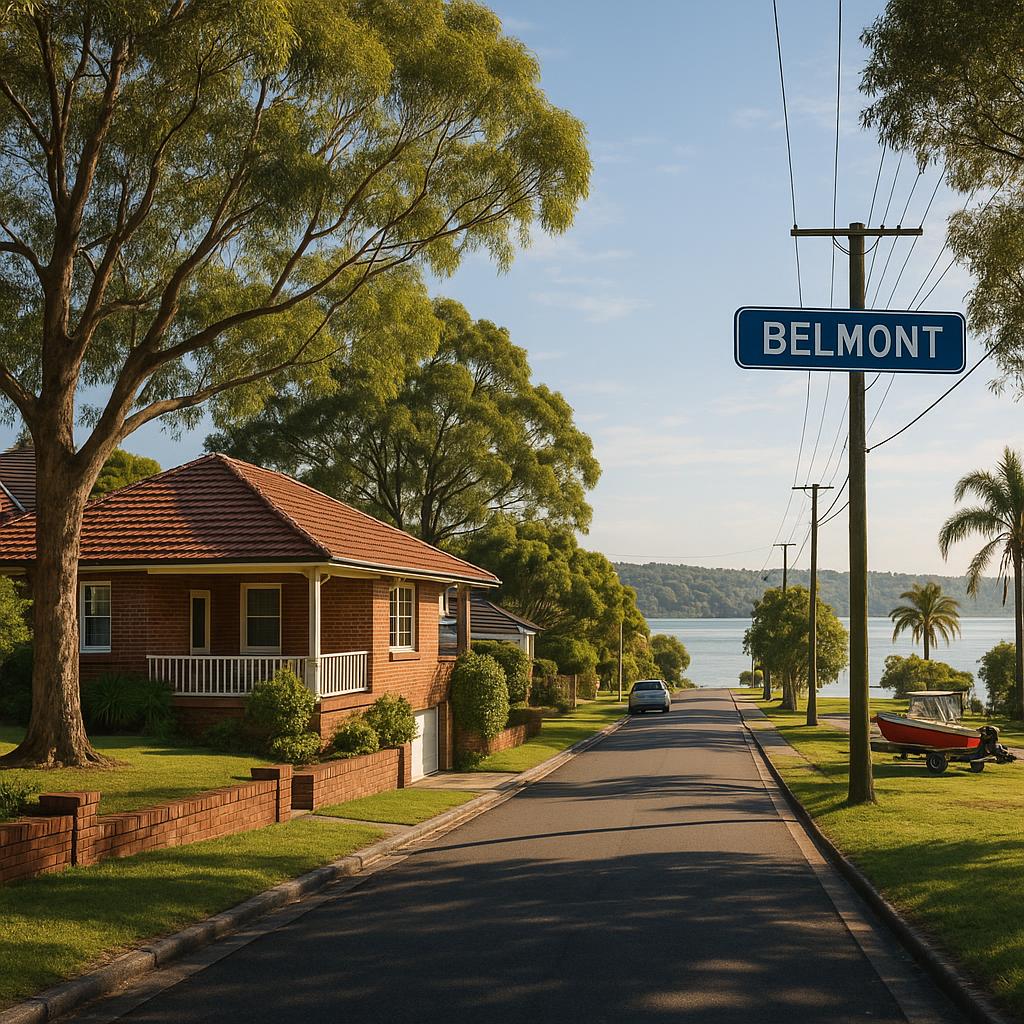
Belmont NSW is a practical lakeside suburb in Lake Macquarie with broad appeal to owner-occupiers, downsizers, lifestyle buyers, and investors who want steady, everyday demand rather than speculative hype. It tends to suit buyers who value a balance of convenience, outdoor access, and a mix of established housing stock. The best purchases are usually the ones that match micro-location, property condition, and intended use, because Belmont can vary meaningfully street by street.
Key Takeaways
- Belmont suits multiple buyer profiles, but your strategy should be clear before you compare houses, land size, and renovation scope.
- The suburb’s drawcard is lifestyle plus convenience, not prestige; that makes it attractive to practical buyers and long-term holders.
- Investor outcomes depend heavily on tenant-friendly features such as layout, parking, maintenance, and access to services.
- Micro-location matters: quieter streets, better access, and stronger presentation can change buyer competition and resale strength.
- The smartest approach is to compare Belmont against nearby Lake Macquarie and coastal alternatives on value, liveability, and holding costs.
Pros & Cons
Pros
- Lakeside lifestyle with strong everyday livability
- Varied housing stock for families, downsizers, and investors
- Broad appeal to both owner-occupiers and tenants
Cons
- Some pockets face traffic, noise, or through-road exposure
- Older homes can bring maintenance and upgrade costs
- Well-presented homes may attract stronger competition
Market Overview
Belmont sits in a lifestyle-oriented pocket of Lake Macquarie, where the market is shaped by lake access, daily convenience, and a housing mix that includes older homes, renovated stock, and low-maintenance options. It is not a suburb where one property type fits every buyer; the value proposition changes depending on whether you want land, ease of upkeep, or a straightforward home base.
For buyers, that means the real question is not just “Is Belmont popular?” but “Which Belmont pocket and dwelling type suit my goal?” For investors, that same variety creates both opportunity and risk: a functional, well-located home may appeal broadly, while a more compromised property may need stronger pricing discipline or a clearer value-add plan.
Belmont’s market story is usually about balance. It offers more practical livability than a purely coastal lifestyle suburb, while still giving buyers access to recreation, services, and commuter routes. That balance is exactly why it attracts repeat interest from families, downsizers, and investors who want a dependable market rather than a one-note story.
Buyer Demand
Belmont commonly draws families wanting day-to-day convenience, downsizers seeking manageable homes in a familiar lifestyle setting, and investors looking for steady tenant interest. First-home buyers may also compare it with nearby suburbs when they want more usable housing or better value than more tightly priced coastal pockets.
Demand is strongest where a property feels easy to live in: functional layouts, off-street parking, decent outdoor space, and a reasonable distance to amenities. A neat older home can outperform a newer property if the location is better, the floorplan is more practical, and the cost to maintain it is lower.
Rental Market
For renters, Belmont is attractive because it combines lifestyle access with everyday practicality. That usually supports broad tenant demand, especially for homes that are clean, well maintained, and easy to access from major routes and local services.
From an investor perspective, the strongest rental properties are usually the ones that are simple to maintain and easy to re-let. Think functional kitchens and bathrooms, workable parking, and low-maintenance yards. You do not need a flashy property to perform well; you need a dwelling that suits the local tenant pool and does not create avoidable upkeep.
Lifestyle, Transport & Schools
Belmont’s lifestyle appeal comes from its lake-oriented setting and its everyday usefulness. It suits buyers who want recreation nearby without giving up basic convenience, and that combination can be especially appealing to households balancing work, school, sport, and weekend activity.
Transport matters here because commute practicality affects both owner-occupier demand and rental demand. Buyers should test route access, turning movements, and parking conditions at different times of day, because a home that seems convenient on a quiet inspection morning can feel very different in school-run or peak-hour traffic.
School access is a common decision factor for families, but it should be verified directly through current NSW school information and local catchment details. For buyers, the broader point is simple: homes with easier daily routines often command stronger long-term appeal than homes with a better postcode but awkward access.
Belmont (NSW) Suburb Profile
Official 2021 Census snapshot for the ABS Suburbs and Localities geography.
Age profile
Housing tenure
Occupied private dwellings by tenure type.
Salary & income profile
Median total income reported in the Census.
*Annual figures are weekly median × 52 estimates, not separate ABS annual medians.
Education & qualifications
Highest educational attainment, people aged 15+.
Employment status
People aged 15+ who reported being in the labour force.
Industry of employment
Top responses among employed people aged 15 years and over.
Occupation profile
Broad occupation groups among employed residents, including managers.
Property Type Guide
- Older freestanding homes: Often suit buyers wanting land, flexibility, and future renovation upside.
- Updated family homes: Best for households that want move-in-ready livability and fewer immediate costs.
- Low-maintenance dwellings: Useful for investors and downsizers prioritising ease of ownership.
- Renovator stock: Can offer value-add potential, but only if the repair budget and timeline are realistic.
- Broader-lot homes: Often appeal to families and buyers who value outdoor space, storage, and future adaptability.
Risks & Watch-Outs
- Busy-road exposure can reduce privacy, increase noise, and change resale appeal.
- Older homes may hide deferred maintenance, especially around roofs, drainage, and moisture management.
- Cosmetic updates can look appealing while masking poor workmanship or deeper structural issues.
- Not every street offers the same liveability, so inspect the exact pocket rather than relying on suburb reputation.
- Investors should avoid overcapitalising on upgrades that do not suit the likely tenant and buyer pool.
Nearby Suburbs to Compare
Belmont is best assessed against nearby suburbs with similar lifestyle or convenience appeal, not in isolation. Useful comparison points include Warners Bay NSW Property Market Guide: Buyers & Investors, Charlestown NSW Property Market Guide: Buyers & Investors, Merewether NSW Property Market Guide: Buyers & Investors, Cessnock NSW Property Market Guide: Buyers & Investors, and Maitland NSW Property Market Guide: Buyers & Investors.
FAQ
Is Belmont NSW a good suburb for homeowners?
Yes, if you want a practical lakeside location with useful services, lifestyle access, and a housing mix that can suit different household stages. The best fit is a home that matches your daily routine, not just your ideal suburb label.
Is Belmont NSW a good suburb for property investors?
It can be, particularly when you buy a property with broad tenant appeal and manageable maintenance. Investors should focus on layout, access, parking, and condition rather than relying on a generic assumption that all Belmont properties will perform similarly.
What type of buyer suits Belmont best?
Belmont tends to suit families, downsizers, first-home buyers seeking practical value, and investors who want a steady rental profile. It is especially attractive to buyers who prioritise liveability, convenience, and a balanced lifestyle over prestige or density.
What should I inspect carefully before buying in Belmont?
Check the exact street position, traffic exposure, parking, drainage, roof condition, and any evidence of deferred maintenance. Also assess whether the floorplan and outdoor space fit your intended use, because value can vary significantly between seemingly similar homes.
How should I compare Belmont with nearby suburbs?
Compare Belmont with nearby suburbs on value, commute convenience, housing stock, and lifestyle access. A smart comparison looks at the property type you can actually buy, then weighs up holding costs, liveability, and likely resale appeal in the current market.
Conclusion
Belmont NSW is a balanced, practical suburb with real appeal for buyers who want lifestyle access without unnecessary complexity. The best results usually come from matching property type to strategy, paying close attention to micro-location, and buying with realistic expectations. For both homeowners and investors, Belmont rewards careful selection more than headline-chasing.
Sources & How to Verify
- Check current sold prices and active listings on Domain so you are using live market evidence rather than outdated estimates.
- Review recent comparable sales on realestate.com.au to compare land size, condition, and location against Belmont properties you are considering.
- Use the Australian Bureau of Statistics to confirm demographic context, but remember suburb data can lag behind current market conditions.
- Check local planning controls and zoning guidance through the NSW Planning Portal before assuming a site has renovation or redevelopment potential.
- Verify school zoning and enrolment details with the NSW School Finder, because catchments and access can change.
- Review bus, rail, and route information on Transport for NSW to confirm actual commute options rather than relying on general suburb reputation.
- Cross-check council-related planning or local amenity questions with Lake Macquarie City Council so you understand local rules and nearby works that may affect liveability.
- Inspect the property at different times of day and pair that with a building and pest report, because noise, traffic, and maintenance issues are often street-specific rather than suburb-wide.