Quick Answer
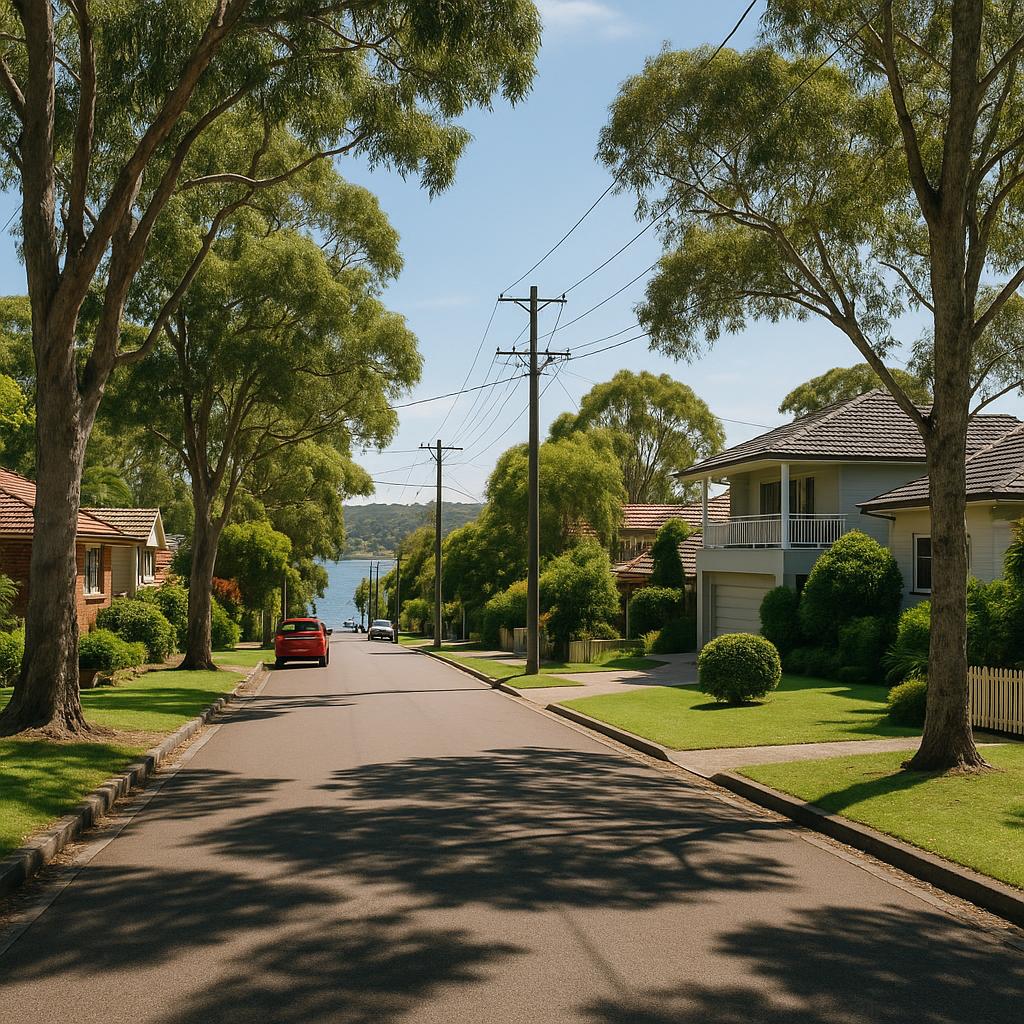
Warners Bay is a lifestyle-led Lake Macquarie suburb that tends to suit owner-occupiers, downsizers, and investors who value strong everyday amenity over pure land content. The suburb’s appeal comes from its lakeside setting, local convenience, and a housing mix that can suit different budgets and strategies. For buyers, the key is micro-location and property type; for investors, the focus should be tenant appeal, maintenance burden, and long-term resale clarity.
Key Takeaways
- Warners Bay is best understood as a convenience-and-lifestyle suburb, not a one-size-fits-all market.
- Walkability, presentation, and property type can matter more here than simply buying the largest block.
- Owner-occupiers often value the suburb’s daily livability, while investors should prioritise low-maintenance tenant appeal.
- Street-by-street differences can be significant, especially for noise, slope, parking, and drainage.
- Always compare the specific property, not just the suburb name, because micro-location drives outcomes.
Pros & Cons
Pros
- Strong everyday amenity and a clear lakeside lifestyle story.
- Broad appeal across families, downsizers, and practical investors.
- Multiple property types can suit different budgets and holding strategies.
Cons
- Desirable lifestyle suburbs can attract competitive buying conditions for quality stock.
- Some pockets may have site-specific issues such as slope, older layouts, or traffic exposure.
- Buying for prestige alone can reduce investment efficiency if holding costs are ignored.
Market Overview
Warners Bay is commonly viewed as one of Lake Macquarie’s more established, amenity-rich suburbs, with a reputation built on convenience, recreation, and a relaxed residential feel. It is not a pure prestige market or a pure investor market; it sits in the middle, which is part of its strength.
That positioning matters because demand often comes from people who want to live well day to day. Buyers are usually weighing up access to local services, the lake, and a manageable lifestyle, while investors are looking at whether the property will stay broadly attractive to tenants and future purchasers.
In practical terms, value is often influenced by walkability, street appeal, parking, home presentation, and the specific dwelling type. A neat home in a convenient pocket can be far more compelling than a larger property in a less practical position.
Buyer Demand
Demand in Warners Bay is typically driven by owner-occupiers first, especially families, downsizers, and upsizers who want a balanced living environment. That usually means strong interest in well-located homes with easy access to amenities, usable layouts, and low day-to-day friction.
For investors, the key is understanding who the likely tenant is before buying. A property that feels easy to live in, easy to maintain, and easy to explain in a listing usually has a broader market than a home that relies on niche features or a heavily “story-led” renovation.
Rental Market
The rental market in Warners Bay tends to suit tenants who value convenience, lifestyle, and access to services. That can include local professionals, couples, small families, and longer-term renters who prefer a suburb with a strong liveability profile.
From an investor’s perspective, lower-maintenance homes often make more sense than chasing the biggest dwelling possible. Features such as good parking, practical storage, sensible floorplans, and easy-care outdoor space can improve leasing appeal more reliably than cosmetic flash alone.
Lifestyle, Transport & Schools
Warners Bay’s lifestyle appeal comes from its lakeside setting and practical amenity mix. For many residents, the attraction is not just recreation; it is the ability to get through the week with less driving and fewer compromises.
Transport practicality still matters, even in a lifestyle suburb. Buyers should assess commute patterns, parking, turning access, and peak-time traffic on the actual street they are considering, because these details can change the liveability of a property more than people expect.
School proximity can also influence demand for family homes, but catchments and enrolment rules should be checked directly before purchase. For investors, school-driven demand can help widen the tenant pool, while for owner-occupiers it often shapes where budgets stretch and where they do not.
Warners Bay Suburb Profile
Official 2021 Census snapshot for the ABS Suburbs and Localities geography.
Age profile
Housing tenure
Occupied private dwellings by tenure type.
Salary & income profile
Median total income reported in the Census.
*Annual figures are weekly median × 52 estimates, not separate ABS annual medians.
Education & qualifications
Highest educational attainment, people aged 15+.
Employment status
People aged 15+ who reported being in the labour force.
Industry of employment
Top responses among employed people aged 15 years and over.
Occupation profile
Broad occupation groups among employed residents, including managers.
Property Type Guide
- Established houses: Often suit families and upsizers seeking space, future renovation scope, or a stronger sense of permanence.
- Renovated homes: Can appeal to owner-occupiers wanting move-in ease, but the quality of the work matters more than the styling.
- Townhouses and villas: Usually fit downsizers and investors wanting lower upkeep, simpler care, and broad day-to-day appeal.
- Apartments and units: Can work well for entry buyers and investors prioritising convenience, but strata, parking, and noise deserve close review.
- Decision rule: Buy the type that matches your intended end user, not just the one that looks best in photos.
Risks & Watch-Outs
- Micro-location matters, so two similar homes can perform very differently depending on street position and exposure.
- Noise, traffic flow, and parking stress can affect both liveability and resale appeal.
- Some properties may have slope, drainage, or access issues that are expensive to manage over time.
- Older homes can hide maintenance work that is not obvious during a short inspection.
- Attached dwellings may carry strata obligations that change the true holding cost.
Nearby Suburbs to Compare
- Charlestown
- Eleebana
- Belmont
- Merewether
- Cessnock as a broader value comparison if you are testing budget and strategy
FAQ
What makes Warners Bay attractive to buyers?
Its main draw is the combination of lakeside lifestyle, local convenience, and a suburb profile that feels practical rather than isolated. Buyers often like that they can prioritise daily liveability without sacrificing access to recreation and amenities.
Is Warners Bay better for owner-occupiers or investors?
It often leans more naturally toward owner-occupiers and lifestyle buyers, but investors can still do well if they choose the right dwelling type and location. The best investor outcomes usually come from easy-to-let properties with low upkeep and broad appeal.
What property types tend to make the most sense?
That depends on the strategy. Houses suit families and long-term owner-occupiers, while townhouses and well-located apartments can be more practical for investors or downsizers who want lower maintenance and simpler ownership.
What should I check before buying in Warners Bay?
Check the street, not just the suburb. Review slope, noise, parking, drainage, layout efficiency, and any strata documents if applicable, then compare the home with recent local sales and current listings to judge relative value.
How should I compare Warners Bay with nearby suburbs?
Compare the real trade-offs: convenience, property type, liveability, and holding costs. A nearby suburb may offer a different balance between budget, access, and lifestyle, so choose based on your end user, not just familiarity.
Conclusion
Warners Bay is a strong example of a suburb where lifestyle and practicality intersect. That makes it appealing, but it also means buyers need to think carefully about micro-location, property type, and long-term use. If you buy with your end goal in mind, the suburb can reward both owner-occupiers and investors.
Sources & How to Verify
- Check current listings and recent sold evidence on Domain so you are not relying on outdated price assumptions.
- Review comparable sales and rental competition on realestate.com.au to test whether the property is priced and positioned competitively.
- Use ABS suburb and regional data to understand the broad demographic context, while remembering that census data is not a substitute for property-level due diligence.
- Confirm zoning, planning controls, and any development constraints through the NSW Planning Portal before relying on renovation or extension assumptions.
- Verify school catchments and enrolment information via the NSW School Finder because catchments and rules can materially affect family demand.
- Check local roads, commuting routes, and public transport changes on Transport for NSW rather than assuming current travel patterns will stay the same.
- Use the local council website to review flood, drainage, and development information, especially if the property sits on a low-lying or sloping site.
- If the dwelling is strata-titled, request the strata report and review levies, capital works planning, and by-laws before making an offer.