Quick Answer
Bathurst is a regional NSW market that suits buyers who want space, established services, and a more measured pace than metropolitan areas. For homeowners, the key is choosing a property that fits daily life and future resale. For investors, the best outcomes usually come from broad tenant appeal, manageable upkeep, and a location that works for families, workers, and education-linked renters. Bathurst rewards practical buying over speculation.
Key Takeaways
- Bathurst offers a regional lifestyle with enough services, employment anchors, and housing choice to support both owner-occupiers and investors.
- Demand is typically strongest for well-located homes that are easy to live in, easy to rent, and easy to maintain over time.
- The market can suit family buyers, downsizers, first-home buyers, and investors, but each group values different features.
- Property condition and micro-location matter more here than flashy presentation, because holding costs can erode a poor purchase.
- Use current sales, lease evidence, and planning checks to verify value rather than relying on broad regional assumptions.
Pros & Cons
Pros
- Regional affordability relative to major metro markets
- Broad appeal to families, downsizers, investors, and first-home buyers
- Good fit for buyers wanting a lower-density, more practical lifestyle
Cons
- Local market performance can be sensitive to employment and demand shifts
- Older homes may need more maintenance and realistic renovation budgets
- Value depends heavily on street-level appeal, access, and property condition
Market Overview
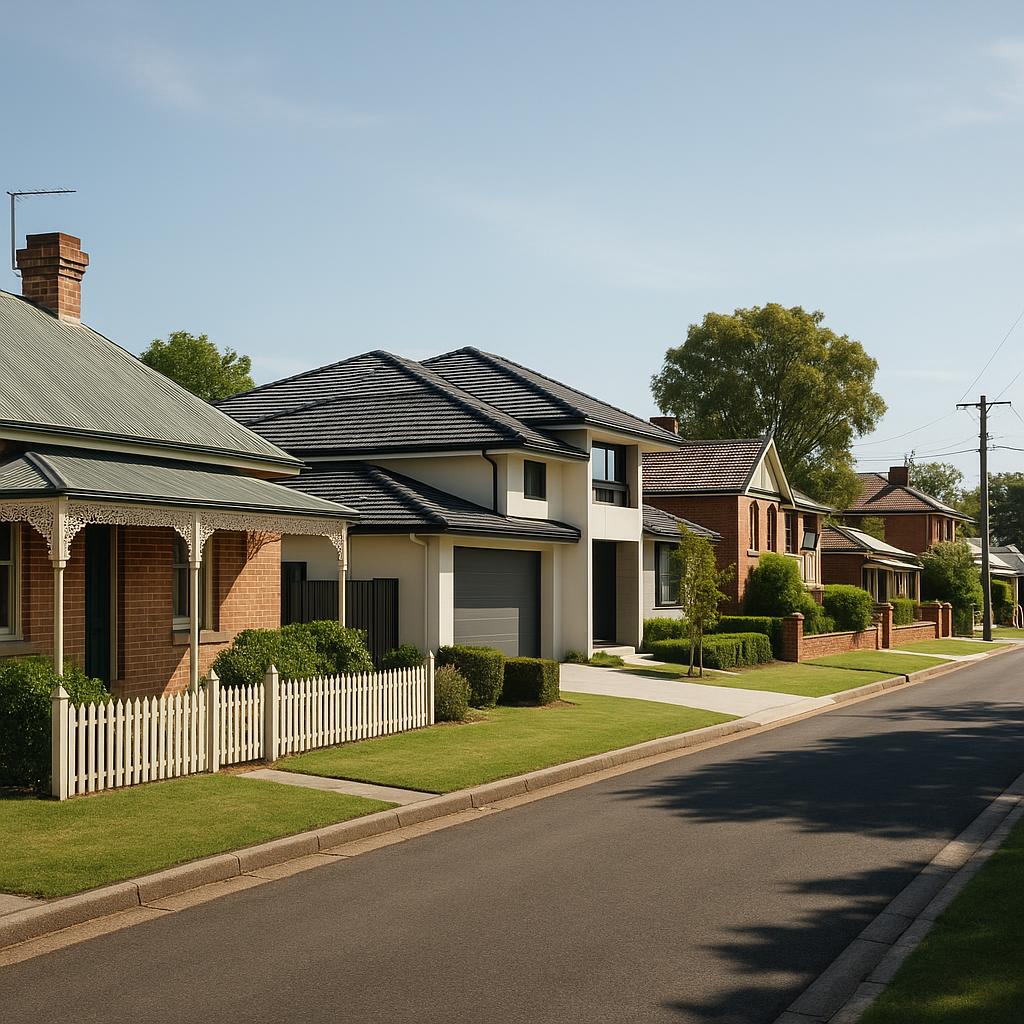
Bathurst is best understood as a regional service centre with a mix of heritage character, family-friendly streets, and newer residential pockets. That combination gives it a wider buyer base than a single-purpose township, which is useful for both resale and rental resilience.
For buyers, Bathurst usually makes sense when the goal is liveability, practical value, and access to essential services rather than fast capital growth speculation. For investors, the market tends to reward properties that are straightforward to occupy, easy to maintain, and attractive to more than one tenant profile.
The key market question is not simply “is Bathurst cheap or expensive?”, but “does this specific property match the demand profile of the area?”. A neat house on a sensible street can outperform a better-looking listing in a weaker pocket if it is easier to rent and sell.
Buyer Demand
Demand in Bathurst is generally driven by households wanting a practical regional lifestyle: families, professionals, downsizers, and buyers relocating from more expensive markets. Education, local services, and day-to-day convenience all shape what gets attention.
From a strategy perspective, the strongest properties are usually the ones with broad usability. A well-presented three-bedroom home with parking, decent outdoor space, and easy access to amenities can appeal to both owner-occupiers and investors, which helps support liquidity when you want to sell.
Rental Market
Bathurst’s rental demand typically comes from a mix of families, local workers, students or education-linked tenants, and people testing the region before buying. That diversity is helpful, but only if the property suits several of those groups rather than relying on a niche renter.
Practicality matters more than luxury in most rental decisions. Good heating and cooling, functional layouts, sensible parking, storage, and low-maintenance exteriors usually matter more than high-end finishes. Investors should compare live listings and speak with local property managers to check what is actually leasing well now.
Lifestyle, Transport & Schools
Bathurst’s lifestyle appeal sits in its balance of regional convenience and a more relaxed daily rhythm. Residents often value access to services, recreation, cafes, parks, and community facilities without the congestion and cost pressure of larger cities.
Transport is largely about road access and everyday practicality. For many households, easy parking, simple commuting routes, and quick access to key destinations are more important than being close to high-frequency public transport. That makes street access and driveway usability worth checking carefully during inspections.
School access can influence both owner-occupier demand and rental depth, but buyers should confirm catchment boundaries and school details directly with official sources rather than relying on assumptions. If you are targeting families, proximity to everyday services and a sensible street environment often matters as much as school convenience.
Bathurst Suburb Profile
Official 2021 Census snapshot for the ABS Suburbs and Localities geography.
Age profile
Housing tenure
Occupied private dwellings by tenure type.
Salary & income profile
Median total income reported in the Census.
*Annual figures are weekly median × 52 estimates, not separate ABS annual medians.
Education & qualifications
Highest educational attainment, people aged 15+.
Employment status
People aged 15+ who reported being in the labour force.
Industry of employment
Top responses among employed people aged 15 years and over.
Occupation profile
Broad occupation groups among employed residents, including managers.
Property Type Guide
- Houses: Usually the broadest-fit option for families and long-term owners. Check renovation quality, roof condition, drainage, and ongoing maintenance needs.
- Heritage or older homes: Attractive to character buyers, but they require disciplined budgeting for repairs, compliance, and future upkeep.
- Units and lower-maintenance dwellings: Often suit investors, downsizers, and first-home buyers who prioritise simplicity and lower day-to-day management.
- Newer homes: Can be easier to hold and market, provided the price premium makes sense against location and long-term demand.
- Best-fit rule: Choose the property type that matches your holding strategy, not just the one that looks best on inspection day.
Risks & Watch-Outs
- Some pockets may be more exposed to drainage, flood, or access issues, so check mapping and local knowledge before committing.
- Older housing stock can hide expensive repairs, especially where cosmetic updates mask deferred maintenance.
- Rental expectations should be tested against current listings, because overestimating rent can distort your purchase decision.
- Overcapitalising on a heavily customised renovation may reduce future buyer depth even if the property looks impressive now.
- Street context matters: traffic, noise, awkward access, and poor presentation can weaken both resale and rentability.
Nearby Suburbs to Compare
- Orange NSW Property Market Guide: Buyers & Investors
- Dubbo NSW Property Market Guide: Buyers & Investors
- Maitland NSW Property Market Guide: Buyers & Investors
- Cessnock NSW Property Market Guide: Buyers & Investors
- Orange
- Lithgow
FAQ
What is Bathurst best suited to?
Bathurst is best suited to buyers who want a regional lifestyle with practical amenities, and to investors who value broad tenant appeal. It can work for families, downsizers, and first-home buyers, provided the property matches their daily needs and long-term plans.
Is Bathurst a good place to invest in property?
It can be, if you focus on location, tenant demand, and maintenance costs rather than chasing a headline number. A good Bathurst investment is usually one that remains easy to lease, easy to maintain, and broadly appealing in several market conditions.
What type of property performs best in Bathurst?
There is no single winner, but well-located houses often have the widest buyer pool. Investors may also find value in low-maintenance dwellings, while character buyers may prefer older homes if they budget carefully for upkeep and renovation risk.
Which areas in Bathurst are best for families?
Families typically prioritise convenience, street feel, parking, and access to schools and services. The best areas are usually the ones that combine these features with a sensible commute and a home layout that works for everyday living, not just weekend appeal.
What should investors avoid?
Avoid buying a property that only works on paper. Poor access, expensive maintenance, overcapitalised renovations, or weak tenant appeal can reduce returns. Always test the property against current rental listings, comparable sales, and the likely holding costs over time.
Conclusion
Bathurst offers a practical regional property market with enough depth to suit both homeowners and investors. The strongest results usually come from choosing the right property type in the right pocket, then verifying value with current sales, leases, and planning checks. If you buy for utility, resilience, and long-term appeal, Bathurst can be a sensible regional option.
Sources & how to verify
- Check current sold prices and rental listings on Domain so you are comparing real-time market evidence rather than relying on outdated estimates.
- Use realestate.com.au to compare nearby listings, property types, and days-on-market signals that may indicate buyer and tenant depth.
- Review transport and route information on Transport for NSW to understand practical commuting and road access implications for a property.
- Check zoning, planning controls, and development pathways on the NSW Planning Portal before assuming renovation or extension potential.
- Use ABS data to understand the broader regional context, but remember it should support, not replace, live market checks.
- Confirm school catchment and education details through the NSW Government School Finder rather than relying on hearsay or old mapping screenshots.
- Look up flood and hazard information through relevant NSW and local mapping tools so you can assess drainage, access, and insurance implications properly.
- Speak with at least one local selling agent and one property manager to verify what is selling, what is leasing, and which features are genuinely valued in Bathurst now.