Quick Answer
Byron Bay NSW is a lifestyle-led coastal market where location, scarcity, and property usability matter more than chasing a bargain. It tends to suit buyers who value walkability, beach access, character, and long-term desirability, while investors need to be realistic about rental rules, seasonal demand, and ongoing holding costs. The best result usually comes from matching the property to your intended use first, then checking planning, flood, access, and maintenance factors before committing.
Key Takeaways
- Byron Bay rewards buyers who think in terms of lifestyle value, scarcity, and long-term holding rather than short-term discount hunting.
- Micro-location matters heavily, with walkability, beach access, privacy, and parking often shaping demand more than cosmetic presentation.
- Investors should confirm rental strategy early, because not every property will suit long-term leasing or short-stay use.
- Owner-occupiers often pay for daily convenience, while prestige buyers may accept trade-offs for views, acreage, or character.
- Careful due diligence on zoning, flood exposure, access, and upkeep can be the difference between a strong buy and an expensive mistake.
Pros & Cons
Pros
- Strong lifestyle appeal and a highly recognisable coastal address.
- Broad buyer interest from locals, seachangers, and prestige purchasers.
- Limited supply of well-located stock supports scarcity value.
Cons
- Entry costs are often elevated compared with many regional NSW markets.
- Tourism, access, and parking pressures can affect daily convenience.
- Some properties face tighter compliance, flood, or maintenance considerations.
Market Overview
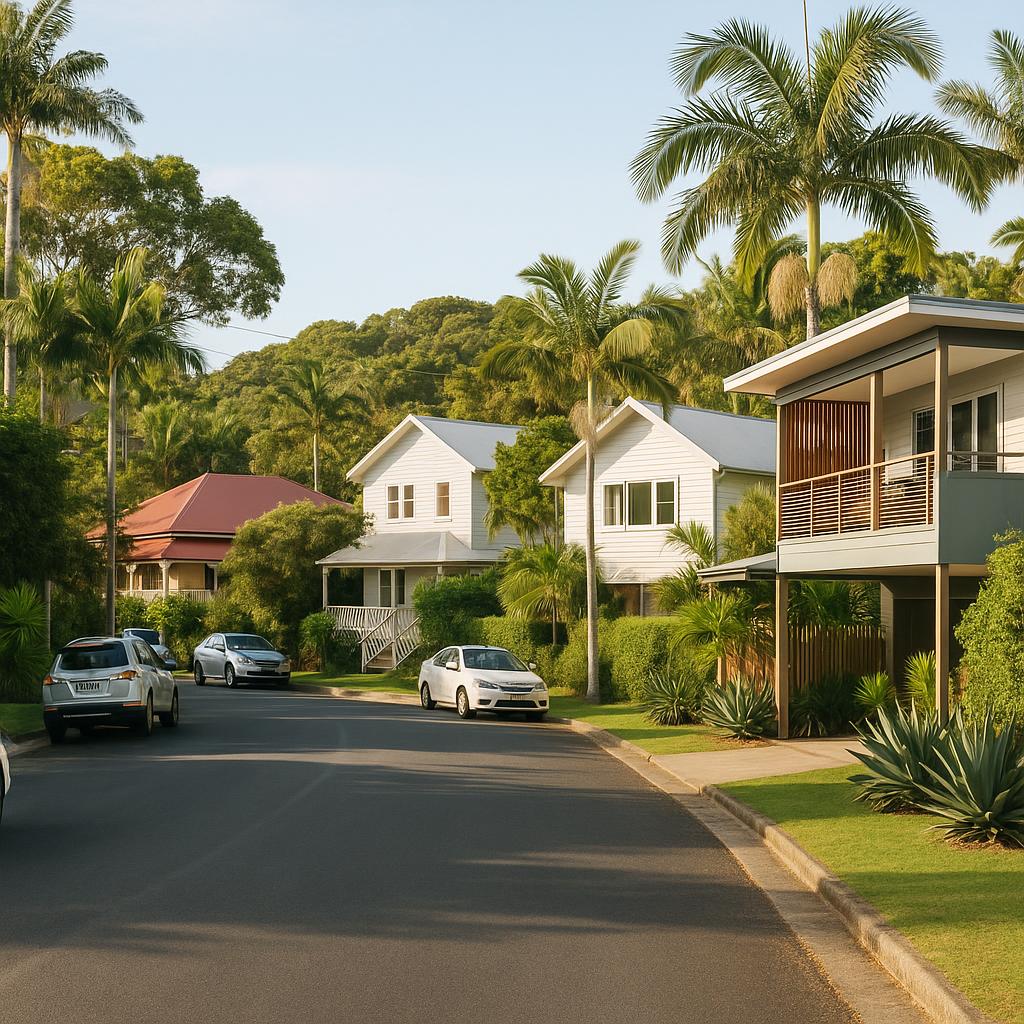
Byron Bay is one of NSW’s most recognisable coastal townships, and that brand strength is a major market feature in itself. It draws owner-occupiers, lifestyle movers, second-home buyers, and investors who are prepared to prioritise desirability over bargain pricing. The market is best understood as a collection of micro-markets: central Byron, beach-adjacent pockets, quieter residential streets, and hinterland-style properties all behave differently.
The core theme is scarcity. Well-positioned homes with practical layouts, good access, and a usable block often attract strong attention, while awkward access, poor parking, or unresolved maintenance can quickly narrow the buyer pool. In this kind of market, the winning strategy is usually to focus on the property’s real-world function, not just the postcode.
For buyers, that means comparing properties on privacy, noise, orientation, renovation potential, and daily convenience. For investors, it means checking whether the asset suits a durable rental strategy and whether the address aligns with current planning and use rules.
Buyer Demand
Demand is driven by a blend of lifestyle migration, prestige appeal, and ongoing local owner-occupier interest. Byron Bay is often chosen deliberately rather than opportunistically, which helps explain why quality homes can attract multiple buyer types at once. A renovated cottage near town, for example, may appeal to downsizers, seachangers, and investors with a long-hold mindset.
Competition tends to be strongest for homes that are easy to live in and easy to love. Buyers should expect compromise properties to take longer to move, especially if they have awkward access, limited parking, or a layout that does not match everyday living. Pre-approval, clear priorities, and a willingness to compare nearby suburbs can materially improve negotiation outcomes.
Rental Market
Byron Bay’s rental market is not one-size-fits-all. Some properties are better suited to stable long-term tenancies, while others may be considered for short-stay or mixed-use strategies where permitted. That means investors need to verify the allowable use, likely tenant profile, and the ongoing costs of management, cleaning, and compliance before relying on an income assumption.
Well-located, low-maintenance homes generally have the broadest appeal. Walkability, parking, presentation, and privacy can all influence how quickly a property leases and who it attracts. A compact townhouse may appeal to tenants wanting simplicity, while a premium beach-adjacent home may support higher-end demand if the property and local rules line up.
Lifestyle, Transport & Schools
Daily life in Byron Bay is shaped by beaches, outdoor recreation, cafes, markets, and a strong local identity. That lifestyle is a major reason people buy there, but it also changes what “good value” means: a property that saves time, reduces friction, and feels enjoyable to live in can be more valuable than a larger home in an inconvenient pocket.
Transport and access deserve practical scrutiny. Peak-period traffic, parking pressure, and the ease of getting in and out of specific streets can all affect liveability. Buyers should visit at different times of day and consider how the location works for commuting, school runs, errands, and visitors—not just weekends.
Families will usually focus on access to schooling, childcare, and routine logistics rather than prestige alone. The right home for a family is often the one that makes weekday life easier, even if it is less “iconic” on paper. That is especially true in a destination town where holiday atmosphere can hide year-round practicalities.
Byron Bay Suburb Profile
Official 2021 Census snapshot for the ABS Suburbs and Localities geography.
Age profile
Housing tenure
Occupied private dwellings by tenure type.
Salary & income profile
Median total income reported in the Census.
*Annual figures are weekly median × 52 estimates, not separate ABS annual medians.
Education & qualifications
Highest educational attainment, people aged 15+.
Employment status
People aged 15+ who reported being in the labour force.
Industry of employment
Top responses among employed people aged 15 years and over.
Occupation profile
Broad occupation groups among employed residents, including managers.
Property Type Guide
- Houses: Often favoured by families, prestige buyers, and long-term holders seeking land, privacy, and future upside.
- Apartments and units: Can suit buyers wanting lower-maintenance living, especially where walkability and ease of management matter.
- Townhouses and duplexes: Offer a middle ground between space and simplicity, with practical appeal for relocators and downsizers.
- Acreage and hinterland-style homes: Attract buyers seeking privacy, room to breathe, and a quieter lifestyle away from the busiest pockets.
- Character and renovation stock: Can be compelling when charm and usability are combined, but hidden maintenance can erode the upside.
- Newer builds: May appeal to buyers prioritising lower maintenance and modern layouts, though location still drives the premium.
Risks & Watch-Outs
- Planning and zoning must be checked for the specific address, especially if you are considering rental or renovation changes.
- Flood, drainage, and stormwater issues can be relevant in parts of the market and may affect insurance and usability.
- Parking, access, and traffic pressure can materially affect day-to-day livability, even on otherwise attractive streets.
- Noise and privacy vary significantly by pocket, so a holiday-friendly vibe may not suit permanent living.
- Coastal exposure can increase maintenance requirements, so budget for ongoing upkeep rather than assuming a low-cost hold.
Nearby Suburbs to Compare
- Byron Bay Property Market & Investment Guide 2026, New South Wales
- Bangalow
- Suffolk Park
- Mullumbimby
- Brunswick Heads
- Byron hinterland pockets
FAQ
Is Byron Bay a good place to buy a home?
It can be, if your priorities are lifestyle, location, and long-term desirability. Byron Bay tends to reward buyers who value daily liveability and scarcity rather than those searching for the cheapest entry point in NSW.
Is Byron Bay better for owner-occupiers or investors?
It can suit both, but the best fit depends on the property. Owner-occupiers often benefit most from location and lifestyle, while investors need to be careful about tenancy strategy, compliance, maintenance, and the realistic rental market for that specific asset.
What property type is most suitable in Byron Bay?
There is no single best type. Houses suit long-term living and land value, apartments suit lower-maintenance ownership, and townhouses or duplexes can provide a practical middle ground. The right choice depends on use case and budget.
How important is proximity to the beach or town centre?
Very important for many buyers, but not always decisive. Close-in properties usually enjoy stronger lifestyle appeal and broader demand, yet some buyers prefer quieter streets, extra privacy, or hinterland-style settings over walkability.
Are there compliance issues for rentals in Byron Bay?
There can be, depending on the property and intended use. Buyers should verify zoning, any short-stay or planning restrictions, and practical management obligations with current local and NSW sources before relying on rental income assumptions.
Conclusion
Byron Bay is a premium lifestyle market where the right purchase is usually the one that works in everyday life, not just on inspection day. Buyers and investors should focus on micro-location, property type, compliance, and carrying costs. If you compare options carefully and verify the details, you will make a far better decision than chasing the most emotional listing.
Sources & How to Verify
- Check current planning controls and zoning for the exact address on the NSW Planning Portal so you understand what can and cannot be done with the property.
- Review local development controls and any coastal or environmental constraints via Byron Shire Council before assuming renovation or rental flexibility.
- Use the NSW Land Registry Services and related property records to confirm title details, easements, and other constraints.
- Check current school catchments and nearby school options through the NSW School Finder rather than relying on hearsay or old boundary maps.
- Look up public transport and road access updates on Transport for NSW to understand connectivity and any service changes.
- Compare active listings and recent sold results on Domain so you can test current pricing sentiment and buyer competition.
- Cross-check leasing demand and asking rents on realestate.com.au to gauge whether the property’s layout and location match the tenant market.
- Request a building and pest inspection, then verify flood, drainage, and maintenance risks against the site itself because online photos rarely reveal the full story.