Quick Answer
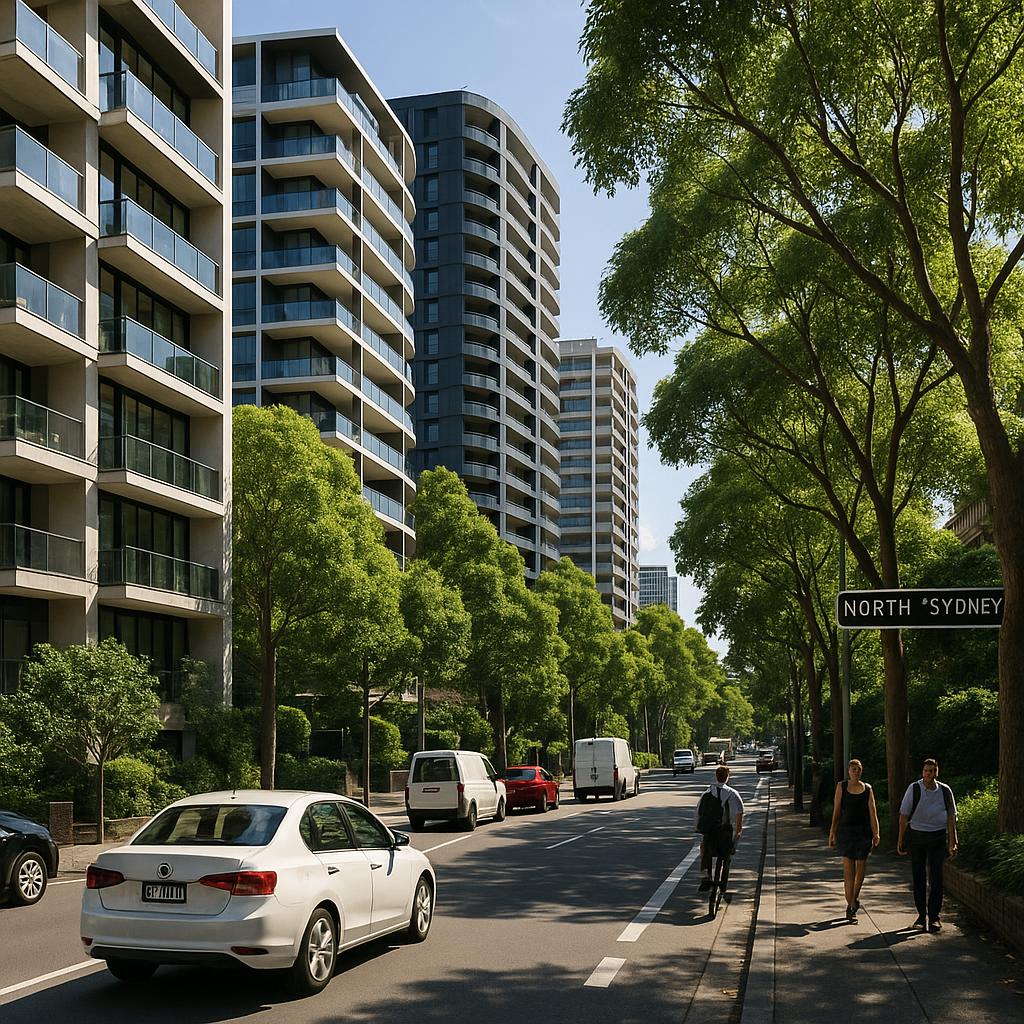
North Sydney NSW suits buyers and investors who want a blue-chip lower North Shore location with strong transport access, a professional tenant base, and low-maintenance urban living. It is usually most compelling for apartment buyers rather than those chasing large blocks or quiet suburban streets. The biggest value drivers are building quality, strata health, and immediate access to rail, metro, buses, and employment hubs. If convenience and long-term tenant demand matter most, North Sydney deserves serious consideration.
Key Takeaways
- North Sydney is a location-led market where convenience, connectivity, and building quality matter more than land size.
- The suburb is best suited to apartment buyers, downsizers, and investors seeking steady tenant demand.
- Strata, defects, and floorplan efficiency can materially affect value, livability, and resale strength.
- Its appeal is strongest for buyers who prioritise commute efficiency and low-maintenance ownership.
- Comparing nearby suburbs helps separate true value from simply paying for the North Sydney address.
Pros & Cons
Pros
- Excellent access to Sydney CBD and lower North Shore employment hubs
- Strong appeal to professionals, downsizers, and tenant demand from commuting households
- Walkable urban convenience with a broad mix of services and transport options
Cons
- Limited affordability compared with many Sydney suburbs
- Apartment-heavy stock means strata costs and building quality matter a lot
- Busy roads, density, and noise can reduce comfort in some pockets
Market Overview
North Sydney is a tightly held lower North Shore suburb where the residential market is shaped by proximity to the CBD, major employment, and a strong apartment-focused housing mix. It is not a classic detached-house family suburb; instead, it functions as a convenience and connectivity market, with demand centred on quality units, boutique apartments, and selective prestige pockets nearby.
That matters because buyers should judge North Sydney as a “use case” suburb, not a generic postcode. If you want walkability, a shorter commute, and low-maintenance living, the suburb can make excellent sense. If you want large backyards or a quieter suburban feel, compare nearby suburbs before stretching for an address alone.
The market generally rewards well-managed buildings, practical floorplans, natural light, and positions that avoid the busiest roads or noisy commercial edges. In other words, the building can influence outcome as much as the suburb name.
Buyer Demand
Demand is typically led by professionals, downsizers, and investors who value transport, employment access, and convenience. Buyers often focus on apartments with good layouts, secure access, parking where available, and manageable strata, because these features affect both daily living and resale liquidity.
Competition tends to be selective rather than uniform. A well-presented apartment in a quality building can attract stronger interest than a similar-sized property in a dated or poorly run complex. That is why due diligence on the building and immediate street context is essential here.
Rental Market
North Sydney usually appeals to tenants who want an efficient commute and low-friction living. The strongest rental prospects are often practical apartments with good light, secure entry, sensible storage, and easy access to transport and services.
For investors, the key is not simply “can it lease?”, but “how easily and to whom?”. Properties that feel cramped, noisy, or awkward can underperform despite a good postcode. A well-located apartment with solid building management is often more resilient than a flashy-looking listing with hidden ownership costs.
Lifestyle, Transport & Schools
North Sydney offers a distinctly urban lifestyle: cafes, services, gyms, and everyday amenities are all part of the appeal. That makes it attractive to people who prefer convenience over space, especially households where time savings matter more than having a large yard.
Transport is one of the suburb’s core strengths. Rail, metro, bus, and road connections make it easy to reach the CBD and surrounding lower North Shore areas, which is a major driver of both buyer and tenant demand. For many residents, that connectivity justifies paying more for a smaller but better-located home.
School considerations tend to be more relevant for families comparing the suburb with nearby residential areas than for buyers focused on the core apartment market. If schooling is a priority, verify current catchments and enrolment rules directly, because boundaries and intake arrangements can influence which neighbouring suburbs are a better fit.
North Sydney Suburb Profile
Official 2021 Census snapshot for the ABS Suburbs and Localities geography.
Age profile
Housing tenure
Occupied private dwellings by tenure type.
Salary & income profile
Median total income reported in the Census.
*Annual figures are weekly median × 52 estimates, not separate ABS annual medians.
Education & qualifications
Highest educational attainment, people aged 15+.
Employment status
People aged 15+ who reported being in the labour force.
Industry of employment
Top responses among employed people aged 15 years and over.
Occupation profile
Broad occupation groups among employed residents, including managers.
Property Type Guide
- Apartments: The main housing type and the most relevant entry point for investors and owner-occupiers. Best for convenience, transport access, and lower maintenance.
- Older units: Often offer better proportions or character, but require extra scrutiny on building condition, strata history, and future maintenance.
- Modern apartments: Usually stronger for tenants and busy buyers, but premium pricing and levies can be higher.
- Boutique buildings: Can suit buyers wanting a quieter feel and fewer neighbours, provided the building is well maintained.
- Houses and prestige homes nearby: Less common in the immediate suburb core, so buyers needing land or family-scale living often widen the search.
Risks & Watch-Outs
- Strata complexity: Review levies, defect history, and meeting minutes so ownership costs do not surprise you later.
- Building quality: Older stock may need more maintenance, while newer stock can still carry defect risk.
- Noise and density: Busy roads, rail activity, and commercial traffic can affect liveability more than many buyers expect.
- Postcode overpaying: Do not assume every North Sydney apartment offers the same value; floorplan and building condition matter.
- Tenant fit: Some layouts lease easily but feel less comfortable in real life, which can affect renewals and resale.
Nearby Suburbs to Compare
- Sydney NSW Property Market Guide: Buyers & Investors
- Chatswood NSW Property Market Guide: Buyers & Investors
- Neutral Bay
- Crows Nest
- St Leonards
- Kirribilli
FAQ
Is North Sydney good for investors?
Yes, if you are targeting tenant demand, connectivity, and low-maintenance apartments. It is less about speculative land appreciation and more about resilient demand from professionals and commuters. Check strata, building quality, and layout before relying on the postcode.
Is North Sydney good for first-home buyers?
It can be, especially for buyers who prioritise location and commute savings over space. The main trade-off is cost versus convenience, so first-home buyers should compare apartment size, strata costs, and nearby suburbs before deciding.
What type of property is best in North Sydney?
The best fit is usually a well-located apartment in a well-managed building. Modern apartments suit busy owners and tenants, while older units can appeal if the layout is generous and the building has been maintained properly.
Is North Sydney family-friendly?
It can work for some families, but many will compare it with suburbs offering more space, quieter streets, and a stronger family-home mix. Families should assess school access, apartment size, storage, and noise before committing.
What should I check before buying an apartment here?
Focus on strata records, levies, defects, noise exposure, parking, lift access, storage, and building maintenance. Also inspect the property at different times of day so you can judge traffic, outlook, and liveability properly.
Conclusion
North Sydney is a strong option for buyers and investors who value location, transport, and everyday convenience. It is best suited to apartment-led strategies, where building quality and strata health matter as much as the address. If you shortlist carefully and compare nearby suburbs, North Sydney can be a highly practical long-term choice.
Sources & How to Verify
- Check current comparable sales on Domain so you are not relying on outdated asking prices or headline impressions.
- Review live rental listings on realestate.com.au to test how quickly similar apartments are being marketed and what features appear most in demand.
- Use ABS if you want to confirm broad demographic and household trends before shaping an investor or owner-occupier strategy.
- Verify transport changes, station access, and service patterns on Transport for NSW, because route and timetable details can change.
- Check zoning and planning controls on the NSW Planning Portal before assuming surrounding sites will remain unchanged.
- Review local place-making, development, and community updates on the North Sydney Council website to understand precinct changes that may affect amenity.
- Confirm school intake areas through the NSW school finder rather than relying on informal maps or outdated third-party summaries.
- For apartment purchases, always read the strata report and building records so you can identify defects, special levies, and upcoming works before making an offer.