Quick Answer
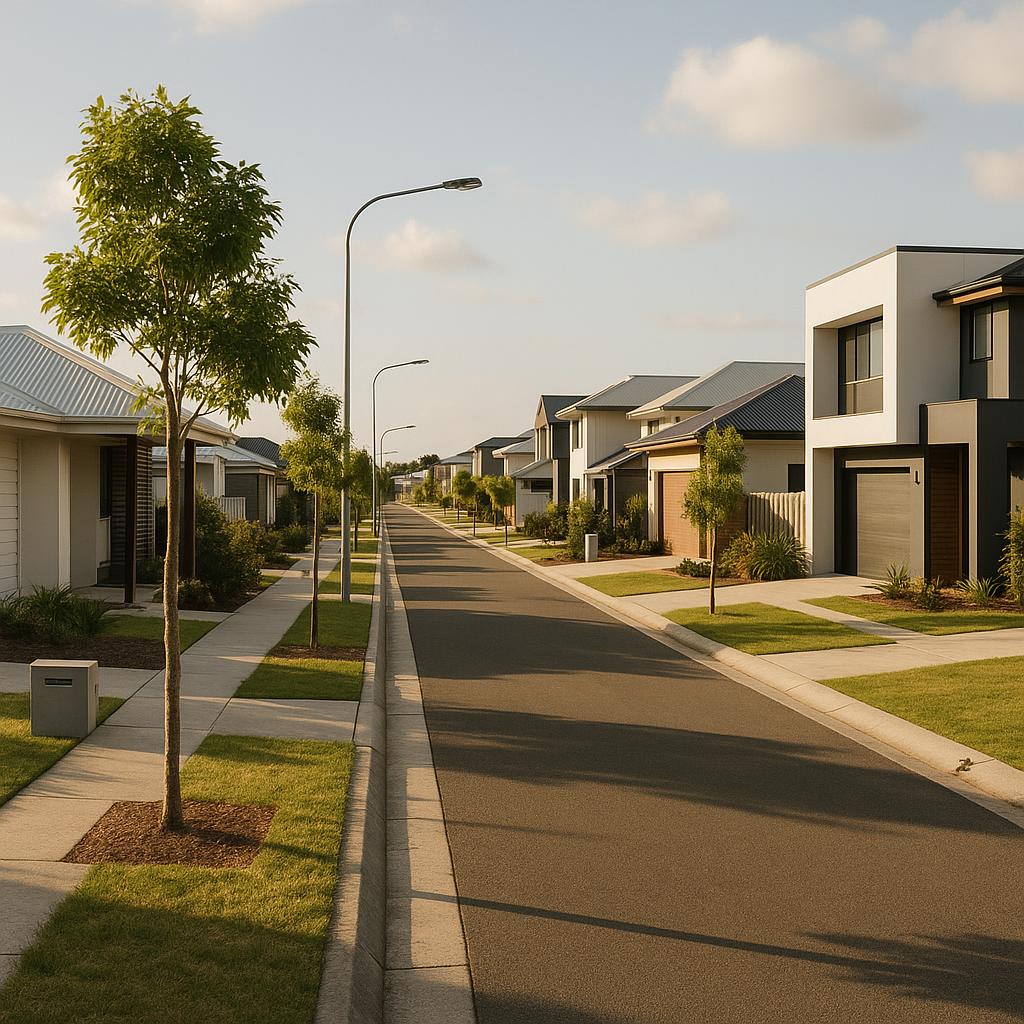
Baringa suits buyers who want a newer Sunshine Coast suburb with a master-planned feel, practical amenity, and broad appeal to families and tenants. It is usually most compelling for people prioritising low-maintenance homes, everyday convenience, and a growth-area story rather than established character. Investors should focus on property presentation, exact street position, and the balance between local demand and new-supply competition. Always verify current listings, rentals, and infrastructure status before relying on any market view.
Key Takeaways
- Baringa is strongest for buyers who want modern housing, functional layouts, and a community-oriented suburb with everyday convenience.
- Investor appeal comes from tenant demand for easy-care homes, especially where the property is close to schools, parks, and shops.
- The suburb’s growth-area profile means supply and surrounding development deserve as much attention as the home itself.
- Owner-occupiers often value the planned streetscapes and newer feel, while investors should test rental competition carefully.
- Baringa is best assessed by comparing its pocket, access routes, and amenity access against nearby Sunshine Coast alternatives.
Pros & Cons
Pros
- Modern homes and practical floor plans that suit low-maintenance living.
- Master-planned setting with strong family appeal and a cohesive streetscape.
- Broad interest from both owner-occupiers and long-term tenants.
Cons
- Ongoing development can mean construction activity and a changing local environment.
- New-supply competition may affect resale differentiation and rental pressure.
- Buyers seeking older charm, larger established blocks, or heritage character may prefer other suburbs.
Why this matters: Baringa’s strengths are real, but they depend on whether you want modern convenience and growth potential, or a more established suburb with deeper character and older housing stock.
Market Overview
Baringa sits within the Sunshine Coast’s newer residential growth story, where the market is shaped by planned estates, contemporary homes, and a family-focused streetscape. In practical terms, that means buyers are often comparing Baringa not with inner-coastal prestige suburbs, but with other growth-area locations where amenity, access, and house type drive value.
For homeowners, the suburb’s appeal is straightforward: newer housing, easier maintenance, and a setting that feels designed for day-to-day life. For investors, the key question is whether demand is driven by genuine long-term livability or by the novelty of a newer estate. That distinction matters because it affects vacancy risk, resale depth, and how well the suburb absorbs future supply.
Baringa is most attractive when the property itself is well located within the estate, close to the amenities that make daily living simple. In a suburb like this, street position, walkability, and the practicality of the floor plan can matter as much as the broader suburb narrative.
Buyer Demand
Buyer demand in Baringa is typically strongest from first-home buyers, young families, downsizers wanting simplicity, and investors looking for easy-to-manage stock. These groups are usually drawn to the same core features: newer homes, functional spaces, and a suburb that feels organised rather than piecemeal.
Demand tends to favour homes that are move-in ready and easy to live in immediately. A well-presented property near daily amenity is likely to attract more attention than one with awkward layout choices, poor orientation, or limited outdoor usability. For buyers, that means the home’s livability can influence competition just as much as the suburb name.
Rental Market
From an investor’s perspective, Baringa has the profile of a suburb that can appeal to tenants who want modern accommodation and a family-friendly setting. Typical tenant interest often comes from households relocating for work, families wanting access to schools and parks, and tenants who value low-maintenance living over character features.
That does not automatically mean every property will lease equally well. In newer suburbs, tenant competition can be strongest for homes that combine durable finishes, good storage, usable outdoor space, and convenient access to amenities. If multiple similar rentals are available nearby, presentation and pricing discipline become critical.
Lifestyle, Transport & Schools
Baringa’s lifestyle appeal is tied to its planned-community feel. It suits buyers who value parks, newer streetscapes, and a suburb that supports daily routines without the noise and density of a more urban environment. That makes it especially relevant to families and to buyers who want a calmer base with practical amenity.
Transport convenience is best assessed by the exact location of the property and the route you would actually drive each day. In growth suburbs, a five-minute difference to a key road corridor, retail centre, or school can materially change how convenient the home feels over time. Buyers should test peak-hour travel, not just off-peak access.
School access is a major decision factor for family buyers and a useful proxy for investor demand. Rather than relying on hearsay, check the current catchment and enrolment rules directly before buying. If family tenants are part of your target market, proximity to education options and childcare can support stronger occupancy and broader appeal.
Baringa Suburb Profile
Official 2021 Census snapshot for the ABS Suburbs and Localities geography.
Age profile
Housing tenure
Occupied private dwellings by tenure type.
Salary & income profile
Median total income reported in the Census.
*Annual figures are weekly median × 52 estimates, not separate ABS annual medians.
Education & qualifications
Highest educational attainment, people aged 15+.
Employment status
People aged 15+ who reported being in the labour force.
Industry of employment
Top responses among employed people aged 15 years and over.
Occupation profile
Broad occupation groups among employed residents, including managers.
Property Type Guide
- Detached modern homes: Often the core stock in Baringa, appealing to families and investors wanting broad buyer and tenant appeal.
- Smaller low-maintenance homes: Useful for first-home buyers, downsizers, and investors who want simpler upkeep and easier leasing.
- Larger family layouts: Better suited to owner-occupiers who value space, but they should be assessed for ongoing holding costs and resale depth.
- Newer builds versus established homes: Newer homes may reduce maintenance, while established homes can offer better value if the floor plan and position are strong.
Risks & Watch-Outs
- Growth-area suburbs can face new supply arriving in stages, which may affect pricing power and rental competition.
- Construction activity and changing streetscapes can influence liveability in the short term.
- Not every new home is equal; poor orientation, awkward layouts, or weak parking can reduce both resale and tenant appeal.
- Cosmetic upgrades may look impressive, but they do not always translate into stronger rent or capital outcomes.
- Buyers should verify what infrastructure is completed now versus still planned, rather than assuming future amenity is already in place.
Nearby Suburbs to Compare
- Caloundra
- Birtinya
- Sippy Downs
- Peregian Springs
- Mountain Creek
FAQ
Is Baringa a good suburb for first-home buyers?
Yes, if you value a newer home, manageable maintenance, and a suburb that feels organised and family-friendly. First-home buyers should still compare body corporate settings, land size, and access to transport and daily amenity before committing.
Is Baringa a good suburb for investors?
It can be, especially where the property offers broad tenant appeal, easy upkeep, and convenient access to schools or retail. Investors should check new-supply competition, comparable rentals, and how well the home stands out in its price bracket.
What types of homes are most common in Baringa?
The suburb is generally associated with modern detached homes and low-maintenance dwellings in newer estate settings. That makes layout, orientation, parking, and outdoor usability more important than traditional character features for many buyers.
How does Baringa compare with nearby suburbs?
Baringa is more of a planned growth-area suburb than an established coastal pocket. Compared with nearby alternatives, the main trade-off is usually newer stock and convenience versus different lifestyle character, larger blocks, or more mature amenity.
What should buyers check before purchasing in Baringa?
Check the exact street, current traffic patterns, local amenity access, school catchment details, and whether surrounding development may affect the property. Also review recent sales and current listings to understand how similar homes are being priced.
Conclusion
Baringa is a credible choice for buyers who want a modern Sunshine Coast suburb with family appeal, practical housing, and a clear growth-community identity. It is especially relevant if you value low-maintenance living and functional amenity over heritage character. The best results come from checking the exact property, the surrounding supply pipeline, and the real-world convenience of the location.
Sources & How to Verify
- Check current listings on Domain to see what is actually available in Baringa and how the property type mix is shifting.
- Review recent sales on realestate.com.au so you can compare asking prices with evidence from nearby sold properties.
- Use the ABS to understand suburb and regional demographic context without relying on outdated assumptions about household profiles.
- Check planning and infrastructure information through the Sunshine Coast Council website to confirm what is approved, active, or still being progressed.
- Verify school zones and enrolment information directly with the Queensland Government education site before assuming a property sits in a preferred catchment.
- Look up transport routes and service changes on the Translink website if public transport access is part of your buying or tenancy strategy.
- Cross-check land use, approvals, and development controls with Queensland Planning so you understand nearby development risk and future supply potential.
- Always verify rental evidence with active listings and recent leased examples, because rent estimates can change quickly in growth suburbs with competing new stock.