Quick Answer
Nambour is a practical Sunshine Coast hinterland suburb for buyers who want a more affordable entry point than many coastal locations, with everyday convenience, transport access, and a mix of older homes, renovated dwellings, units, and infill stock. It can suit investors and homeowners who value function over prestige, but the right purchase depends heavily on micro-location, land form, and property condition. For many buyers, the main question is not whether Nambour is “good” in general, but which pocket and property type best match their goals.
Key Takeaways
- Nambour works best for buyers who prioritise practicality, services, and relative value rather than a polished beachside lifestyle.
- The suburb has varied housing stock, so street-by-street assessment matters more than relying on the suburb name alone.
- Renovation potential can be a major draw, but older homes may bring higher maintenance and compliance costs.
- Investors should focus on tenant fit, access, and low-maintenance features that support long-term holding.
- Due diligence on drainage, slope, and site usability is essential before treating any Nambour property as “good value.”
Pros & Cons
Pros
- perty quality and streetscape can vary sharply between pockets.
Market Overview
Nambour sits within the Sunshine Coast hinterland as an established service centre, which gives it a different market profile from the nearby coastal strip. It is not a resort-style suburb; its appeal comes from practicality, access to daily needs, and a wider range of price points and property types.
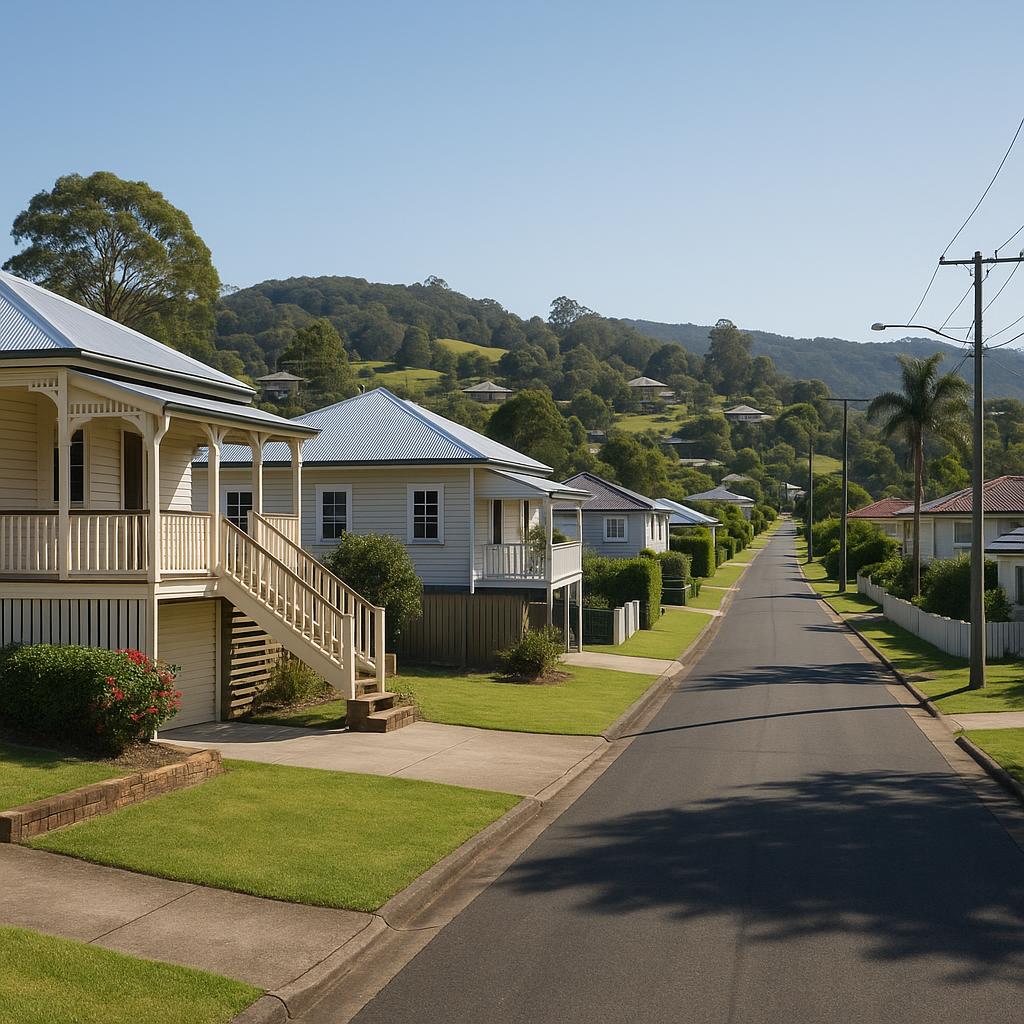
The suburb commonly includes older Queenslanders, post-war homes, renovated dwellings, townhouses, and some newer infill. That mix matters because value in Nambour often comes from matching the right dwelling to the right street and the right buyer segment, rather than assuming the whole suburb behaves the same way.
For buyers, the key market question is usability: is the block easy to live on, easy to maintain, and attractive to the next buyer or tenant? For investors, the same property can perform very differently depending on access, upkeep requirements, and how broadly it appeals to tenants.
Buyer Demand
Demand in Nambour is usually driven by buyers who want a balance of convenience and relative affordability. That includes first-home buyers, families wanting practical access to services, renovators seeking character homes, and downsizers who prefer everyday amenity over premium coastal pricing.
Demand is strongest where the property feels easy to own: a usable block, sensible parking, tidy presentation, and a layout that suits modern living. In contrast, homes with hidden maintenance issues, awkward access, or poor site drainage tend to narrow the buyer pool, even if the asking price looks attractive.
Rental Market
Nambour typically suits tenants who want a functional home close to services, transport connections, and work access across the broader Sunshine Coast. That can create steady interest from workers, families, and long-term renters who value convenience over a premium lifestyle location.
For investors, the best rental outcomes usually come from low-maintenance properties with practical floor plans, off-street parking, and manageable yards. Older homes can still rent well, but only if the holding costs, repair risk, and presentation are priced realistically from the outset.
Lifestyle, Transport & Schools
Lifestyle in Nambour is practical and everyday-focused. Buyers who want cafes, health services, retail, and community facilities nearby often find it more useful than chasing a purely coastal address, especially if their routine is shaped by work, school drop-off, or commuting.
Transport access is a major part of the suburb’s appeal. Good road connections and public transport options can widen both tenant demand and buyer interest, particularly for households that value reliability and access more than beachfront prestige.
Schools are another reason families consider the area, but the decision is usually about daily convenience rather than rankings alone. For owner-occupiers and investors, proximity to schooling, medical services, and routine shopping can be more valuable than a headline lifestyle claim.
Nambour Suburb Profile
Official 2021 Census snapshot for the ABS Suburbs and Localities geography.
Age profile
Housing tenure
Occupied private dwellings by tenure type.
Salary & income profile
Median total income reported in the Census.
*Annual figures are weekly median × 52 estimates, not separate ABS annual medians.
Education & qualifications
Highest educational attainment, people aged 15+.
Employment status
People aged 15+ who reported being in the labour force.
Industry of employment
Top responses among employed people aged 15 years and over.
Occupation profile
Broad occupation groups among employed residents, including managers.
Property Type Guide
- Older Queenslanders and character homes: Attractive for charm and renovation upside, but check maintenance, insulation, and compliance carefully.
- Post-war and original houses: Often offer functional layouts and value-add potential if the site is sound and repair costs are understood.
- Units and townhouses: Lower-maintenance options that can suit investors or downsizers, though they usually offer less land upside.
- Renovated homes: Good for buyers wanting move-in readiness, but inspect the quality of work rather than relying on cosmetic presentation.
- Blocks and site conditions: Flatter, accessible sites are generally easier to use and insure, while steeper sites may raise long-term ownership costs.
Risks & Watch-Outs
- Check flood and drainage exposure by street and lot, because water-related risk can affect insurance, livability, and resale.
- Inspect for slope, parking, and access issues, especially on hillside or older streets where land form can drive real ownership costs.
- Budget for older-home repairs such as roofing, wiring, plumbing, stumps, ventilation, and moisture-related issues.
- Do not assume all parts of the suburb have the same buyer demand, because micro-location can matter more than the suburb label.
- For investors, avoid narrow-appeal properties that may be cheap to buy but harder to rent or resell later.
Nearby Suburbs to Compare
- Buderim
- Woombye
- Maroochydore
- Bli Bli
- Burnside
FAQ
Is Nambour a good suburb for first-home buyers?
It can be, especially for buyers who want a more accessible entry into the Sunshine Coast market. The key is to buy a property with manageable maintenance, sensible access, and a location that feels easy to live with day to day.
Is Nambour good for investors?
Yes, if you buy with tenant demand and holding costs in mind. Investors should prefer practical, low-maintenance properties with broad appeal, rather than chasing the cheapest house without checking the repair burden, drainage, or access issues.
What type of property is best in Nambour?
That depends on your goal. Owner-occupiers may like renovated character homes or well-kept houses near services, while investors often favour easy-to-let dwellings with fewer ongoing surprises. Site quality is just as important as the building itself.
Are flood or slope issues a concern in Nambour?
They can be on some streets and blocks, which is why site-specific due diligence matters. Check flood mapping, drainage, topography, and insurance implications before relying on a general view of the suburb.
How does Nambour compare with nearby Sunshine Coast suburbs?
It usually offers more practicality and relative value than premium coastal areas, but less lifestyle polish. That trade-off suits buyers who prioritise convenience, affordability, and usability over a purely beach-oriented setting.
Conclusion
Nambour can be a smart purchase for buyers who understand its micro-markets and buy with discipline. The strongest opportunities usually combine a sensible block, a functional dwelling, and a location that suits owner-occupiers or tenants. If you inspect carefully and compare nearby suburbs properly, Nambour can offer real value without forcing you to compromise on daily convenience.
Sources & How to Verify
- Check current listings on Domain to verify asking prices, property types, and how quickly similar homes are being marketed.
- Review live rental evidence on realestate.com.au Rentals to see what tenants are actually being offered in the suburb now.
- Use the Queensland flood mapping resources to check whether a specific street or lot has flood-related exposure.
- Confirm planning and zoning details through Sunshine Coast Council, especially if you are considering extensions, demolitions, or development potential.
- Verify school catchments and enrolment details with the Queensland school finder rather than relying on hearsay or old forum comments.
- Compare recent sales evidence from local agents and public portals, because suburb-wide averages can hide major differences in land quality, renovation level, and access.
- Obtain a building and pest inspection for older homes so you can price in repair risk before making an offer or setting a rental budget.
- Ask an insurer about site-specific premiums if the block has slope, drainage, or water-adjacent characteristics, because insurance cost can change the real affordability of a purchase.