Quick Answer
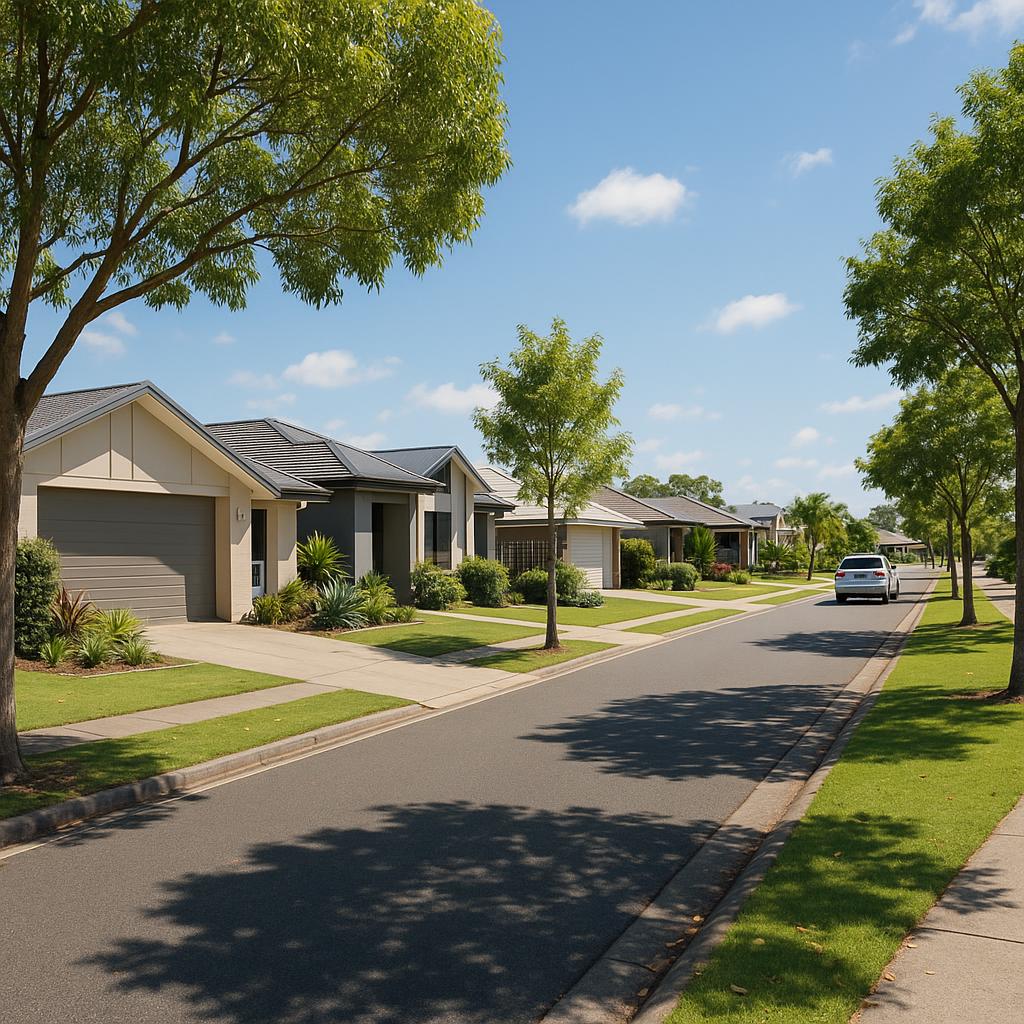
Sippy Downs is a university-adjacent, family-friendly Sunshine Coast suburb with steady appeal for both owner-occupiers and investors. It suits buyers who want practical everyday convenience rather than a prestige beachside address, and it tends to reward properties with strong layout, low-maintenance appeal, and access to schools, parks, and commuter routes. The main watch-outs are stock quality differences, strata or building issues, and making sure the property matches the likely end user.
Key Takeaways
- Sippy Downs attracts a mix of students, families, professionals, and investors, which helps support demand across different market conditions.
- The suburb’s value is driven more by practical livability than prestige, so location, layout, and presentation matter more than hype.
- Houses generally suit long-term owner-occupiers, while townhouses and units can work well for lower-maintenance investment strategies.
- Demand is closely tied to education, schools, transport convenience, and nearby employment and service hubs.
- Buyers should compare individual streets, building quality, and strata terms rather than relying on suburb-wide assumptions.
Pros & Cons
Pros
- perty choices that suit different budgets and strategies, from detached homes to low-maintenance dwellings.
Market Overview
Sippy Downs is a planned, education-oriented Sunshine Coast suburb with a practical, family-plus-student character. It is not a flashy lifestyle market; its strength is that it solves everyday needs well, which is exactly why it keeps attracting owner-occupiers and renters who want convenience, order, and access to key services.
That mix matters because suburbs with multiple demand streams usually hold up better than places relying on one narrow buyer group. In Sippy Downs, the market is shaped by the university precinct, schools, local services, and access to broader Sunshine Coast employment hubs. Buyers should expect the best results from homes that are easy to live in, easy to lease, and easy to resell.
For investors, the core question is less “Is the suburb popular?” and more “Which property type and pocket best match current tenant demand?” For homeowners, the question is whether the property supports daily routines without friction. In both cases, micro-location, layout, and condition can matter more than a general suburb label.
Buyer Demand
Buyer demand in Sippy Downs typically comes from first-home buyers, families, investors, and downsizers. The suburb appeals to people who want a functional base close to education, parks, and community infrastructure rather than a purely discretionary lifestyle purchase.
The strongest buyers usually prioritise practical features: parking, storage, low-maintenance outdoor space, and easy access to schools or commuter routes. That means a good house or townhouse in the right pocket can attract multiple buyer types, while a poorly configured property may struggle even in a desirable suburb.
Rental Market
Rental demand is supported by the university-adjacent setting, nearby services, and the suburb’s suitability for households that want convenience without beachside pricing. Tenants may include students, staff, young families, and professionals who value routine access over lifestyle flash.
For investors, the best rental outcomes usually come from properties that are durable, well-presented, and flexible enough to appeal to more than one tenant profile. A smart rental strategy here is to focus on broad liveability, not just headline rent potential.
Lifestyle, Transport & Schools
Sippy Downs has a lifestyle profile built around convenience, education, and routine living. That makes it attractive to households that want parks, community facilities, and a calmer suburban environment without sacrificing access to essential services. The suburb’s appeal is strongest for people who measure lifestyle in saved time and lower daily friction.
Transport access is important because commute convenience influences both owner-occupier demand and rental demand. Buyers should assess road connections, peak-hour patterns, and how easily the property connects to nearby centres. In a practical suburb like this, the weekly school run, work commute, and service access can matter more than scenic credentials.
Schools and broader education infrastructure are a major part of the suburb’s appeal. Families often pay attention to school proximity, and that can support longer-term demand for well-located homes. For verification, always check current catchment boundaries and official school information rather than assuming suburb-wide access.
Sippy Downs Suburb Profile
Official 2021 Census snapshot for the ABS Suburbs and Localities geography.
Age profile
Housing tenure
Occupied private dwellings by tenure type.
Salary & income profile
Median total income reported in the Census.
*Annual figures are weekly median × 52 estimates, not separate ABS annual medians.
Education & qualifications
Highest educational attainment, people aged 15+.
Employment status
People aged 15+ who reported being in the labour force.
Industry of employment
Top responses among employed people aged 15 years and over.
Occupation profile
Broad occupation groups among employed residents, including managers.
Property Type Guide
- Houses: Best for families and long-term owners who value yard space, flexibility, and broader end-user appeal.
- Townhouses: Often suit investors and downsizers seeking lower maintenance, but strata costs and by-laws must be checked.
- Units/apartments: Can provide an entry point or rental play, though resale and tenant appeal depend heavily on building quality.
- Renovation candidates: Worth considering if the location is strong and the improvements are practical rather than cosmetic-only.
Risks & Watch-Outs
- Do not assume every property in the suburb will perform the same; street position, layout, and presentation can change outcomes materially.
- Check strata documents carefully for townhouses and units, because levies, by-laws, and maintenance obligations can affect returns.
- Review flood, drainage, and other site-specific risks using current mapping and disclosure documents before making an offer.
- Avoid overestimating student demand if the property is poorly configured for the broader rental market.
- Inspect for traffic noise, access bottlenecks, and general wear that can reduce liveability and long-term resale appeal.
Nearby Suburbs to Compare
- Buderim
- Maroochydore
- Caloundra
- Birtinya
- Mountain Creek
- Palmview
FAQ
Is Sippy Downs a good suburb for first-home buyers?
Sippy Downs can be a strong option for first-home buyers who want liveability and practical convenience over prestige. The key is to buy a property that suits your daily routine, not just one that looks good on paper. Focus on layout, maintenance, and access to services.
Is Sippy Downs better for investors or owner-occupiers?
It can work for both, but for different reasons. Owner-occupiers often value the suburb’s convenience and family-friendly feel, while investors are drawn to rental depth linked to education and everyday demand. The best result usually comes from matching the right property type to the strategy.
What property types are most versatile in Sippy Downs?
Versatility usually comes from properties with broad appeal: well-kept houses, functional townhouses, and units in quality buildings. The more your property can appeal to families, professionals, and long-term renters, the easier it is to hold through changing market conditions.
What should I check before buying in Sippy Downs?
Check recent comparable sales, the likely buyer or tenant pool, strata details if relevant, flood and drainage considerations, and the practical convenience of the street and surrounding area. It is also worth confirming school catchments and inspecting at different times of day.
How does Sippy Downs compare with nearby suburbs?
Compared with nearby areas, Sippy Downs is typically more about functionality and education-led demand than beachside lifestyle or prestige appeal. The best comparison depends on your goal: family convenience, investment simplicity, or long-term owner-occupier comfort.
Conclusion
Sippy Downs stands out as a practical Sunshine Coast suburb with demand supported by education, family living, and everyday convenience. It is not a one-size-fits-all market, so the best outcomes come from choosing the right property type, in the right pocket, for the right end user. Verify the details, compare alternatives, and buy on evidence.
Sources & How to Verify
- Check current sold prices and active listings on Domain to confirm whether a property is priced in line with recent local comparables.
- Review rental listings on realestate.com.au to see what tenant demand looks like right now and how your target property compares.
- Use ABS data to verify household structure, dwelling mix, and broader demographic context before relying on suburb assumptions.
- Check planning, zoning, and development information through Sunshine Coast Council so you understand nearby activity that may affect amenity or future supply.
- Confirm school details and current enrolment or catchment information with Queensland Government Find a School rather than relying on outdated word-of-mouth.
- Review flood and local mapping overlays via council mapping tools and disclosure documents to identify site-specific risks before you make an offer.
- Speak with local property managers about tenant profiles, lease demand, and common maintenance issues so your rental assumptions are grounded in current practice.