Quick Answer
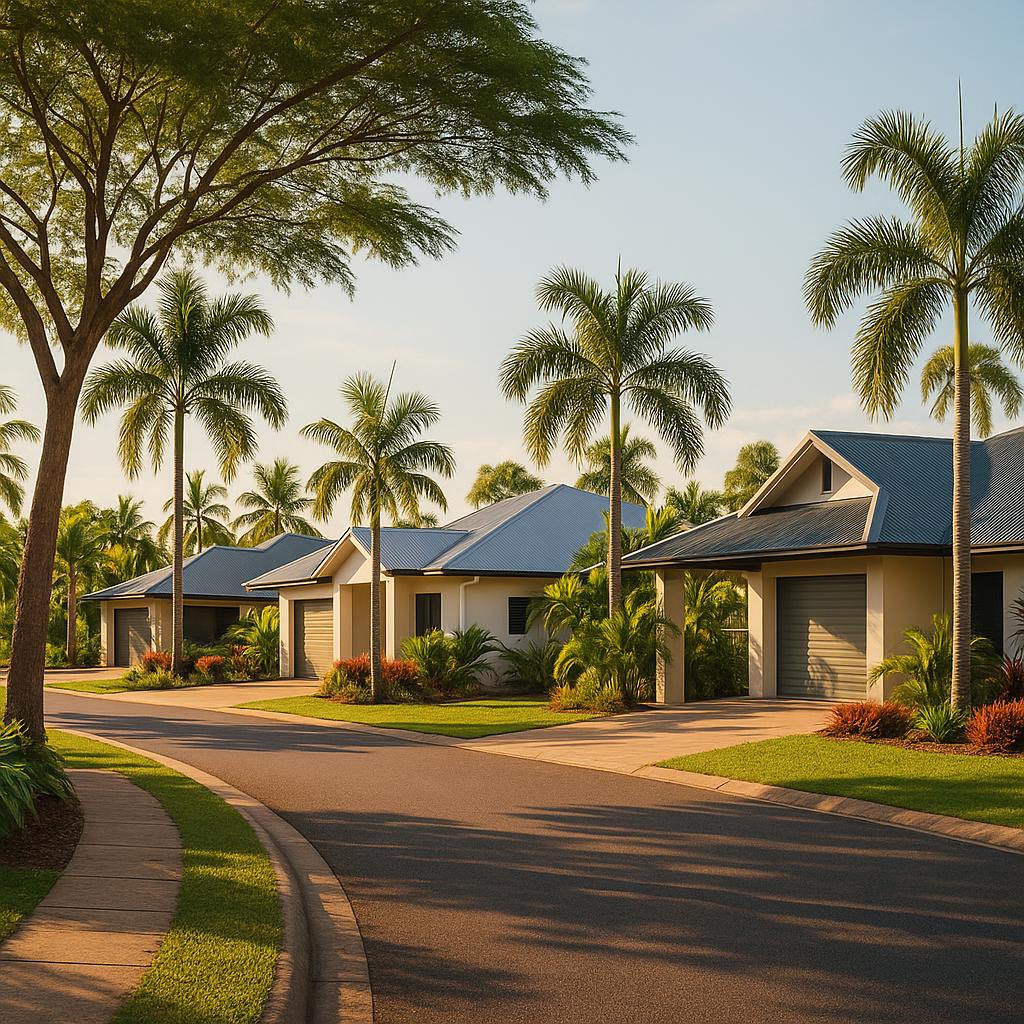
Palmerston NT is best viewed as a practical suburban market within the greater Darwin area, with appeal for families, first-home buyers, and investors who value convenience over prestige. It is generally a “compare the pocket, not just the postcode” suburb: street quality, housing age, and maintenance standard matter more than the suburb name alone. If you want modern-ish housing, access to services, and a broadly usable rental profile, Palmerston deserves a close look.
Key Takeaways
- Palmerston suits buyers who want a suburban lifestyle with everyday services, functional housing, and relatively straightforward liveability.
- Investor interest often centres on practical homes that are easy to maintain, easy to lease, and suitable for a wide tenant pool.
- Micro-location matters: nearby roads, estate presentation, and house condition can influence demand more than the suburb label.
- Families and owner-occupiers often prioritise yard usability, parking, shaded outdoor space, and access to schools and shops.
- Before buying, verify zoning, insurance, drainage, strata terms if relevant, and current market evidence from live listings and local agents.
Pros & Cons
Pros
- Broad appeal for owner-occupiers seeking practical suburban living.
- Often easier to manage than more complex or character-heavy housing markets.
- Can suit investors wanting durable, low-fuss stock with wide rental appeal.
Cons
- Performance can vary noticeably between streets, estates, and property types.
- Climate exposure can lift maintenance and insurance considerations over time.
- Some buyers may prefer Darwin’s city feel or a different suburban character.
Market Overview
Palmerston functions as a major suburban centre in the Darwin region rather than a standalone lifestyle enclave. That matters for buyers because the local market is driven by everyday practicality: access to shops, schools, services, roads, and employment rather than prestige cues. In simple terms, it is a suburb where liveability and resale logic often matter more than status.
The property mix is important. Palmerston includes pockets with different housing ages, presentation standards, and buyer expectations, so two similar homes can attract very different interest depending on street appeal and maintenance history. For investors and homeowners, that means the best decisions are usually made at the pocket level, not by relying on suburb-wide assumptions.
Market conditions in the wider Darwin area can also shape Palmerston’s momentum. Employment confidence, defence-related demand, and household mobility can affect both owner-occupier and rental activity. Use current local sales evidence, not old anecdotes, to judge whether the market currently favours buyers, sellers, or a balanced negotiation environment.
Buyer Demand
Palmerston attracts a mixed buyer base: first-home buyers, young families, downsizers wanting simpler living, and investors seeking broad tenant demand. That mix generally supports steady interest in functional homes with sensible layouts, good parking, and manageable upkeep. Well-presented properties usually outperform rougher stock because buyers can picture moving in with minimal fuss.
Demand is strongest where the home feels easy to live in, easy to maintain, and easy to resell. Buyers often compare similar homes by yard use, shade, storage, privacy, and road exposure rather than by aesthetic features alone. If a property is on a busier road or needs obvious repairs, it usually needs to be priced or presented accordingly.
Rental Market
For investors, Palmerston is typically appealing because it offers practical homes that suit a wide tenant pool. In the Darwin climate, tenants often value air conditioning, shaded outdoor areas, secure parking, and low-maintenance finishes more than decorative upgrades. A simple, durable home can outperform a flashier one if it is easier to live in and cheaper to maintain.
When assessing rental potential, check real listings and speak with local property managers about what is leasing quickly right now. Focus on tenant turnover risk, ongoing wear-and-tear, and whether the home will photograph well online. If you are buying a townhouse or unit, factor in strata costs, shared maintenance, and rules that may affect tenant appeal or your net return.
Lifestyle, Transport & Schools
Palmerston offers a suburban lifestyle built around convenience. That usually suits households wanting everyday services close by, without the intensity of inner-city living. Parks, retail, community facilities, and family-oriented amenities support day-to-day routine, which is one reason the suburb remains relevant to both owner-occupiers and tenants.
Transport is largely road-based, so practical access matters. Buyers should test travel times during the commute window they actually use, not just trust map estimates. In the Top End, time, shade, and parking can be just as important as distance. A home that looks centrally located on paper may feel quite different in peak traffic.
School access is a key factor for many Palmerston buyers. Rather than relying on reputation alone, verify zoning, enrolment rules, and the actual trip from home to school. For families, the right school run can materially improve day-to-day life and also support resale demand when it is time to move.
Palmerston City Suburb Profile
Official 2021 Census snapshot for the ABS Suburbs and Localities geography.
Age profile
Housing tenure
Occupied private dwellings by tenure type.
Salary & income profile
Median total income reported in the Census.
*Annual figures are weekly median × 52 estimates, not separate ABS annual medians.
Education & qualifications
Highest educational attainment, people aged 15+.
Employment status
People aged 15+ who reported being in the labour force.
Industry of employment
Top responses among employed people aged 15 years and over.
Occupation profile
Broad occupation groups among employed residents, including managers.
Property Type Guide
- Houses: Usually the strongest fit for families and long-term owners; they tend to offer broader resale appeal, parking, and yard use.
- Townhouses: Can suit buyers wanting lower-maintenance living; check strata costs, shared responsibilities, and tenant appeal before proceeding.
- Units/apartments: Best for buyers prioritising compact living or simpler investment management; assess fees, rules, and on-site demand carefully.
- Newer builds: Often reduce immediate repair risk, but still need a quality check on workmanship, ventilation, and materials.
- Established homes: May offer value if well kept, but hidden maintenance and climate wear need closer inspection.
As a rule, the right property type depends on your exit strategy. Families usually want space and practicality, while investors often prefer low-maintenance stock with broad tenant appeal. In Palmerston, function often beats flair.
Risks & Watch-Outs
- Do not assume every Palmerston pocket has the same demand profile; streets, estates, and access can change buyer response.
- Climate-related wear, ventilation issues, and maintenance backlogs can become expensive if they are ignored before purchase.
- If you are buying attached housing, read strata documents carefully because fees and restrictions can materially affect returns.
- Busy roads, poor presentation, or weak outdoor usability can reduce both tenant interest and resale flexibility.
- Always verify flood/drainage, insurance, and building inspection findings before finalising a decision.
Nearby Suburbs to Compare
- Darwin NT Property Market Guide: Buyers & Investors
- Wanguri
- Moulden
- Rosebery
- Bellamack
- Driver
Comparing Palmerston with nearby suburbs helps you separate genuine value from simple convenience. Focus on commute patterns, housing age, yard size, maintenance burden, and how each area feels at different times of day.
FAQ
Is Palmerston NT a good suburb for first-home buyers?
Often yes, if you want practical suburban living, access to services, and a home type that is easy to maintain. The key is choosing the right pocket and property condition rather than buying purely on suburb name.
Is Palmerston NT a good area for investors?
It can be, especially for investors seeking broad tenant demand and straightforward management. The strongest results usually come from durable homes with sensible layouts, good presentation, and manageable ongoing costs.
What property type tends to work best in Palmerston?
For many buyers, houses are the most versatile because they attract families and owner-occupiers. Townhouses and units can work too, but you should check strata obligations, fees, and tenant preferences before you commit.
What should I check before buying in Palmerston?
Inspect the home carefully, verify zoning and school access, assess traffic exposure, review drainage and insurance considerations, and compare the property with live local listings. A strong-looking home can still have hidden holding costs.
How does Palmerston compare with nearby Darwin suburbs?
Palmerston often offers a more practical, suburban feel than inner Darwin, with a stronger focus on family convenience and functional housing. Nearby suburbs may offer different commute patterns, street character, or housing stock.
Conclusion
Palmerston NT is best approached as a practical, lifestyle-driven suburban market where property type, condition, and pocket selection matter more than the broad suburb label. For buyers and investors, the best result usually comes from balancing liveability, maintenance, and resale demand rather than chasing a headline story.
Sources & How to Verify
- Check current sold and rental listings on Domain so you are working from live market evidence rather than outdated estimates.
- Review comparable sales and asking prices on realestate.com.au to confirm how different property types and streets are performing right now.
- Use the Northern Territory Government website to check planning, housing, and other official information that may affect future demand or use.
- Verify zoning, development controls, and any planning changes through NT Planning before making assumptions about land use or redevelopment potential.
- Confirm school catchments and enrolment rules via the NT Department of Education rather than relying on informal advice or reputation.
- Check suburb-level demographic context on ABS and use it only as background, not as a substitute for current sales and rental data.
- Ask a local property manager for vacancy trends, tenant preferences, and maintenance issues so you can test whether a home is genuinely easy to lease.
- Inspect the property at different times of day and review building, pest, drainage, and insurance implications before treating any listing as a finished decision.