Quick Answer
Darwin can suit buyers who want a tropical lifestyle and investors who understand small-market behaviour, climate-related upkeep, and tenant demand linked to government, defence, health, and services. It is not a one-size-fits-all market: suburb choice and property type matter more here than broad city averages. If you are comparing Darwin, focus on access, maintenance resilience, and the likely next buyer or tenant rather than chasing a headline story.
Key Takeaways
- Darwin’s market is highly location-sensitive, so suburb and property type analysis matters more than city-wide assumptions.
- Climate, humidity, and storm exposure can materially affect maintenance, insurance, and long-term ownership costs.
- Employment hubs and service-sector demand often shape who buys and who rents in different pockets of the city.
- Low-maintenance homes and well-located units can appeal to investors, downsizers, and relocators alike.
- Always verify current listings, recent sales, and rental evidence before relying on any general market commentary.
Pros & Cons
Pros
- Tropical lifestyle with strong outdoor-living appeal.
- Compact city geography can make many suburbs practical for daily routines.
- Broad demand from public-sector, defence, health, and service workers.
Cons
- Weather exposure can increase upkeep and inspection complexity.
- Market performance can vary sharply between neighbouring suburbs.
- Insurance, drainage, and build quality deserve more scrutiny than in milder climates.
Market Overview
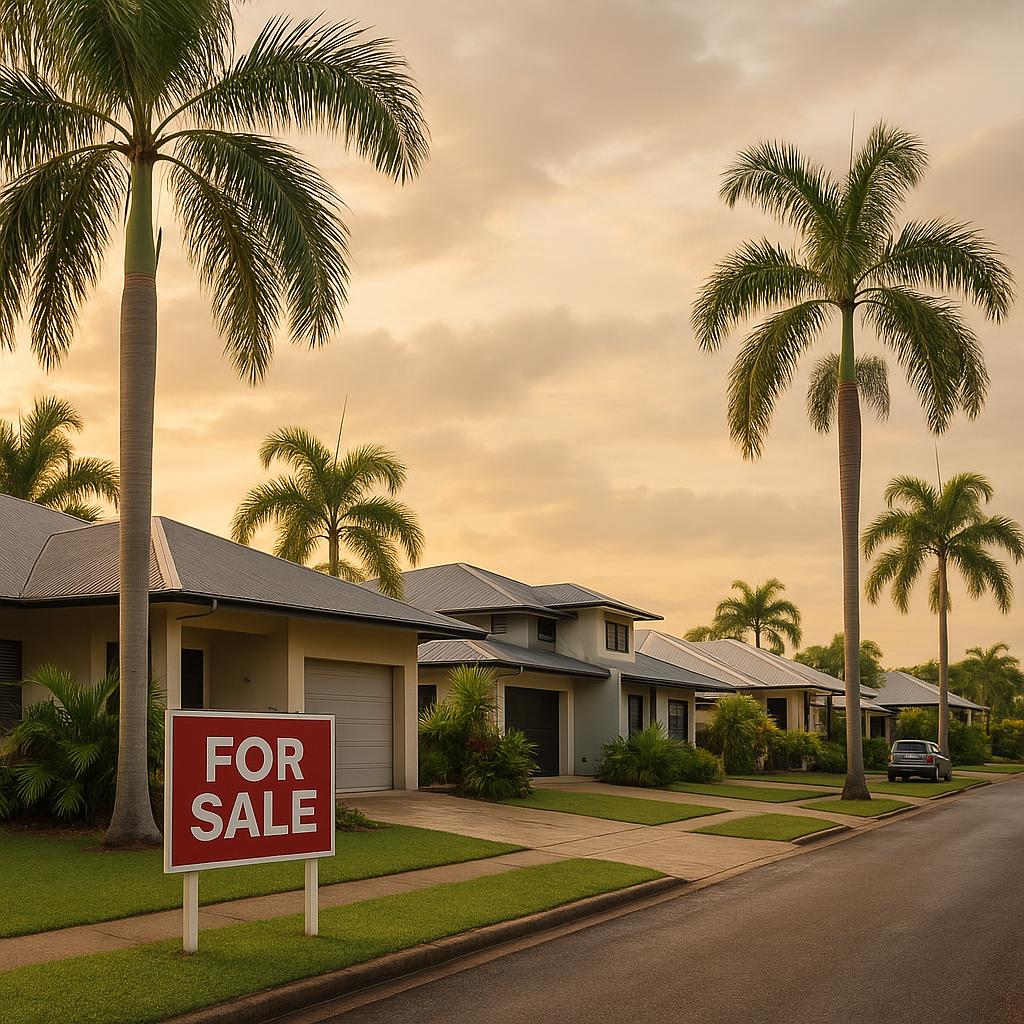
Darwin is best understood as a series of small sub-markets rather than one uniform capital city market. Inner-city areas tend to attract buyers and renters who value convenience, while middle-ring family suburbs often appeal to households wanting more space and practical amenity. Coastal and lifestyle-led pockets usually suit buyers prioritising atmosphere, access to the water, and a more relaxed feel.
For investors and owner-occupiers, the key question is not simply “Is Darwin good?” but “Which Darwin pocket suits my holding strategy?” A property that works in one suburb may underperform in another if the buyer pool, tenant pool, or maintenance profile is mismatched. In Darwin, the real edge comes from matching housing type, location, and upkeep tolerance to your exit plan.
Darwin’s compact urban structure also changes how buyers think about distance. A suburb that looks far away on a map may still be workable if it offers easy parking, sensible access to key routes, and a daily routine that holds up through the wet season.
Buyer Demand
Buyer demand is usually driven by practical livability: commute simplicity, access to services, and how well the property handles Darwin’s climate. End-users often want homes that feel comfortable all year, with good airflow, shading, and outdoor areas that are actually usable rather than just decorative.
Demand can also split between “end-user” and “investor” appeal. A family may pay for space, yard usability, and school convenience, while an investor may prefer a lower-maintenance property with broad tenant appeal. A good Darwin purchase often has both: sensible location, durable finishes, and enough flexibility to suit more than one buyer profile later.
Rental Market
Darwin’s rental demand is shaped by workers tied to government, defence, health, trades, and support services, plus relocators who want a ready-to-live-in property. Tenants commonly value air flow, parking, easy access to amenities, and a layout that stays comfortable through humid conditions.
For investors, the rental story is not only about rent; it is about ease of leasing and retention. A home that looks good on paper but needs frequent climate-related maintenance can create churn. By contrast, a low-fuss property with practical outdoor space, sensible storage, and solid ventilation is often easier to hold and re-let.
Lifestyle, Transport & Schools
Darwin lifestyle appeal is strongly linked to outdoor living, foreshore access, community feel, and the ability to move through the city without a long commute. Buyers often want a suburb that supports weekday routines and weekend use, not just an attractive address.
Transport is largely road-based, so parking, access to main routes, and travel time at different hours matter more than rail-style commuting. That means a suburb’s practical convenience can be more important than its straight-line distance from the CBD.
Families usually compare school access alongside housing type, block size, and day-to-day logistics. Rather than chasing rankings, verify current catchments, enrolment rules, and travel times to the schools that matter to your household using official education sources.
Darwin City Suburb Profile
Official 2021 Census snapshot for the ABS Suburbs and Localities geography.
Age profile
Housing tenure
Occupied private dwellings by tenure type.
Salary & income profile
Median total income reported in the Census.
*Annual figures are weekly median × 52 estimates, not separate ABS annual medians.
Education & qualifications
Highest educational attainment, people aged 15+.
Employment status
People aged 15+ who reported being in the labour force.
Industry of employment
Top responses among employed people aged 15 years and over.
Occupation profile
Broad occupation groups among employed residents, including managers.
Property Type Guide
- Houses: Often suit families and long-term owners who want land, flexibility, and room to adapt the home over time.
- Townhouses: Can suit buyers wanting a middle ground between space and lower maintenance, especially close to key amenities.
- Units/apartments: Often appeal to investors, downsizers, and people prioritising convenience, simplicity, and lower upkeep.
- Newer builds: Can offer modern layouts and fewer immediate repair surprises, but still need climate-aware inspection.
- Established homes: May offer better land value or character, but check for age-related wear, airflow, and drainage issues.
Risks & Watch-Outs
- Climate-related wear can show up in roofing, external finishes, seals, drainage, and ventilation-dependent comfort.
- Insurance and maintenance costs may be more sensitive to location, build quality, and exposure than many buyers expect.
- Overpaying for lifestyle appeal alone can leave you with a property that is harder to hold or re-sell.
- Some micro-locations have narrower buyer or tenant pools, which can affect exit options.
- Always inspect during different times of day and review wet-season practicality, not just presentation.
Nearby Suburbs to Compare
- Parap
- Fannie Bay
- Nightcliff
- Casuarina
- Stuart Park
- Leanyer
FAQ
Is Darwin a good place to buy property as an owner-occupier?
It can be, if you value climate, lifestyle, and a compact city structure. The best fit is usually a suburb that makes your daily routine easier, not just one with a strong reputation. Verify commute times, services, and housing condition before deciding.
Is Darwin a good market for investors?
It can work well for investors who focus on tenant demand, maintenance resilience, and realistic holding costs. Darwin is more nuanced than many cities, so the property type and micro-location matter heavily. Check current rental evidence and recent leasing activity in the exact suburb.
What property types tend to suit Darwin’s climate best?
There is no single winner, but low-maintenance properties with good airflow, drainage, and durable finishes often perform better from an ownership perspective. Houses can suit families, while units and townhouses may reduce upkeep. Always inspect build quality carefully.
What should buyers inspect most carefully in Darwin?
Focus on roofing, gutters, drainage, sealing, airflow, shade, and any signs of moisture or weather exposure. These issues can affect comfort, repair costs, and insurance. A thorough building and pest inspection is especially important in tropical conditions.
How important are schools and transport in Darwin suburb selection?
Very important for many households, but the meaning differs from larger cities. Drive times, parking, and access to everyday services often matter more than rail-based commuting. For families, check current school catchments and the actual daily travel pattern.
Conclusion
Darwin can reward buyers who think carefully about lifestyle, upkeep, and tenant or resale demand. The best choice is usually not the most obvious one; it is the property that fits the suburb, the climate, and your long-term plan. Compare micro-locations, inspect thoroughly, and verify current market evidence before committing.
Sources & How to Verify
- Check current suburb listings and recent comparable sales on Domain to confirm stock quality, buyer competition, and asking-price patterns.
- Review live rental listings on realestate.com.au to see what property types are actually leasing in the suburb right now.
- Use ABS data to understand broad household, employment, and dwelling context without relying on anecdotal impressions.
- Confirm planning controls and zoning on the Northern Territory Government property pages before assuming a site can be altered or redeveloped.
- Check school boundaries and enrolment rules through the NT Department of Education rather than informal maps or general suburb descriptions.
- Look up current local amenity and service information on the City of Darwin website to verify infrastructure, local planning, and community facilities.
- Ask a local building inspector to assess ventilation, drainage, and weather exposure because these issues are often more material in Darwin than in temperate markets.